
Your Read is on the Way
Every Story Matters
Every Story Matters
The Hydropower Boom in Africa: A Green Energy Revolution Africa is tapping into its immense hydropower potential, ushering in an era of renewable energy. With monumental projects like Ethiopia’s Grand Ethiopian Renaissance Dam (GERD) and the Inga Dams in the Democratic Republic of Congo, the continent is gearing up to address its energy demands sustainably while driving economic growth.
Northern Kenya is a region rich in resources, cultural diversity, and strategic trade potential, yet it remains underutilized in the national development agenda.

Can AI Help cure HIV AIDS in 2025

Why Ruiru is Almost Dominating Thika in 2025

Mathare Exposed! Discover Mathare-Nairobi through an immersive ground and aerial Tour- HD

Bullet Bras Evolution || Where did Bullet Bras go to?
Traditional ice cream is the most widely recognized form of ice cream globally. It is made primarily from cream, whole milk, sugar, and flavorings such as vanilla, chocolate, or fruit extracts. By law in many countries, ice cream must contain at least 10% milk fat to be labeled as such. The high fat content gives it the signature creamy, rich mouthfeel.
During production, the ice cream mixture is churned while freezing to incorporate air, a process called overrun. This aeration lightens the texture and prevents large ice crystals from forming, resulting in a smooth and creamy final product. Traditional ice cream varies widely in fat content and quality, depending on the brand and recipe.
Gelato is Italy’s version of ice cream but differs significantly in texture and composition. It typically contains less milk fat, around 4-8%, and uses more milk than cream, making it leaner than traditional ice cream. The key to gelato’s unique texture is its slower churning process, which introduces less air (about 20-30% overrun compared to up to 50% in ice cream).
This results in a denser, silkier dessert with a richer flavor profile, since the lower fat allows the taste of the ingredients to shine through more vividly. Gelato is usually served at a slightly warmer temperature than ice cream, further enhancing its creamy texture and bold taste.
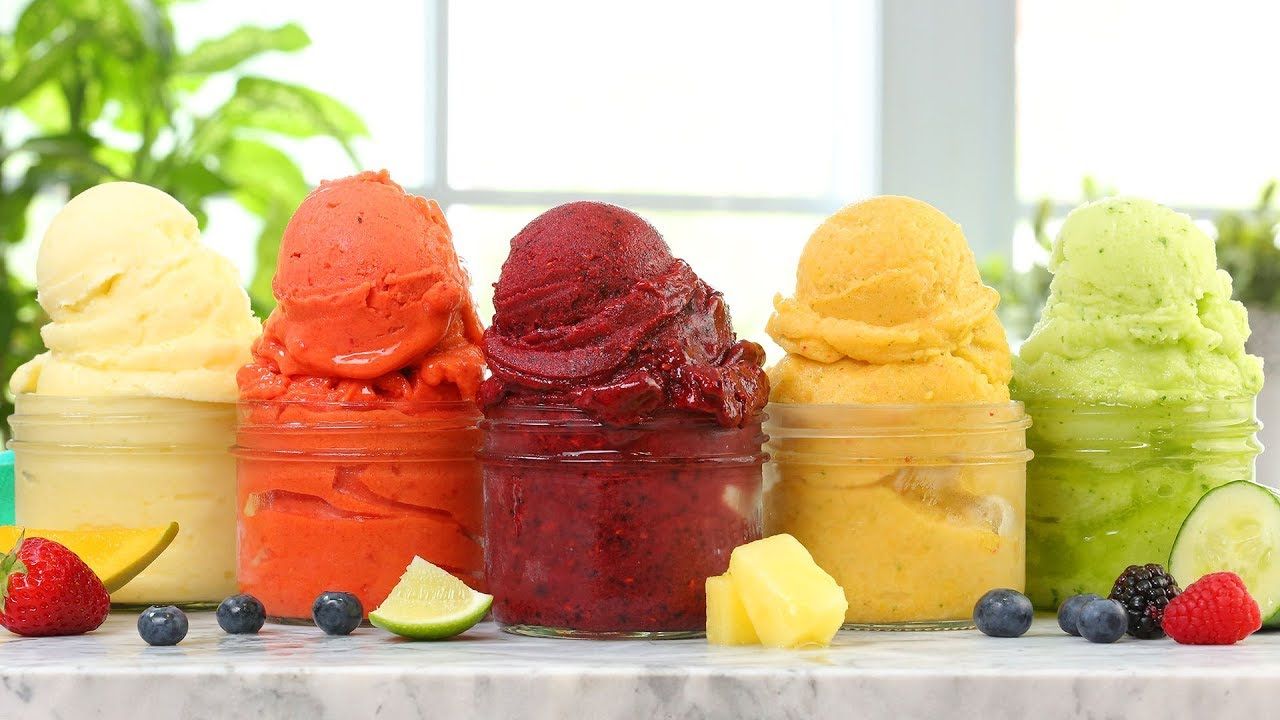
Sorbet is a popular frozen dessert made without any dairy, relying instead on fruit puree or juice, sugar, and water. This makes it an excellent choice for those who are lactose intolerant or seeking a lighter, refreshing alternative to creamy ice cream.
Sorbet is intensely flavored, usually showcasing the bright, natural taste of fruits like lemon, raspberry, mango, or watermelon. It has a crisp and icy texture, lacking the creaminess of dairy-based frozen desserts. Sorbets are also commonly used as palate cleansers between meal courses in fine dining due to their refreshing nature.
Frozen yogurt combines yogurt cultures with milk and sugar to create a creamy yet tangy frozen dessert. It contains live probiotics, which may support digestive health and gut flora balance. The fat content is generally lower than traditional ice cream, making it a popular choice for health-conscious consumers.
Frozen yogurt has a smooth texture that falls between the creaminess of ice cream and the iciness of sorbet. Its distinct tang comes from the active yogurt cultures, giving it a unique flavor profile that can be enhanced with various toppings and mix-ins.
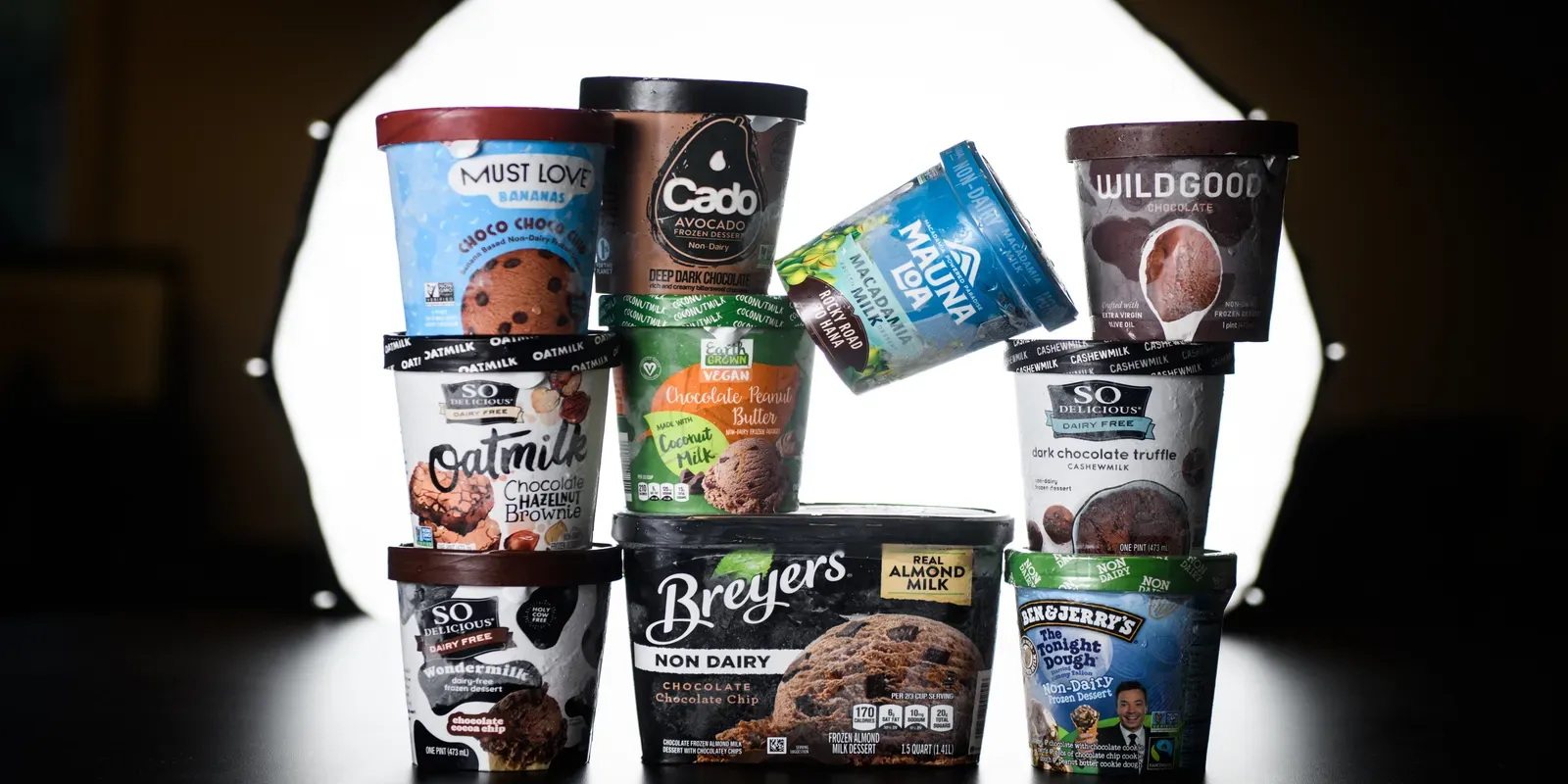
With growing demand for plant-based diets and lactose-free options, dairy-free and vegan ice creams have surged in popularity. These ice creams replace dairy with plant-based milks such as almond, coconut, soy, oat, or cashew milk.
The texture and flavor of these products vary greatly depending on the base ingredient used. Coconut milk-based ice creams tend to be rich and creamy due to the high fat content, while almond or oat milk options may be lighter with a nutty or neutral taste. Many brands fortify these products with vitamins and minerals to mimic the nutritional profile of traditional ice cream.
Read this related article: What Happens When You Eat a Lot of Ice?
Soft Serve:
Soft serve ice cream is churned and frozen simultaneously in machines, incorporating more air and resulting in a lighter, fluffier texture than hard-packed ice cream. It is served fresh and often dispensed directly into cones or cups. Soft serve is usually lower in fat and sugar but is beloved for its creamy mouthfeel and easy serving.
Frozen Custard:
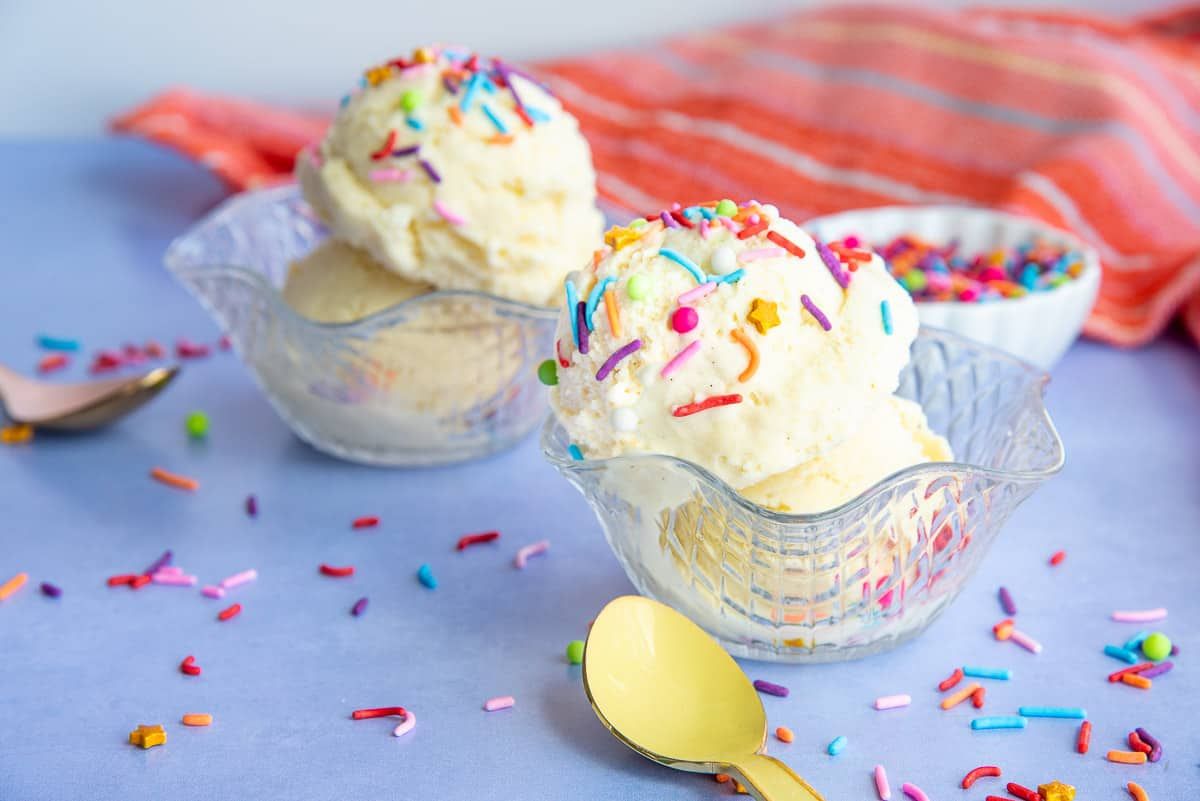
Frozen custard includes egg yolks in its base mix along with cream, milk, and sugar. The addition of eggs gives it a richer, smoother, and denser texture compared to traditional ice cream. It is popular in the United States, especially in regions like the Midwest and the South.
Rolled Ice Cream:
Originating in Southeast Asia, rolled ice cream is made by pouring a liquid ice cream base onto a very cold metal plate. The mixture freezes quickly and is then scraped into thin rolls, which are served with various toppings. This visually appealing style offers a customizable dessert experience and a fun texture.
Ice cream is not just a simple frozen treat—it comes in a vast array of forms, each with distinct ingredients, textures, and cultural significance. Whether you prefer the dense creaminess of gelato, the refreshing zing of sorbet, or the plant-based innovation of vegan ice cream, there’s a style to satisfy every craving and dietary preference






0 comments