
Your Read is on the Way
Every Story Matters
Every Story Matters
The Hydropower Boom in Africa: A Green Energy Revolution Africa is tapping into its immense hydropower potential, ushering in an era of renewable energy. With monumental projects like Ethiopia’s Grand Ethiopian Renaissance Dam (GERD) and the Inga Dams in the Democratic Republic of Congo, the continent is gearing up to address its energy demands sustainably while driving economic growth.
Northern Kenya is a region rich in resources, cultural diversity, and strategic trade potential, yet it remains underutilized in the national development agenda.
Can AI Help cure HIV AIDS in 2025

Why Ruiru is Almost Dominating Thika in 2025

Mathare Exposed! Discover Mathare-Nairobi through an immersive ground and aerial Tour- HD

Bullet Bras Evolution || Where did Bullet Bras go to?
Clean water is not a privilege—it’s a right. But for millions, access to safe drinking water remains out of reach. That’s where water purification comes in—not as a backup plan, but as a daily necessity. Contaminated water is a silent killer, responsible for diseases ranging from diarrhea to cholera, typhoid, and long-term organ damage.
Fortunately, there are several effective methods to purify water, each suited to different environments, resources, and needs. Whether you're living in a rural village, urban slum, or preparing for emergencies, knowing how to purify your water can save your life.
Let’s start with the oldest and simplest technique: boiling. Just heat water to a rolling boil for 5–10 minutes to kill bacteria, viruses, and parasites. It’s ideal for households with access to firewood, gas, or electricity.
Boiling doesn’t require fancy tools. But it doesn’t remove chemical pollutants or heavy metals, so it’s best used for microbiological safety.
Read this related article: Why Drinking Heated Water Could Save Your Health
Water filters come in many types—ceramic, carbon, and sand-based systems. They physically block impurities, including debris, parasites, and some bacteria.
Modern filters even trap microplastics and some heavy metals. Portable versions like LifeStraw or gravity filters make them great for travelers, homes, and disaster zones.
Bonus: Some advanced filtration systems also include activated carbon or ion-exchange resins, which improve taste and remove chlorine or lead.
Adding chlorine to water is a trusted, low-cost chemical method of purification, especially for large-scale treatment like in municipal water or emergency kits.
Just a few drops of household bleach (sodium hypochlorite) can purify water in minutes. But overdosing is harmful, and it may leave an unpleasant taste if not measured correctly.
Still, it’s an essential tool in areas where boiling or filtration is not an option.
Ultraviolet purification is a modern method that uses UV rays to kill bacteria, viruses, and protozoa by destroying their DNA.
It’s incredibly fast—most systems take only seconds—but requires electricity or solar power.
\
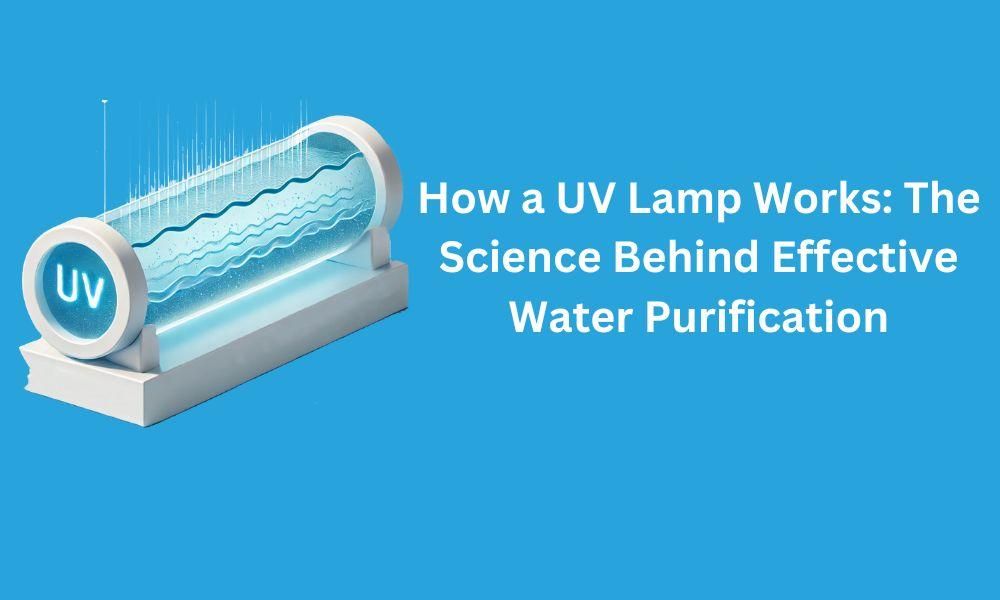
UV systems don’t remove dirt or chemicals, so pre-filtration is often needed.
Ideal for hospitals, urban homes, and places with tech access.
SODIS is a brilliant, low-cost method for emergency or low-resource settings. Just fill clear plastic bottles with water and leave them in direct sunlight for 6–8 hours. UV rays and heat work together to kill most pathogens.
It’s especially useful in rural or disaster-hit areas, though it won’t work on heavily polluted or cloudy water.
Reverse osmosis is a high-end method used in many urban homes and bottled water plants. It forces water through a semipermeable membrane, removing virtually all impurities—salts, metals, bacteria, and chemicals.
But it’s expensive, slow, and wasteful, using more water than it purifies. Still, for areas with contaminated groundwater, it’s a game changer.
Purifying water is just the beginning. If you store it poorly, you risk recontamination. Use clean, closed containers with spouts or tight lids. Avoid scooping with cups or hands.
Even the cleanest water becomes dangerous when exposed to open air, dirty jugs, or human contact.
Whether you're boiling over firewood or using a UV system, the goal is the same—safe, drinkable water. Purification isn't about luxury. It's about survival, health, and dignity.
Different situations require different solutions. The real power lies in knowing your options and using them consistently.





0 comments