
Your Read is on the Way
Every Story Matters
Every Story Matters
The Hydropower Boom in Africa: A Green Energy Revolution Africa is tapping into its immense hydropower potential, ushering in an era of renewable energy. With monumental projects like Ethiopia’s Grand Ethiopian Renaissance Dam (GERD) and the Inga Dams in the Democratic Republic of Congo, the continent is gearing up to address its energy demands sustainably while driving economic growth.
Northern Kenya is a region rich in resources, cultural diversity, and strategic trade potential, yet it remains underutilized in the national development agenda.

Can AI Help cure HIV AIDS in 2025

Why Ruiru is Almost Dominating Thika in 2025

Mathare Exposed! Discover Mathare-Nairobi through an immersive ground and aerial Tour- HD

Bullet Bras Evolution || Where did Bullet Bras go to?
In homes across the world, especially in areas with uncertain water quality, one practice continues to stand strong through generations—boiling drinking water. But this isn't just cultural tradition. It's a science-backed health defense that costs nothing but a few minutes of your time and a little heat.
Boiling water does far more than just make it warmer. It eliminates invisible enemies—bacteria, viruses, and parasites—that untreated or poorly treated water might carry. Especially in areas where piped water isn’t fully trusted or where open wells, tanks, or rivers are used, boiling becomes a non-negotiable step for safety.
At 100°C (212°F), most disease-causing organisms can’t survive. Boiling water for just 5 to 10 minutes is usually enough to kill pathogens like E. coli, Salmonella, Giardia, and even cholera bacteria. These microscopic threats can lead to severe diarrheal diseases, vomiting, fever, and, in vulnerable groups, even death.
And when the risk of contamination is high—like after floods, broken water pipes, or storage in unclean tanks—boiling becomes your first line of defense.
Beyond safety, boiled water helps with digestion. Warm water is gentler on the stomach, especially first thing in the morning. It can stimulate digestion, improve circulation, and reduce constipation. Compared to cold, unfiltered water, boiled water is softer on your system and helps your body absorb nutrients better.
And for those with weak immunity—children, the elderly, and pregnant women—it’s an easy, preventative boost to daily health.
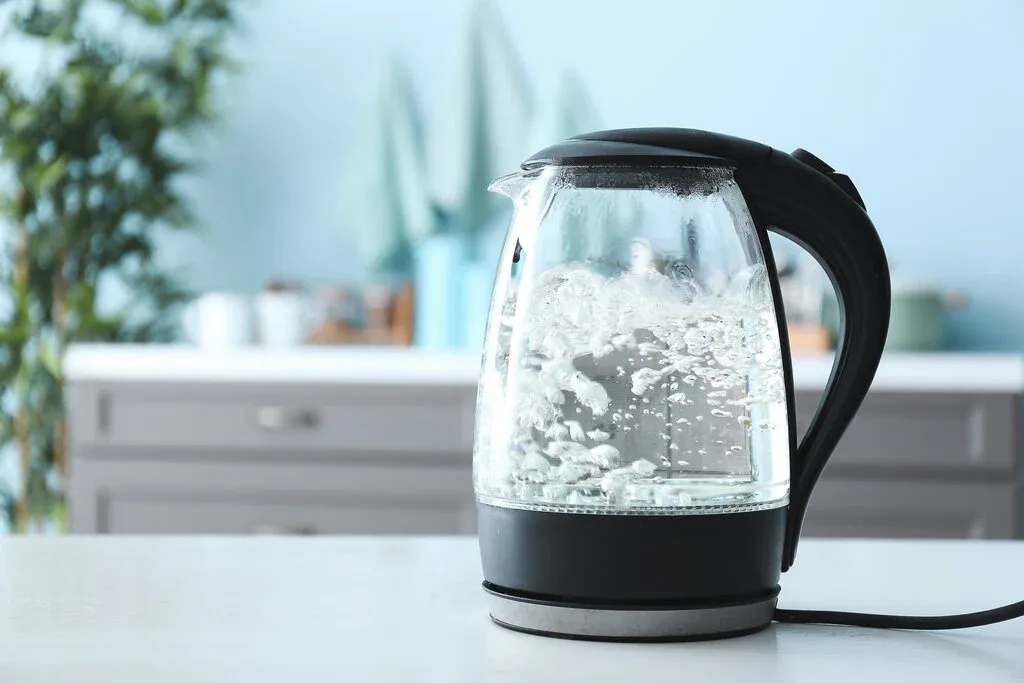
Typhoid, cholera, dysentery, and amoebiasis—these aren’t just words from textbooks. They’re real threats in regions with compromised water systems. Drinking untreated water from questionable sources is one of the fastest ways to catch such infections. But boiling your water consistently slashes those risks dramatically.
Especially for school-going children or people living in urban slums and rural areas, this simple act can mean the difference between wellness and a hospital visit.
Water filters and purification tabs are useful—but they’re not always available or affordable for every household. Boiling is cheap, quick, and needs no fancy tools. Whether you’re using a charcoal stove in a village or a gas burner in a city kitchen, this method works the same: consistently and thoroughly.
What’s more, it doesn’t strip water of essential minerals like some chemical purifiers do. It just removes what your body doesn’t need—the danger.
In a world where pollution, broken infrastructure, and rising diseases threaten our health, boiled water remains one of the simplest and most effective ways to protect yourself. It's not just a safety measure; it's a health strategy.
Whether you're drawing from a tap, river, or well—make boiling a habit, not a backup plan. Your body will thank you for it






0 comments