
Your Read is on the Way
Every Story Matters
Every Story Matters
The Hydropower Boom in Africa: A Green Energy Revolution Africa is tapping into its immense hydropower potential, ushering in an era of renewable energy. With monumental projects like Ethiopia’s Grand Ethiopian Renaissance Dam (GERD) and the Inga Dams in the Democratic Republic of Congo, the continent is gearing up to address its energy demands sustainably while driving economic growth.
Northern Kenya is a region rich in resources, cultural diversity, and strategic trade potential, yet it remains underutilized in the national development agenda.

Can AI Help cure HIV AIDS in 2025

Why Ruiru is Almost Dominating Thika in 2025

Mathare Exposed! Discover Mathare-Nairobi through an immersive ground and aerial Tour- HD

Bullet Bras Evolution || Where did Bullet Bras go to?
Born into one of the most influential and affluent families in Saudi Arabia, Prince Al-Waleed bin Khalid bin Talal Al Saud was groomed for a life of privilege and responsibility from the very start. As the son of Prince Khalid bin Talal and a nephew to the famously wealthy Prince Al-Waleed bin Talal, young Al-Waleed inherited a legacy steeped in business acumen, philanthropy, and political clout. His early years were marked by private schooling, royal traditions, and extensive exposure to both Saudi Arabian culture and the Western world. He was seen as a bright, promising young man who would eventually carry the family's influence forward into a new generation.
Growing up, Prince Al-Waleed was not just a passive beneficiary of wealth and status—he was actively involved in academic pursuits and showed a keen interest in leadership. His education was a blend of Islamic studies, world politics, and modern sciences, reflecting the royal family's desire to prepare their young scions for an increasingly globalized world. He was poised for a future of great influence, whether in business, governance, or philanthropy.
In 2005, during his teenage years, Prince Al-Waleed’s life took a devastating turn. While studying abroad in London—a common practice for many royals seeking world-class education—he was involved in a catastrophic car accident. The crash caused severe brain trauma, leaving him in a comatose state from which he has never fully awakened. The accident shocked not only his family but also the broader Saudi society, which had quietly followed the lives of its young royals with interest and pride.
Medical professionals initially gave grim predictions, suggesting that the prince's chances of recovery were virtually nonexistent. They advised the family to consider withdrawing life support. However, Prince Khalid bin Talal refused to abandon hope, insisting that his son's life was sacred and that miracles were always possible with faith and perseverance. Thus began one of the longest, most publicized royal vigils in modern history.
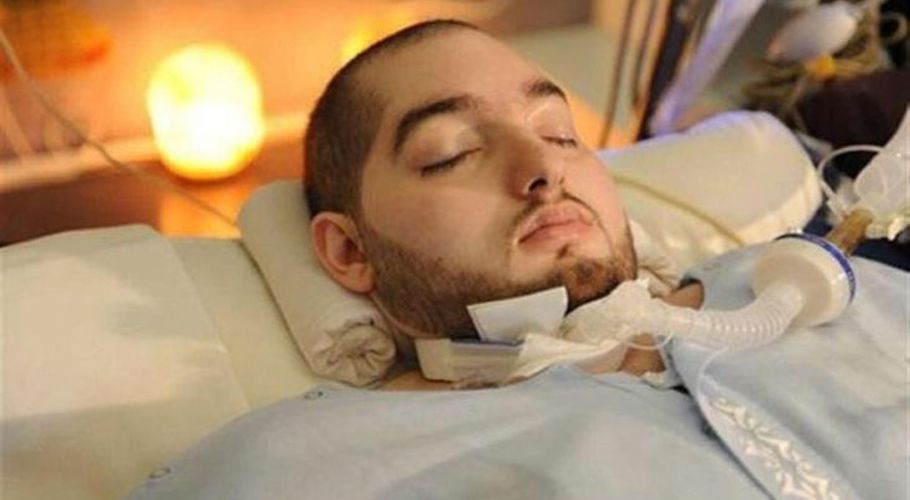
For twenty years, Prince Al-Waleed has remained in a persistent coma, cared for around the clock in a specially designed medical suite. His family has spared no expense in ensuring he receives the best possible care. His hospital room is filled with life-support machines, religious verses, and personal items meant to stimulate any latent consciousness.
Throughout these years, the prince’s condition has been punctuated by rare and fleeting movements—slight twitches of the hand, spontaneous head turns, or fluttering eyelids. These incidents have fueled both his family's hopes and the imagination of the public. Videos capturing these moments often go viral, sparking debates about consciousness, medical ethics, and the boundaries between life and death.
Despite the slow passage of time and the static nature of his condition, Prince Al-Waleed’s story continues to resonate. His family marks milestones like Saudi National Day and Eid by decorating his room and sharing moments of faith and endurance with the nation. They remain steadfast, believing that a full recovery, though delayed, is still possible.
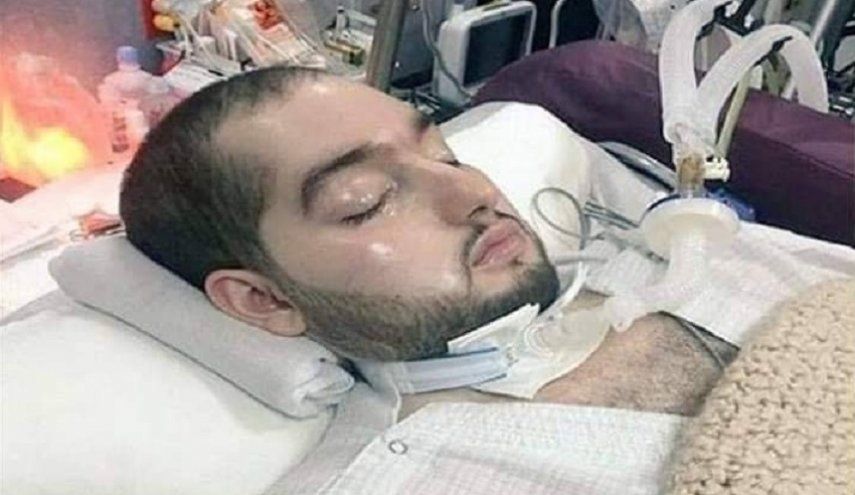
Prince Al-Waleed bin Khalid bin Talal Al Saud has inadvertently become more than just a royal family member; he has become a symbol. For some, he represents unwavering faith and the sanctity of life. For others, he stands at the heart of complex discussions about quality of life, medical intervention, and the emotional costs borne by loved ones.
His father, Prince Khalid, has been a vocal proponent of keeping faith alive, often citing religious convictions as the foundation of his decision to maintain life support. This decision has drawn admiration from some corners and criticism from others, especially among medical ethicists. Nevertheless, the prince’s continued existence challenges conventional understandings of what it means to live and the lengths to which love and hope can sustain life.
Though Prince Al-Waleed has spent more time in a coma than he did awake, his influence is undeniable. He has inadvertently shined a light on the fragility of human existence, the resilience of the human spirit, and the profound strength of familial love. His story transcends national borders, touching people from all walks of life who see in him a reflection of hope, loss, and the endless human capacity for belief in miracles.
As the years go by, the world watches and waits. And while Prince Al-Waleed cannot speak, his silent endurance speaks volumes.






0 comments