
Your Read is on the Way
Every Story Matters
Every Story Matters
The Hydropower Boom in Africa: A Green Energy Revolution Africa is tapping into its immense hydropower potential, ushering in an era of renewable energy. With monumental projects like Ethiopia’s Grand Ethiopian Renaissance Dam (GERD) and the Inga Dams in the Democratic Republic of Congo, the continent is gearing up to address its energy demands sustainably while driving economic growth.
Northern Kenya is a region rich in resources, cultural diversity, and strategic trade potential, yet it remains underutilized in the national development agenda.

Can AI Help cure HIV AIDS in 2025

Why Ruiru is Almost Dominating Thika in 2025

Mathare Exposed! Discover Mathare-Nairobi through an immersive ground and aerial Tour- HD

Bullet Bras Evolution || Where did Bullet Bras go to?
Greetings are a universal human practice, essential for initiating social interaction. They serve not only to acknowledge others but also to express respect, goodwill, and a sense of connection. The forms of greetings vary widely across different cultures and can include both verbal and non-verbal gestures, each carrying its own meaning and significance.
The most common verbal greeting in English-speaking countries is "hello." However, other languages have unique expressions for greetings:
-Spanish: "Hola"
-French: "Bonjour" (Good day)
-German: "Hallo"
-Swahili: "Habari"
-Arabic: "As-salamu alaykum" (Peace be upon you)
In each case, these greetings serve as a polite way to acknowledge another person and begin a conversation.
The formality of greetings often depends on the context and relationship between individuals. For example:
-In Japan, "Konnichiwa" (Good day) is a casual greeting, while more formal greetings like "Ohayō gozaimasu" (Good morning) are used in business or with elders.
-In Arabic-speaking countries, the phrase "As-salamu alaykum" is both formal and respectful, often used in religious or social contexts.
As discussed earlier, handshakes are a global form of greeting. They are often used in professional settings or when meeting someone for the first time. However, the style and firmness of the handshake can vary by culture.
In countries such as Japan, Korea, and Thailand, bowing is a traditional and respectful way of greeting. The depth of the bow often indicates the level of respect and the nature of the relationship.
In Latin America and Europe, it is common to greet close friends or family members with a hug or a kiss on the cheek. For instance:
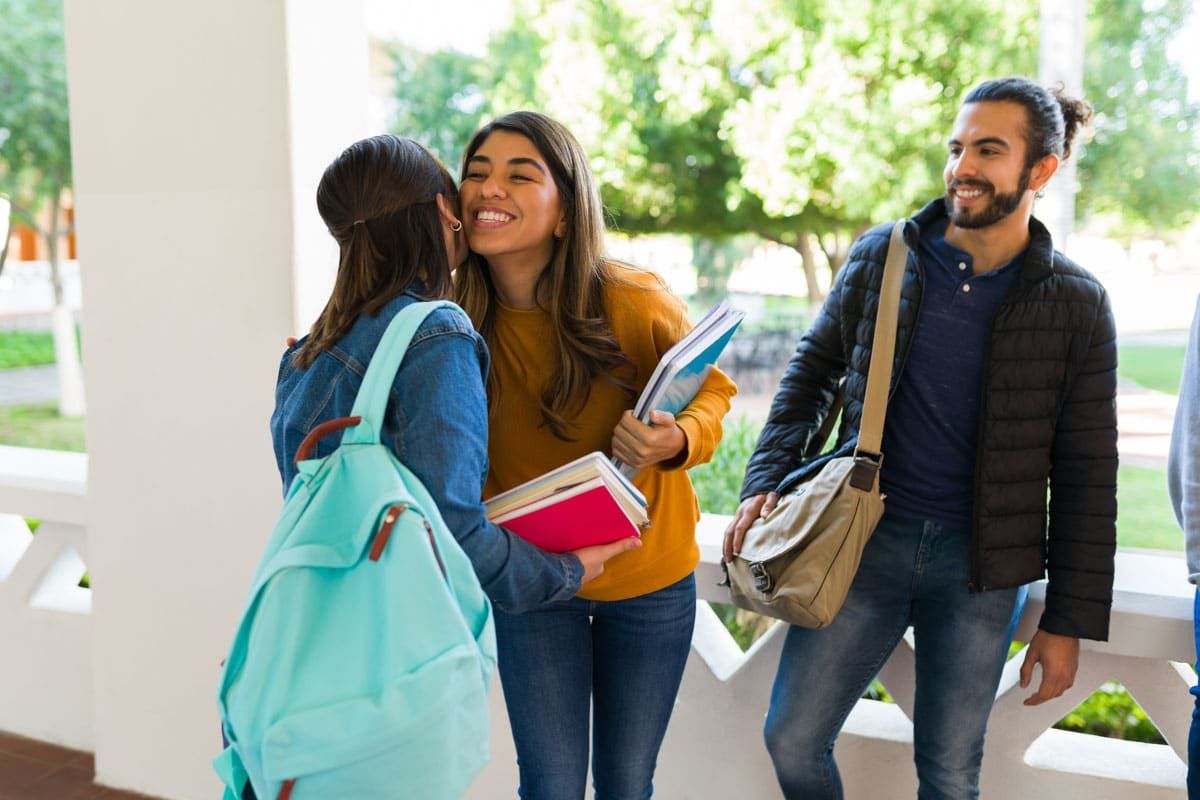
-In France, people may greet each other with a kiss on both cheeks.
-In Mexico, a warm hug is often exchanged among friends and family.
In cultures where physical contact is minimized, a simple nod or a wave can be a polite greeting. This is common in many Western and Asian cultures, where handshakes or hugs are less frequent.
In many African cultures, greetings go beyond a simple "hello." They often involve inquiries about the well-being of family members, health, and other personal matters. For example, in Kenya, a common greeting among the Kikuyu people might be "Waki na waki?" (How is your home?), which emphasizes the importance of community and family.
In India, the "Namaste" is a traditional greeting, where individuals press their palms together in front of their chest and bow slightly. This gesture expresses respect and acknowledges the divine presence in others.
In the Middle East, a common greeting is "As-salamu alaykum" (Peace be upon you), often followed by "Wa alaykum as-salam" (And peace be upon you as well). In addition to this, handshakes are also a prevalent form of greeting, though with a strong focus on respect.
In the digital age, greetings have expanded beyond face-to-face interaction to include virtual platforms. In online communication, greetings like "Hi," "Hey," or even emojis are used to initiate conversation. Video calls have also introduced a new dimension to greetings, with people exchanging smiles, waves, and verbal greetings.
In the professional realm, particularly in the wake of the COVID-19 pandemic, virtual handshakes and gestures, such as the elbow bump, have gained popularity as substitutes for physical greetings.
Greetings are much more than a formality—they serve as a bridge between individuals, reflecting cultural values and establishing social connections. Whether verbal, non-verbal, or digital, the act of greeting signifies a desire to acknowledge, respect, and engage with others. Despite the diversity of greetings around the world, the underlying intent is universal: to foster connection and mutual respect.
Read this related article: The History and Significance of Handshaking in Human Interaction






0 comments