
Your Read is on the Way
Every Story Matters
Every Story Matters
The Hydropower Boom in Africa: A Green Energy Revolution Africa is tapping into its immense hydropower potential, ushering in an era of renewable energy. With monumental projects like Ethiopia’s Grand Ethiopian Renaissance Dam (GERD) and the Inga Dams in the Democratic Republic of Congo, the continent is gearing up to address its energy demands sustainably while driving economic growth.
Northern Kenya is a region rich in resources, cultural diversity, and strategic trade potential, yet it remains underutilized in the national development agenda.

Can AI Help cure HIV AIDS in 2025

Why Ruiru is Almost Dominating Thika in 2025

Mathare Exposed! Discover Mathare-Nairobi through an immersive ground and aerial Tour- HD

Bullet Bras Evolution || Where did Bullet Bras go to?
Doing laundry is one of those routine chores most people perform on autopilot. Throw in some detergent, choose a cycle, and let the machine do its thing. But the truth is, most of us are doing it wrong — and we don’t even realize it. From using the wrong temperature to trusting too much in our detergent, the gap between “appears clean” and “actually clean” is wider than most think. Your clothes might look bright and smell fresh, but are they truly clean? These seven facts will challenge what you thought you knew about your laundry routine and show you how to make your clothes last longer, feel better, and stay truly fresh.
The rise of eco-conscious habits has made cold-water washing the norm for many. It saves energy, prevents shrinkage, and protects colors. But here’s the catch: cold water isn’t effective at breaking down body oils, eliminating certain bacteria, or lifting embedded dirt, especially from athletic gear, undergarments, or sickbed sheets. If you’re constantly rewashing items or noticing a persistent odor, your water temperature could be to blame. Hot water, on the other hand, helps dissolve detergent better and kills pathogens more effectively. The solution isn’t to wash everything in scalding water but to be strategic: use hot water for towels, sheets, socks, underwear, and anything heavily soiled, while reserving cold for delicates and colors that are prone to fading.
A neglected washing machine is a silent culprit in laundry problems. Over time, detergent residue, mineral deposits from hard water, and mold from trapped moisture build up inside the drum and rubber seals. Each time you run a cycle, you might be reapplying grime to your supposedly clean clothes. If you’ve ever pulled out a load that smells musty or feels sticky despite being freshly washed, it’s likely because your machine needs cleaning. Regular maintenance is non-negotiable. Run a hot cycle with vinegar and baking soda or use a washing machine cleaner once a month. Leave the lid or door open between washes to prevent mold growth, and clean the detergent tray and rubber seals often. A clean machine means a clean load.
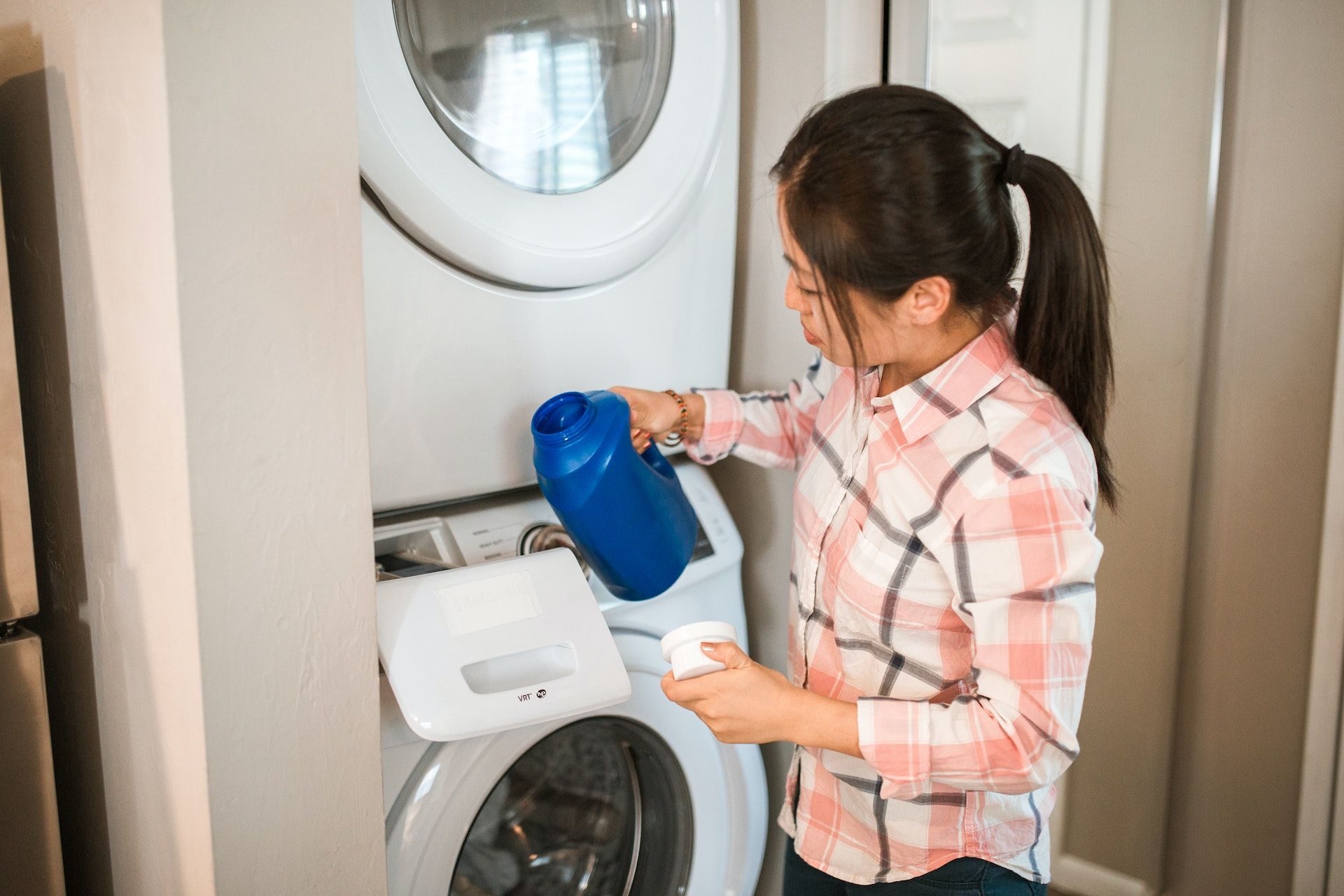
More suds, more clean — that’s the myth. But dumping extra detergent into the machine actually creates problems. Excess detergent doesn’t fully rinse out, leading to soap scum clinging to your fabrics and to the washer’s inner workings. This residue traps dirt and bacteria, dulls fabric over time, and can cause skin irritation. High-efficiency (HE) machines are especially sensitive to over-sudsing, often failing to rinse out all that extra soap. The fix is simple: measure your detergent, even if it feels stingy. For HE machines, use HE detergent and go even lighter with small or lightly soiled loads. When facing tough stains, focus on pre-treating the specific spot rather than oversoaping the whole load.
Everyone forgets a load in the washer occasionally, but what happens in that dark, damp environment can ruin your clean clothes. Letting wet laundry sit even for a few hours gives mildew a head start. That distinct sour smell that sometimes clings to clothes isn’t imaginary — it’s microbial activity. Mold spores thrive in warm, wet conditions, and once they embed in fabrics, they’re difficult to remove. To avoid this, always switch laundry to the dryer or hang it immediately after the wash ends. If you do leave it too long, rewash with hot water and a cup of white vinegar to neutralize the odor and kill lingering spores. Laundry is a time game — the sooner it dries, the cleaner it stays.
Soft clothes feel great, but traditional fabric softeners achieve that effect by layering a thin film over your garments. This coating can actually repel water, making towels less absorbent and activewear less breathable. Over time, it also attracts and holds onto oils and debris from your skin and detergent. That soft towel may feel clean, but it’s not functioning at its best.

To avoid this, ditch liquid softeners and dryer sheets in favor of natural alternatives. White vinegar added during the rinse cycle can break down residue and soften clothes without buildup. Dryer balls — particularly wool ones — reduce static, speed up drying time, and fluff fabrics naturally without leaving anything behind.
It might seem old-fashioned, but sorting laundry still matters. Washing your delicate blouse with gritty jeans or mixing lint-heavy towels with dark cottons creates friction, fading, and fabric damage. It also leads to uneven cleaning: heavily soiled items can redeposit grime onto cleaner pieces, and differing fabric weights cause imbalance during spin cycles. Make it a rule to sort by color, fabric type, and soil level. Lightly soiled items don’t need the same treatment as muddy soccer gear. Separating these loads ensures cleaner results, less wear and tear, and fewer laundry disasters like color bleeding or shrinkage.
After going through all the effort to properly clean your clothes, storing them in dusty, musty environments defeats the purpose. Closets with poor airflow and high humidity can make clean fabrics smell stale within days. Storing damp clothes, even slightly, is a recipe for mold. To preserve cleanliness, your storage space needs just as much care as your washing machine. Vacuum closets every few months, wipe down drawers, and use moisture-absorbing sachets like cedar or activated charcoal. Never fold or hang damp clothes. Allow everything to fully air dry before putting it away. Clean storage ensures your laundry efforts last.






0 comments