
Your Read is on the Way
Every Story Matters
Every Story Matters
The Hydropower Boom in Africa: A Green Energy Revolution Africa is tapping into its immense hydropower potential, ushering in an era of renewable energy. With monumental projects like Ethiopia’s Grand Ethiopian Renaissance Dam (GERD) and the Inga Dams in the Democratic Republic of Congo, the continent is gearing up to address its energy demands sustainably while driving economic growth.
Northern Kenya is a region rich in resources, cultural diversity, and strategic trade potential, yet it remains underutilized in the national development agenda.

Can AI Help cure HIV AIDS in 2025

Why Ruiru is Almost Dominating Thika in 2025

Mathare Exposed! Discover Mathare-Nairobi through an immersive ground and aerial Tour- HD

Bullet Bras Evolution || Where did Bullet Bras go to?
Eggs are among the most versatile foods in the world. They are consumed in almost every culture, valued for their nutritional benefits, affordability, and adaptability in both simple and gourmet dishes. From breakfast staples to sophisticated recipes, eggs can be prepared in countless ways, each method offering a unique taste, texture, and dining experience.
Boiling is one of the simplest methods of preparing eggs. Depending on the duration of cooking, they can be:
-Soft-boiled: with firm whites and a runny yolk, often served in egg cups.
-Medium-boiled: with partially set yolks, offering a balance of creaminess and firmness.
-Hard-boiled: fully cooked yolks and whites, commonly used in salads, sandwiches, and as a quick snack.
Boiled eggs are popular for their convenience, as they can be cooked in advance and stored for later consumption.
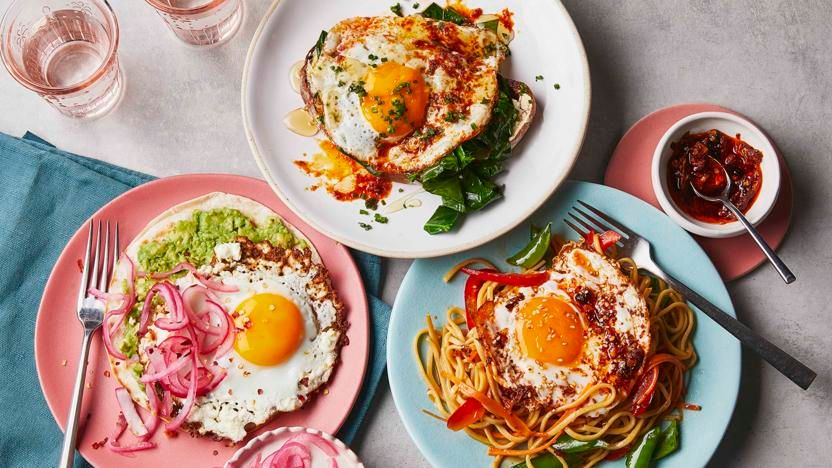
Fried eggs are prepared by cracking eggs into a heated pan with oil or butter. They can be served in different styles:
-Sunny-side up: cooked on one side, with a runny yolk.
-Over-easy: flipped briefly to cook both sides while keeping the yolk soft.
-Over-hard: fully cooked yolk and white.
This preparation is quick and pairs well with toast, rice, or breakfast meats.
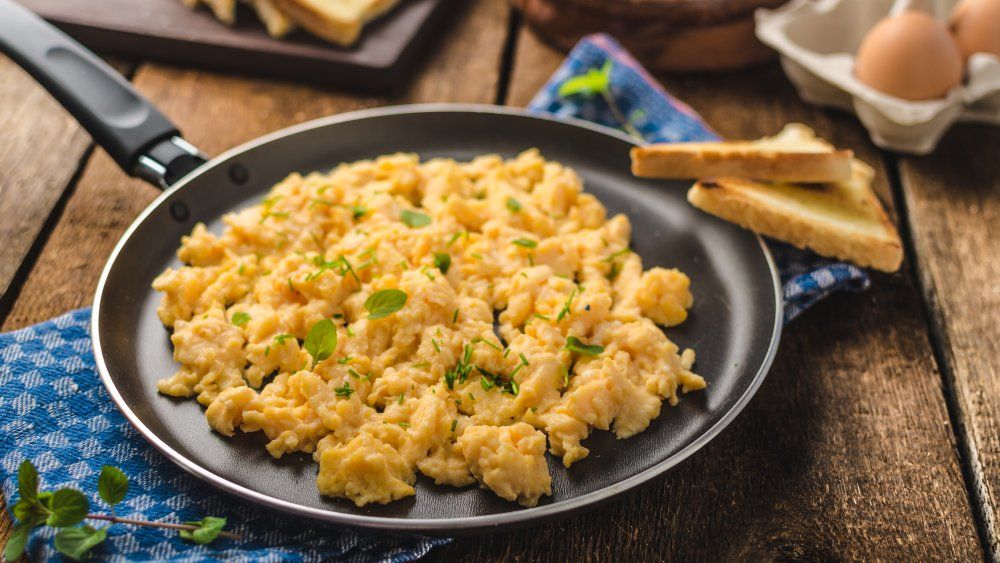
Scrambled eggs are made by whisking eggs before cooking them in a pan over gentle heat. They can range from soft and creamy to firm and dry, depending on technique. Enhancements like cheese, herbs, vegetables, or cream are often added to elevate the flavor. Scrambled eggs are widely regarded as a comfort food.
An omelette is prepared by cooking beaten eggs in a pan and folding them around various fillings such as cheese, mushrooms, ham, or spinach. It is highly customizable and common in many cultures. Variations such as the French omelette focus on delicate texture, while others are more hearty and rustic.
Poaching involves cooking eggs in simmering water without the shell. The whites are softly set while the yolk remains runny. Poached eggs are commonly featured in classic dishes such as Eggs Benedict and are valued for their light texture and elegant presentation.
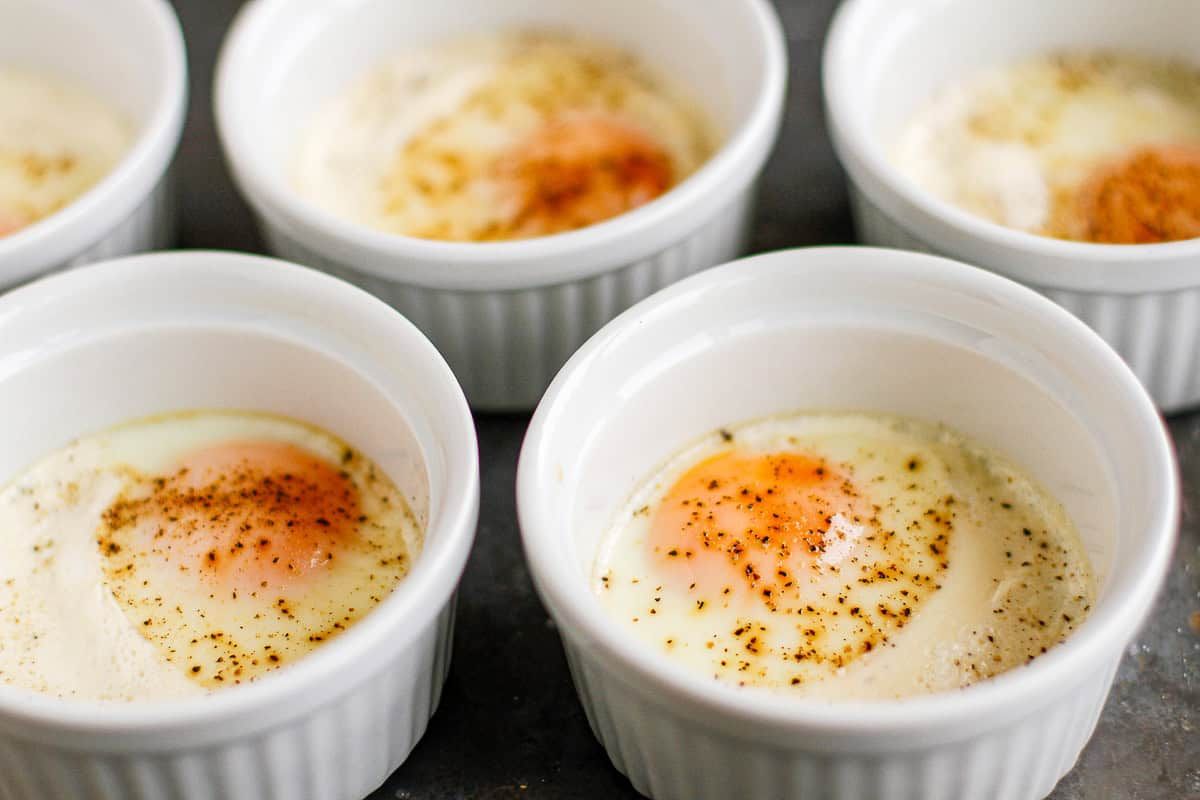
Baked eggs, also known as shirred eggs, are cooked in ovenproof dishes, sometimes with added cream, vegetables, or meat. This method allows for creativity and is popular in brunch settings. The even, gentle heat of the oven produces a distinct texture compared to stovetop methods.
Eggs also feature in an array of regional and international specialties:
-Deviled eggs: hard-boiled eggs halved and filled with a seasoned yolk mixture.
-Frittata: an Italian dish similar to an omelette but baked with various fillings.
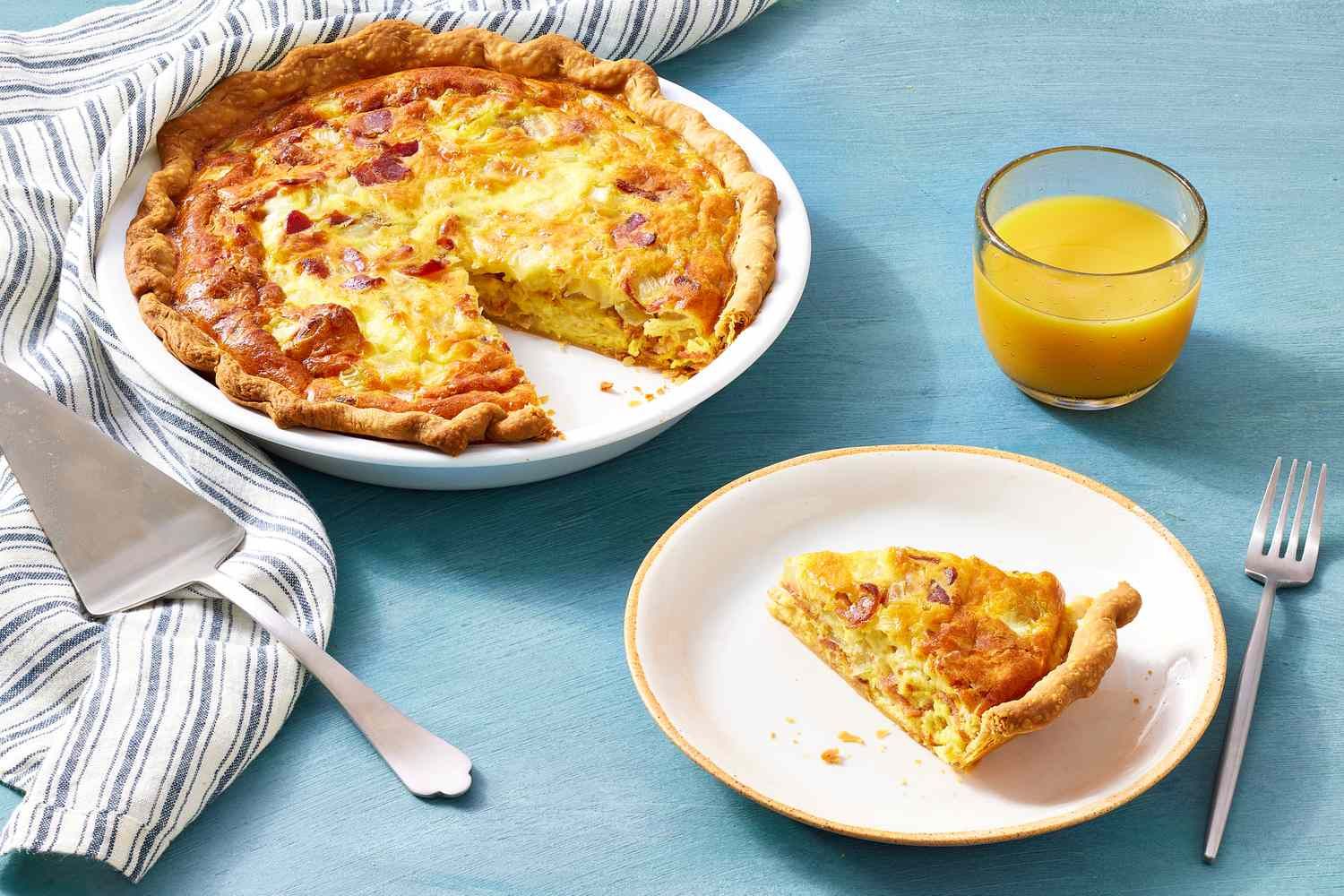
-Quiche: a savory tart made with eggs, cream, cheese, and meats or vegetables.
-Egg curry: a flavorful dish popular in parts of Asia, featuring boiled eggs simmered in spiced sauces.
-Shakshuka: a North African and Middle Eastern dish where eggs are poached in a rich tomato-based sauce.
These dishes demonstrate the universal appeal of eggs in both traditional and contemporary cuisines.
Read this related article: Why Do People Drink Raw Eggs?
Eggs remain a global staple because of their adaptability, nutrition, and affordability. Whether simply boiled or incorporated into elaborate dishes, eggs continue to inspire chefs and home cooks alike. Each method of preparation not only enhances flavor but also reflects cultural traditions and personal preferences.






0 comments