
Your Read is on the Way
Every Story Matters
Every Story Matters
The Hydropower Boom in Africa: A Green Energy Revolution Africa is tapping into its immense hydropower potential, ushering in an era of renewable energy. With monumental projects like Ethiopia’s Grand Ethiopian Renaissance Dam (GERD) and the Inga Dams in the Democratic Republic of Congo, the continent is gearing up to address its energy demands sustainably while driving economic growth.
Northern Kenya is a region rich in resources, cultural diversity, and strategic trade potential, yet it remains underutilized in the national development agenda.

Can AI Help cure HIV AIDS in 2025

Why Ruiru is Almost Dominating Thika in 2025

Mathare Exposed! Discover Mathare-Nairobi through an immersive ground and aerial Tour- HD

Bullet Bras Evolution || Where did Bullet Bras go to?
Coffee is more than just a beverage—it’s a culture, a daily ritual, and for many, a passion. The world of coffee is vast, with countless brewing styles, roasting techniques, and flavor profiles. At the heart of it all, however, are the coffee beans themselves.
Different types of coffee beans create dramatically different experiences in taste, aroma, and strength. Understanding these types can help coffee lovers appreciate their cup more deeply and even experiment with new flavors.
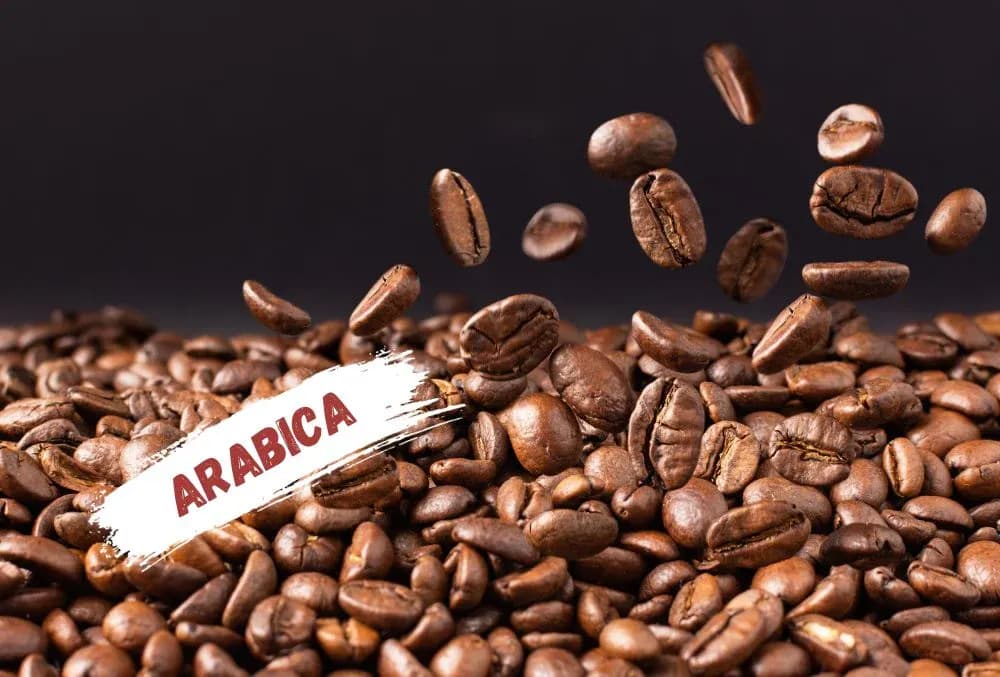
Arabica is by far the most popular type of coffee bean, accounting for 60–70% of global coffee consumption. Native to the highlands of Ethiopia, Arabica thrives in cool, high-altitude regions where the climate is mild.
Arabica beans are prized for their delicate flavor, which is often smooth, fruity, and slightly acidic. Unlike stronger coffee types, Arabica tends to have a naturally sweet undertone, making it a favorite in specialty coffee shops.
The beans are oval-shaped, with a curved crease, and they require careful cultivation, as they are highly sensitive to pests and changes in climate.
Coffee drinkers who enjoy gourmet, nuanced flavors often gravitate toward Arabica. It is commonly served black, in pour-overs, or as part of high-quality blends.
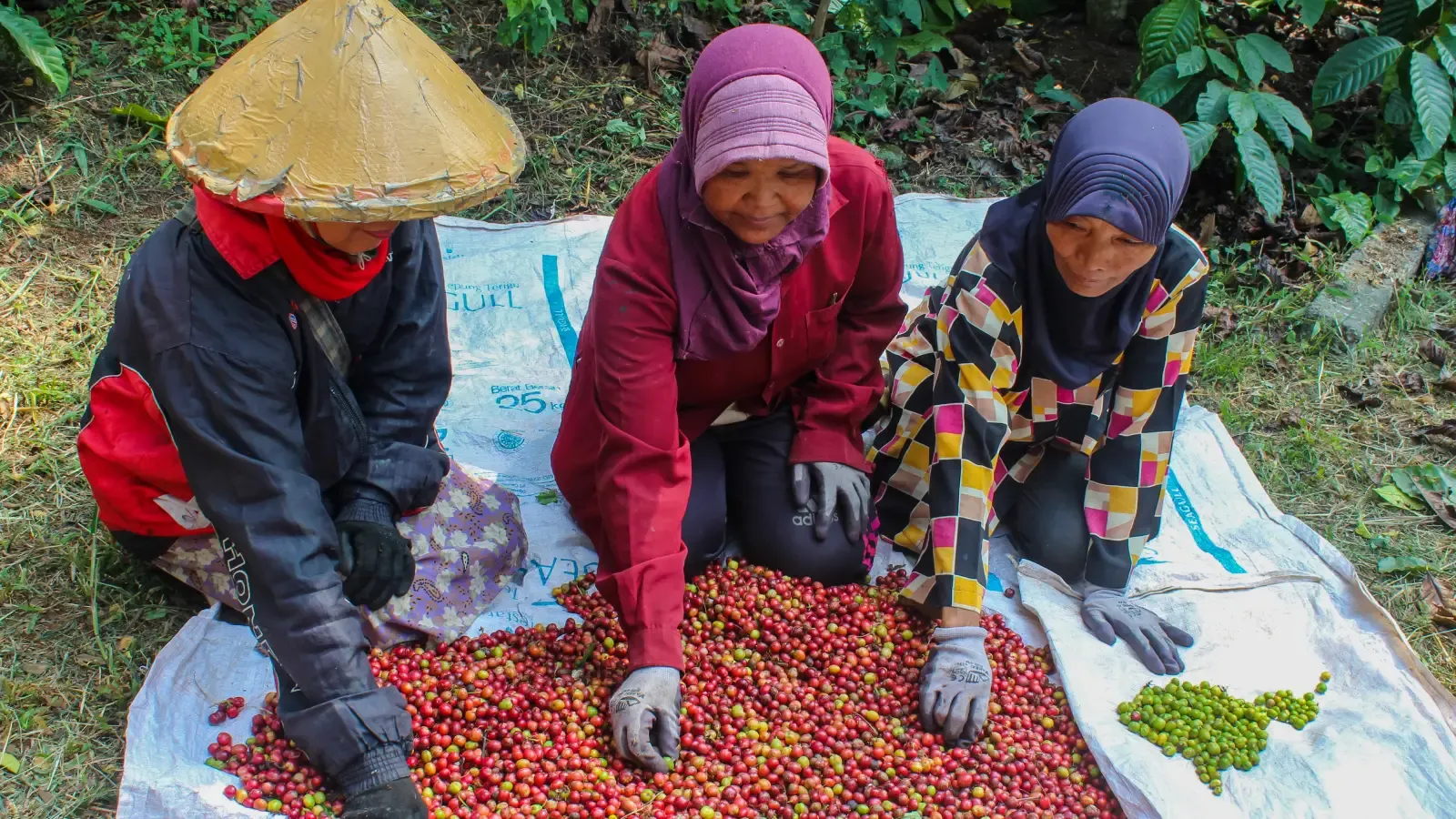
If Arabica is smooth, Robusta is its stronger, tougher sibling. Robusta beans grow best in low-altitude, warmer regions and are much more resilient against pests and diseases. They are rounder in shape and contain nearly twice the caffeine of Arabica beans.
Robusta is known for its intense, bitter flavor with earthy or nutty undertones. Because of its bold taste, it is often used in espresso blends to provide depth, strength, and a thick layer of crema. While Robusta is sometimes considered less refined, it plays an important role in creating affordable coffee products and instant coffee.
For coffee drinkers who prefer a kick of energy and don’t mind a stronger taste, Robusta is the bean of choice.
Liberica coffee is far less common but beloved by those who appreciate its uniqueness. Grown mainly in Southeast Asia and West Africa, Liberica beans are larger and more irregular in shape compared to Arabica and Robusta.
Liberica is famous for its distinctive smoky, floral, and woody flavor—something not easily found in other beans. Its aroma is bold, and its taste is often described as mysterious, with hints of dark fruit or spices. Because of its rarity, Liberica is not widely available in global markets, but in regions like the Philippines, it holds a strong cultural significance.
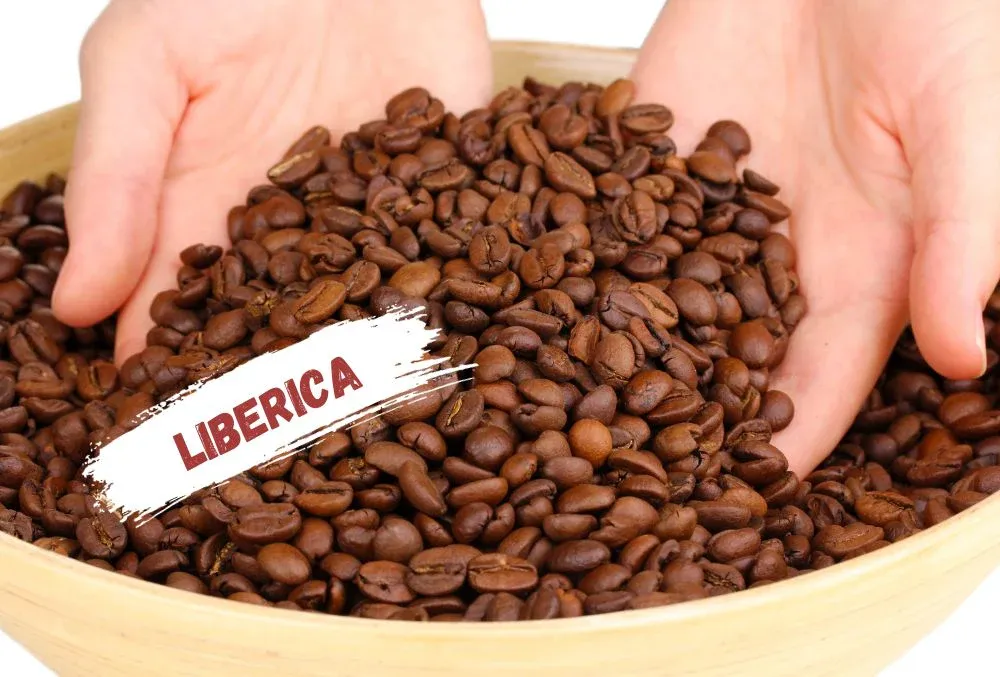
This bean is perfect for those who want to explore beyond mainstream coffee and savor a rare experience.
Excelsa, once classified as a separate species, is now recognized as a member of the Liberica family. However, many coffee enthusiasts still treat it as distinct because of its unique flavor profile.
Grown primarily in Southeast Asia, Excelsa has a tart, fruity, and complex taste that often combines light, citrusy notes with deeper, roasted undertones. This dual character makes it an excellent component in coffee blends, as it adds depth and intrigue to otherwise simple flavor profiles.
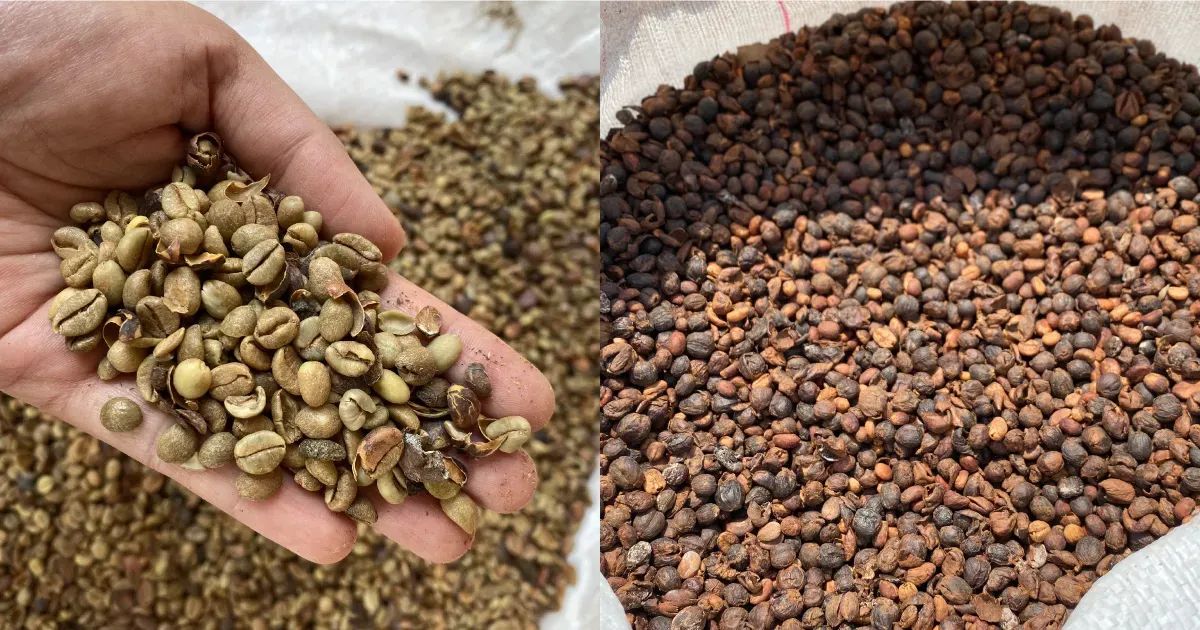
Excelsa is ideal for those who enjoy complex, layered flavors that change with every sip.
While each type of coffee bean has its own identity, many coffee producers create blends to balance flavors, aromas, and strengths. For example, combining Arabica’s smoothness with Robusta’s bitterness can result in a well-rounded espresso.
Specialty coffees—such as cold brew, French press, Turkish coffee, and flavored varieties—also highlight the versatility of these beans. Depending on the roasting process, the same bean can taste dramatically different. A light roast may enhance fruity notes, while a dark roast can bring out bold, smoky flavors.
For adventurous coffee drinkers, exploring single-origin beans and specialty brewing methods can open new worlds of taste.
Coffee is not a one-size-fits-all drink. From the mild sophistication of Arabica to the bold punch of Robusta, the smoky mystery of Liberica, and the tart complexity of Excelsa, each type of coffee offers a unique experience. Understanding these differences can help you choose the perfect bean for your palate and deepen your appreciation of this globally cherished beverage.




0 comments