
Your Read is on the Way
Every Story Matters
Every Story Matters
The Hydropower Boom in Africa: A Green Energy Revolution Africa is tapping into its immense hydropower potential, ushering in an era of renewable energy. With monumental projects like Ethiopia’s Grand Ethiopian Renaissance Dam (GERD) and the Inga Dams in the Democratic Republic of Congo, the continent is gearing up to address its energy demands sustainably while driving economic growth.
Northern Kenya is a region rich in resources, cultural diversity, and strategic trade potential, yet it remains underutilized in the national development agenda.

Can AI Help cure HIV AIDS in 2025

Why Ruiru is Almost Dominating Thika in 2025

Mathare Exposed! Discover Mathare-Nairobi through an immersive ground and aerial Tour- HD

Bullet Bras Evolution || Where did Bullet Bras go to?
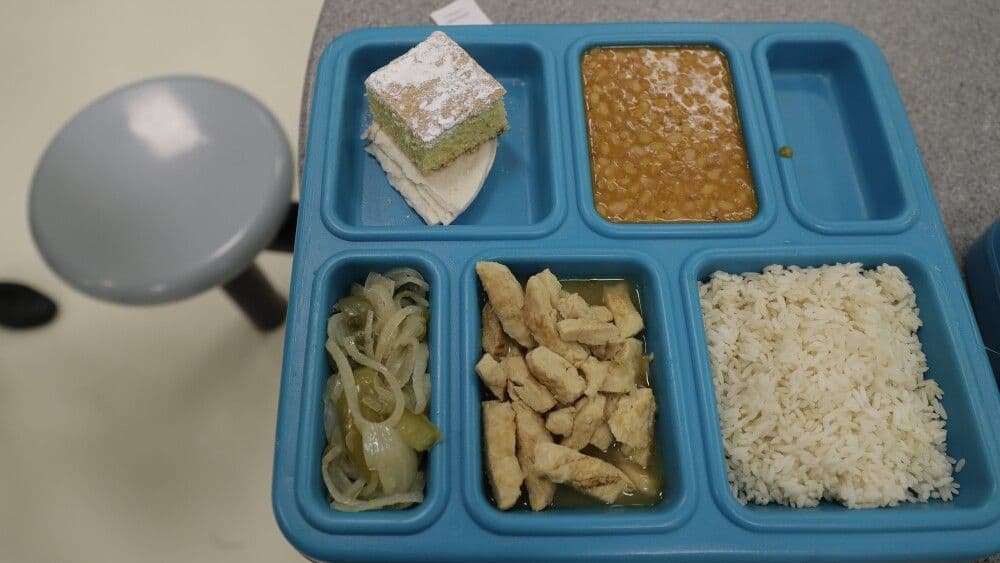
Prisons are often associated with harsh conditions, but food plays a surprisingly important role in shaping the daily lives of inmates. Across the globe, prison meals vary significantly, reflecting local culture, nutrition standards, and government priorities.
While some countries prioritize rehabilitation through healthy diets, others serve minimal portions that barely meet nutritional needs. Interestingly, a handful of prisons are recognized for serving some of the best and most balanced meals in the world.
In Japan, prisons are known for their structured and disciplined approach, and this extends to meals. Inmates are served portions of rice, miso soup, fish, vegetables, and pickles. The emphasis is on balanced nutrition, portion control, and cultural relevance, mirroring the traditional Japanese diet.
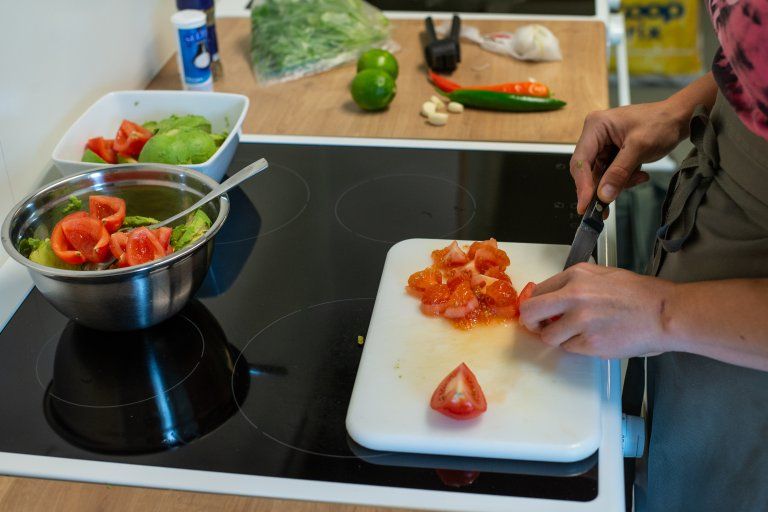
Norwegian prisons, particularly Halden Prison, are often praised for treating inmates with dignity. Meals include fresh vegetables, lean meats, and even access to kitchens where prisoners can cook. The philosophy here is that healthy and well-prepared meals contribute to rehabilitation and respect for human rights.
Italian prisons serve meals that reflect the nation’s rich culinary heritage. Pasta, bread, cheese, and fresh vegetables are staples. In some facilities, inmates even participate in cooking programs, preparing dishes rooted in regional traditions. This not only enhances nutrition but also provides culinary skills for reintegration into society.
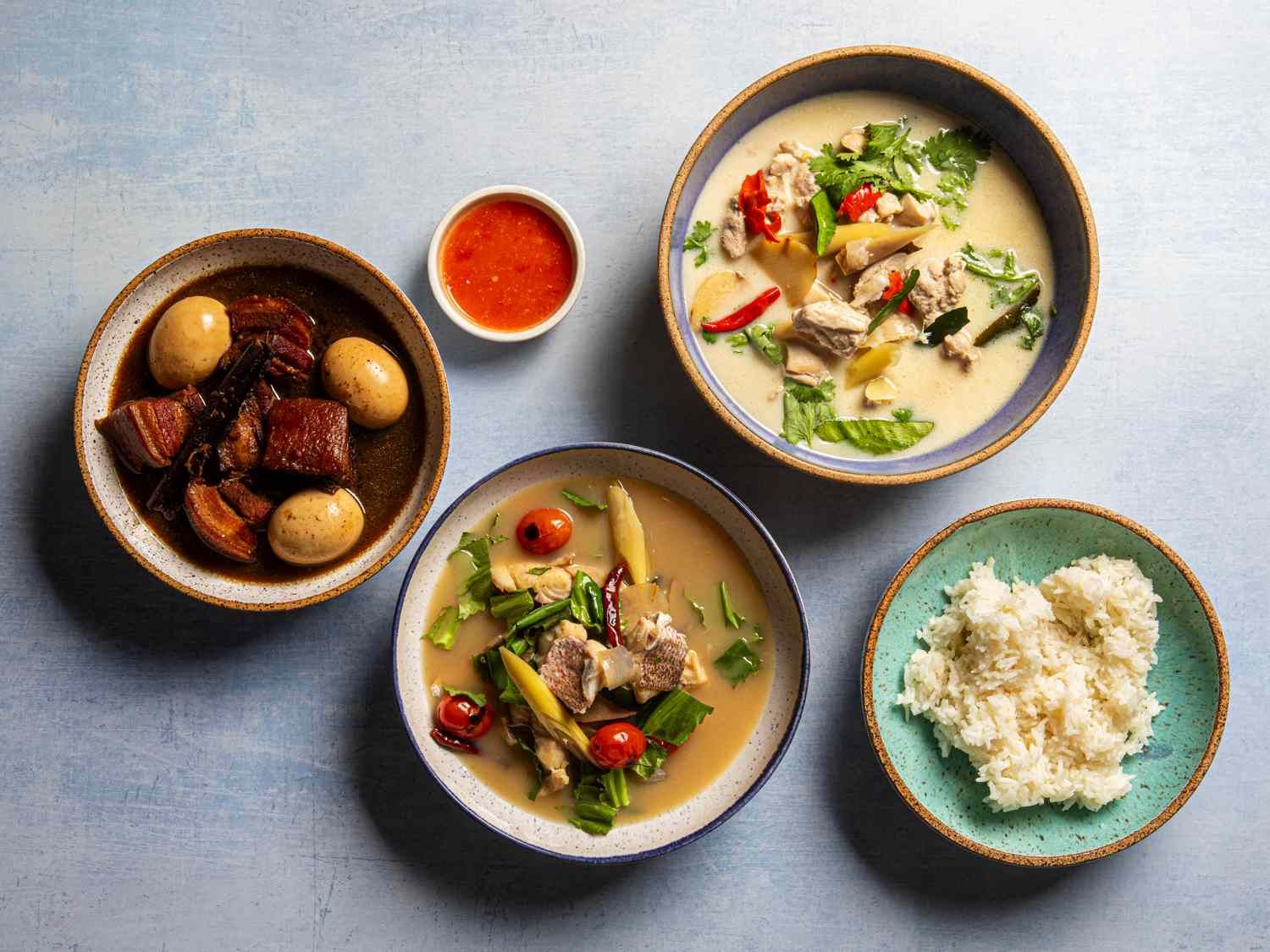
In Thai prisons, rice remains the foundation of most meals, often paired with vegetables, soup, or fish. While conditions may vary, larger prisons occasionally serve curries and spicy side dishes. Despite strict environments, the meals reflect Thailand’s love for bold flavors.
Swedish prisons stand out for their focus on rehabilitation, and food is central to this mission. Meals often consist of fresh salads, fruits, lean proteins, and whole grains. Inmates are sometimes given responsibility for preparing meals, encouraging self-reliance and responsibility.
The best prison foods in the world are not only about taste but about philosophy. Nations like Norway, Japan, and Sweden view food as an essential part of rehabilitation, offering meals that balance nutrition and dignity. This reflects a broader understanding that even within prison walls, humane treatment fosters better outcomes for individuals and society.




0 comments