
Your Read is on the Way
Every Story Matters
Every Story Matters
The Hydropower Boom in Africa: A Green Energy Revolution Africa is tapping into its immense hydropower potential, ushering in an era of renewable energy. With monumental projects like Ethiopia’s Grand Ethiopian Renaissance Dam (GERD) and the Inga Dams in the Democratic Republic of Congo, the continent is gearing up to address its energy demands sustainably while driving economic growth.
Northern Kenya is a region rich in resources, cultural diversity, and strategic trade potential, yet it remains underutilized in the national development agenda.

Can AI Help cure HIV AIDS in 2025

Why Ruiru is Almost Dominating Thika in 2025

Mathare Exposed! Discover Mathare-Nairobi through an immersive ground and aerial Tour- HD

Bullet Bras Evolution || Where did Bullet Bras go to?
When people talk about family, they often describe it in terms of structure—parents, siblings, maybe grandparents and extended relatives. But there's a deeper, less tangible element that gives life to the concept of family, and that is the presence of children. Children bring color to the grayscale of routine life. Their arrival doesn’t just expand a family numerically; it expands it spiritually, emotionally, and in terms of purpose.
With their energy, innocence, and unfiltered love, children reshape the atmosphere of a home. They turn a quiet space into one filled with laughter, curiosity, and occasional chaos. They give adults new reasons to grow and become more than they thought possible. In every meaningful way, children are the heartbeat of a family—the pulse that keeps it alive and ever-evolving.
Children have a magical, almost effortless way of creating connection within a family. Couples who become parents often discover a whole new dimension to their relationship—navigating the ups and downs of parenting can deepen their bond and add layers of mutual respect and admiration. The shared experiences, from sleepless nights to watching first steps, become unique threads that weave people closer together.
Grandparents, too, often find renewed purpose through their grandchildren, taking joy in nurturing a new generation. Even siblings, aunts, uncles, and cousins feel the ripple effect, finding fresh ways to engage and support one another. In a sense, children are the common ground that bridges generational gaps and mends emotional rifts. They give families a collective focus and a reason to look beyond their differences, creating stronger, more cohesive units built on love, shared responsibility, and common dreams.
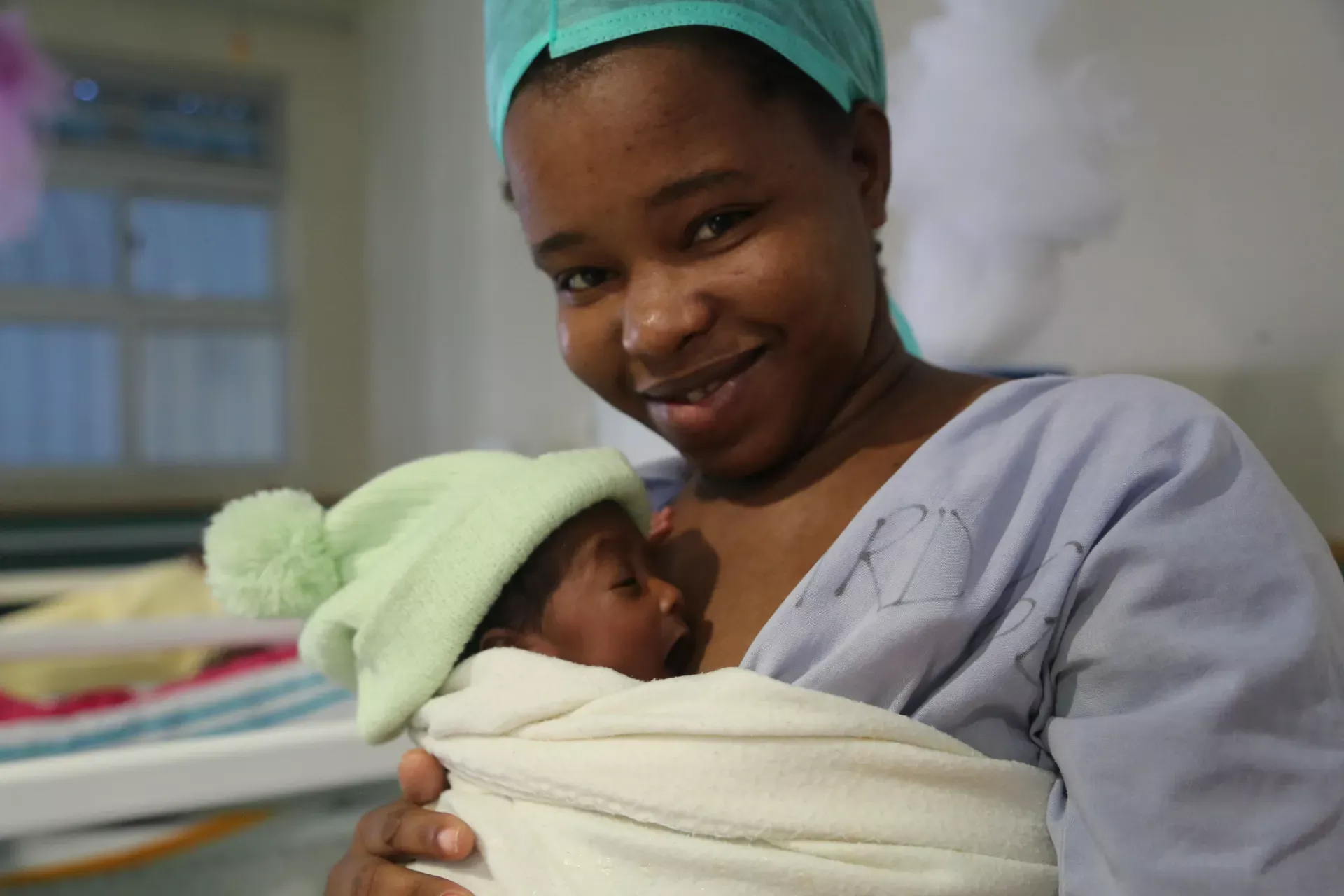
One of the most profound transformations that occur when children enter a family is the shift in purpose. Prior to having children, many adults operate on goals that are self-directed—career achievements, travel plans, personal milestones. But when a child arrives, the entire paradigm changes. Suddenly, decisions are no longer just about personal gain, but about creating stability, safety, and opportunity for someone else.
Parents start thinking in terms of long-term benefits: saving for college, choosing the right school district, maintaining a healthy lifestyle to be present for years to come. The child becomes the centerpiece of countless decisions, each one rooted in love and a desire to provide the best. This shift often leads adults to live more intentional, focused lives. They gain clarity about what really matters, making sacrifices with a sense of pride and urgency. In short, children infuse life with meaning and direction in a way nothing else can.
Children are perhaps the greatest teachers life has to offer, and their lessons are not always easy. They demand attention, care, and an enormous amount of patience. They test boundaries and stretch limits. Yet through all this, parents grow in ways they never expected. They learn to pause, to listen more attentively, to respond with empathy rather than anger. They discover reserves of patience they didn’t know existed. More importantly, they begin to understand the true essence of selflessness—waking up at odd hours, putting their child’s needs above their own, sacrificing time, energy, and sometimes their own ambitions for the well-being of their children.
This growth is not limited to parenting; it spills over into other areas of life. Adults become better partners, more compassionate friends, and more empathetic members of society. Children, by simply being themselves, ignite a process of inner transformation that redefines what it means to love and serve unconditionally.
Children live in a world that many adults have forgotten exists—a world where magic is real, possibilities are endless, and every moment is an opportunity for joy. This innate wonder has a contagious quality. Parents and caregivers, who may have become accustomed to the monotony of adult responsibilities, suddenly find themselves laughing at silly jokes, dancing in the living room, or pausing to watch ants march in a line.
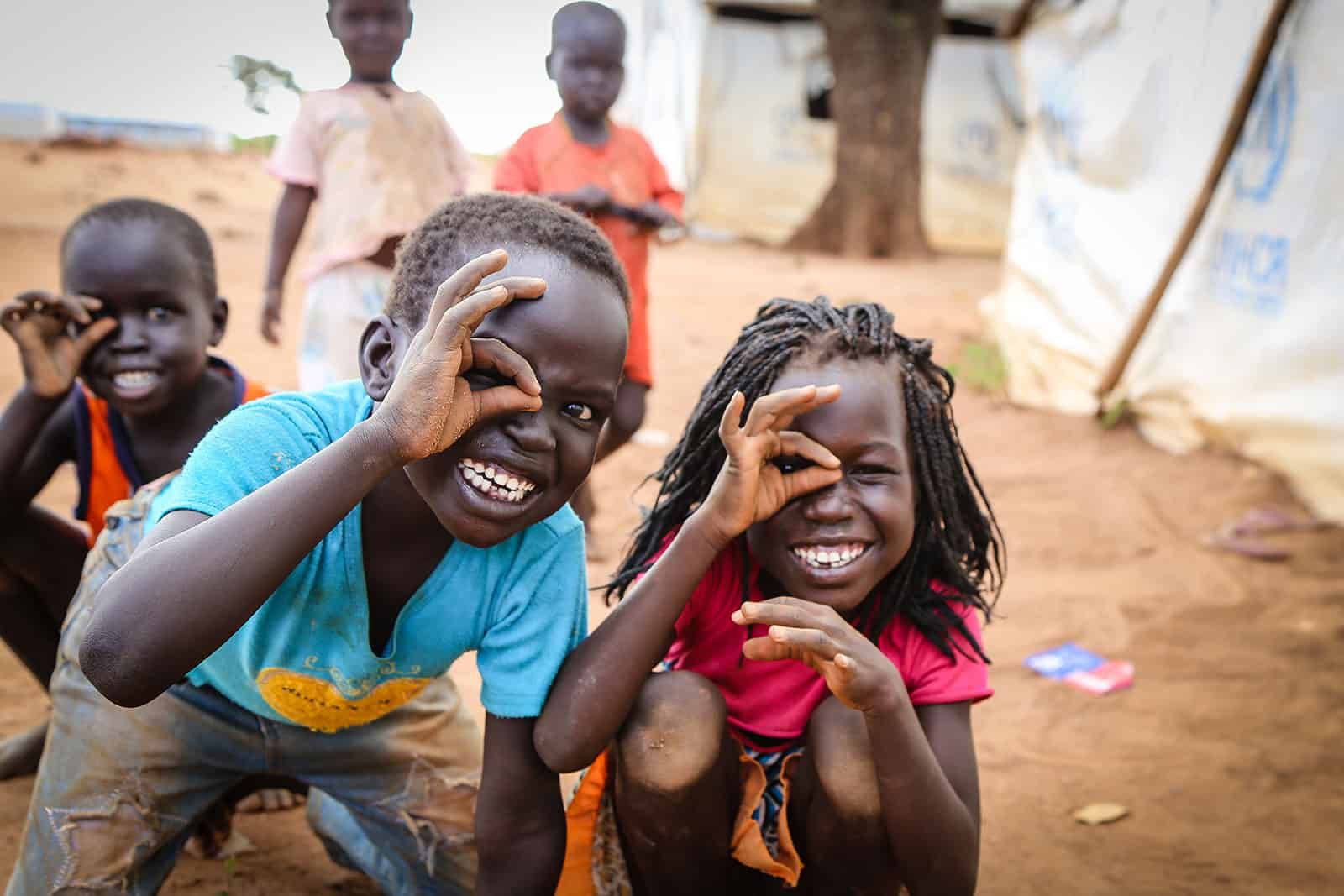
Through the eyes of a child, even the most mundane tasks—grocery shopping, walking in the park, bedtime stories—take on a new life. Their curiosity and enthusiasm breathe spontaneity into daily routines, breaking the predictability that often accompanies adulthood. The joy they bring isn't always loud or dramatic; sometimes it's in the quiet moments—a small hand holding yours, a whispered "I love you," a shared look of pride. Children remind us that life, in all its chaos and imperfection, is still profoundly beautiful and worth celebrating.
Families are more than groups of people—they are carriers of identity, tradition, and legacy. And children are the vessels through which these are passed on. They absorb stories, customs, beliefs, and values, often without realizing it. A bedtime tale told by a grandfather, a recipe handed down from generations, a lullaby sung softly at night—all become part of the child's inner world. In turn, these elements shape how they see themselves and their place in the world.
By raising children, families preserve their cultural and spiritual roots. They ensure that the wisdom, experiences, and even the mistakes of previous generations are not lost but rather refined and carried forward. Children provide families with continuity. They represent the hope that what we build and believe will not end with us, but will evolve and endure. In this way, children link the past to the future, grounding families in something timeless and deeply meaningful.
The impact of children extends far beyond the walls of their homes. Children who grow up in loving, supportive families tend to become emotionally healthy, socially responsible, and ethically grounded adults. These individuals then go on to build stronger communities, workplaces, and eventually families of their own. The lessons children learn at home—how to treat others, how to handle conflict, how to express love—form the foundation of a more compassionate and cohesive society.
Families with children, therefore, aren’t just nurturing individuals; they’re indirectly shaping the collective future. A child taught kindness will spread kindness. A child who experiences empathy will be more likely to act with empathy. It’s a ripple effect that starts in the home but touches every corner of society. In this way, the role of children in families is both personal and profoundly public.






0 comments