
Your Read is on the Way
Every Story Matters
Every Story Matters
The Hydropower Boom in Africa: A Green Energy Revolution Africa is tapping into its immense hydropower potential, ushering in an era of renewable energy. With monumental projects like Ethiopia’s Grand Ethiopian Renaissance Dam (GERD) and the Inga Dams in the Democratic Republic of Congo, the continent is gearing up to address its energy demands sustainably while driving economic growth.
Northern Kenya is a region rich in resources, cultural diversity, and strategic trade potential, yet it remains underutilized in the national development agenda.
Can AI Help cure HIV AIDS in 2025

Why Ruiru is Almost Dominating Thika in 2025

Mathare Exposed! Discover Mathare-Nairobi through an immersive ground and aerial Tour- HD

Bullet Bras Evolution || Where did Bullet Bras go to?
Barack Hussein Obama II was born on August 4, 1961, in Honolulu, Hawaii. He is the son of Barack Obama Sr., a Kenyan economist from Nyang'oma Kogelo, and Ann Dunham, an American anthropologist from Kansas. His parents met while studying at the University of Hawaii but separated when Obama was two years old and later divorced.
Obama’s mother later married Lolo Soetoro, an Indonesian geographer, which led the family to move to Jakarta. Obama lived in Indonesia from ages six to ten, attending local schools and experiencing a vastly different culture. In 1971, he returned to Hawaii to live with his maternal grandparents, where he attended the prestigious Punahou School.
Obama graduated from Punahou School in 1979 and went on to study at Occidental College in Los Angeles. After two years, he transferred to Columbia University in New York City, where he earned a Bachelor of Arts in Political Science with a specialization in international relations in 1983.
Following his undergraduate studies, Obama worked in New York and later moved to Chicago in 1985 to become a community organizer with a church-based group seeking to improve living conditions in poor neighborhoods. His experiences in Chicago deeply influenced his decision to enter public service.
In 1988, Obama enrolled at Harvard Law School. There, he made history by becoming the first African American president of the Harvard Law Review. He graduated magna cum laude in 1991 and returned to Chicago to practice civil rights law and teach constitutional law at the University of Chicago Law School.
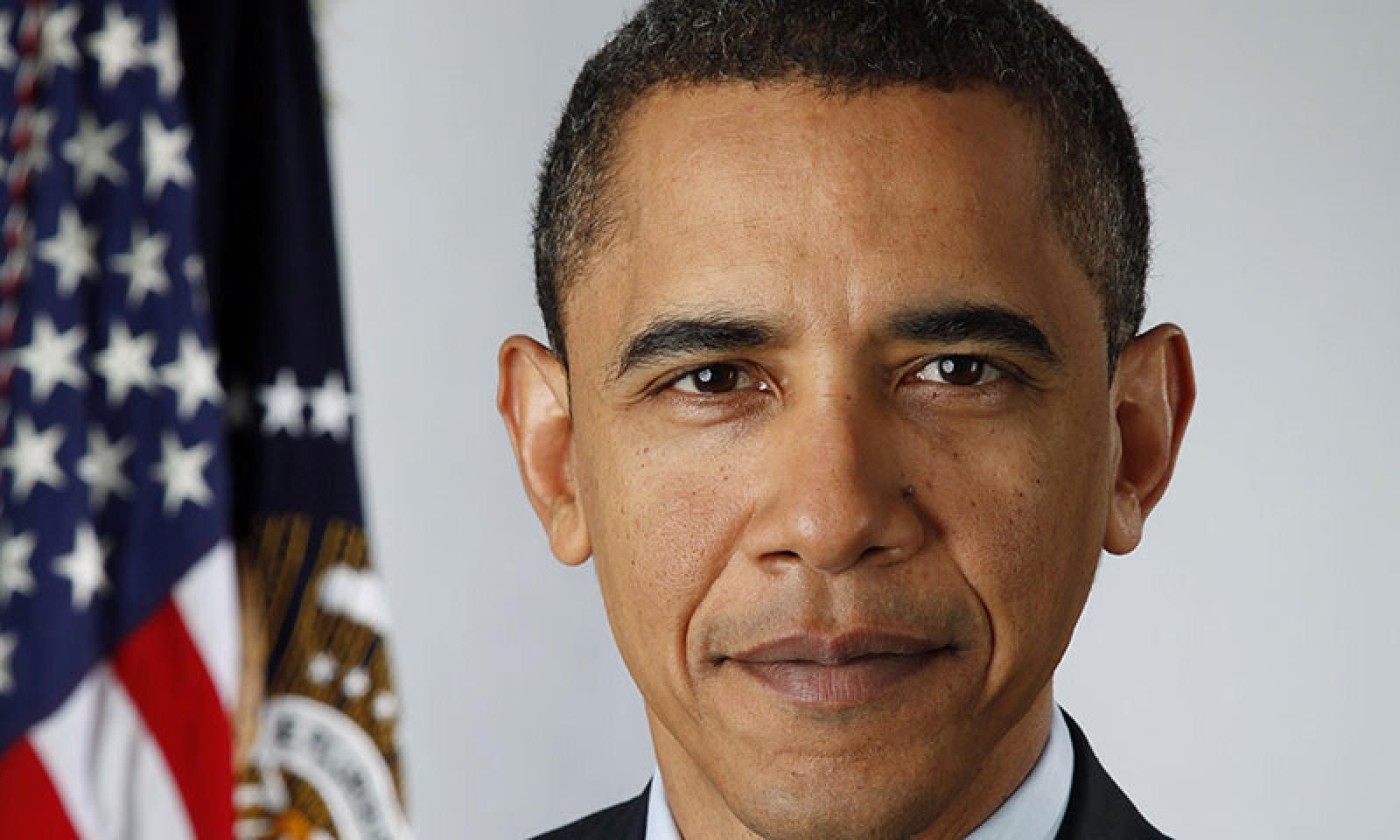
In 1996, Barack Obama was elected to the Illinois State Senate, where he served three terms. During his tenure, he worked on legislation related to ethics reform, health care, law enforcement practices, and early childhood education.
In 2004, Obama gained national recognition after delivering the keynote address at the Democratic National Convention. Later that year, he was elected to the United States Senate, representing Illinois. In the Senate, Obama worked on issues including nuclear nonproliferation, government transparency, and veterans’ affairs.
In February 2007, Obama announced his candidacy for President of the United States. Running on a platform of change, hope, and unity, he won a hard-fought Democratic primary against Senator Hillary Clinton. He chose Senator Joe Biden of Delaware as his running mate.
In the general election of November 2008, Obama defeated Republican nominee Senator John McCain, becoming the 44th President of the United States and the first African American to hold the office. He was inaugurated on January 20, 2009.
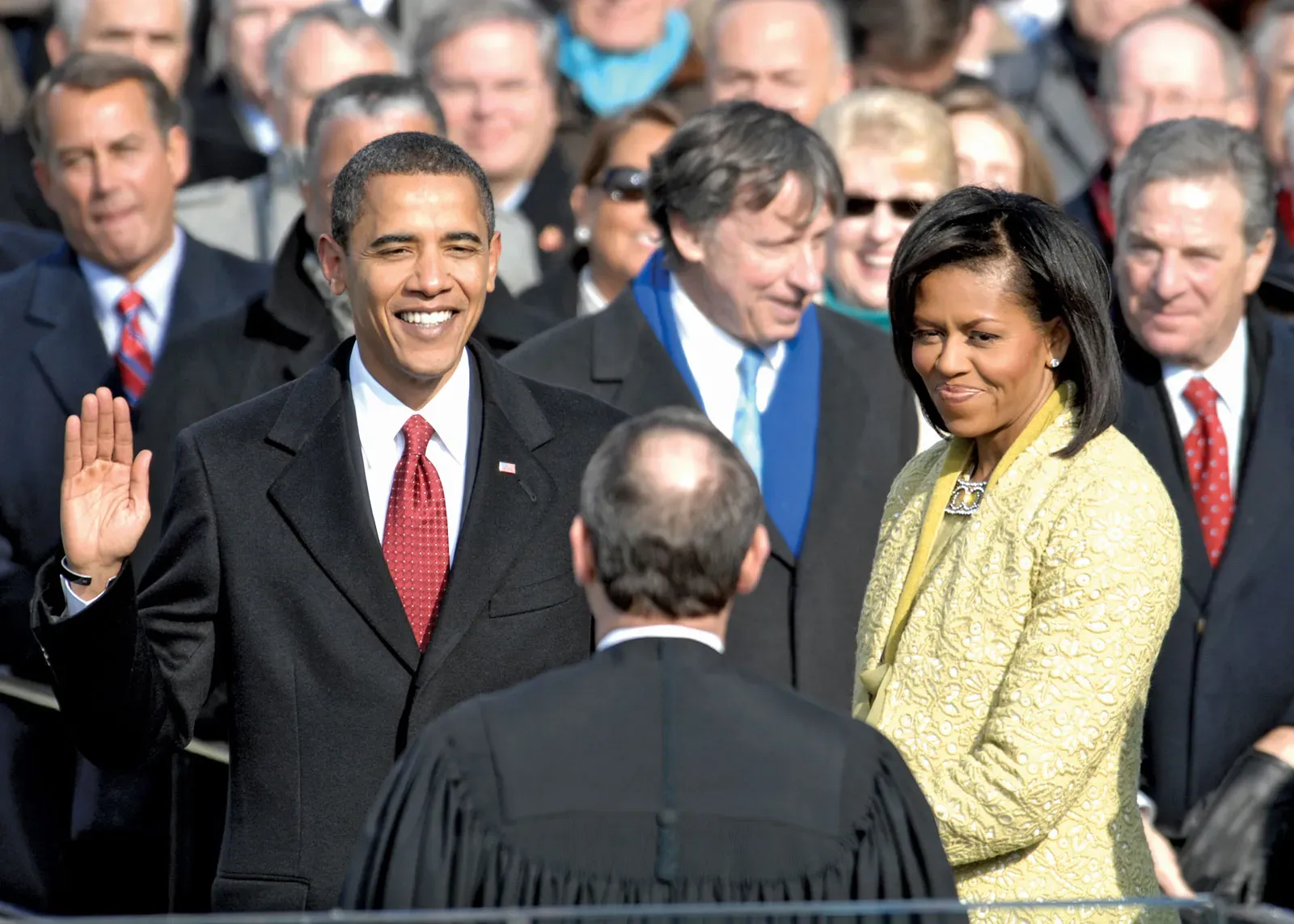
Barack Obama entered office during the Great Recession. His administration enacted the American Recovery and Reinvestment Act, a major stimulus package aimed at reviving the economy. He also oversaw the bailout of the automobile industry and reforms in Wall Street regulation.
One of the most significant achievements of his first term was the passage of the Affordable Care Act (ACA) in 2010, which expanded healthcare coverage to millions of Americans.
In foreign policy, Obama ordered the operation that led to the death of Osama bin Laden in 2011. His administration also ended combat operations in Iraq and increased focus on multilateral diplomacy.
Reelected in 2012 after defeating Republican candidate Mitt Romney, Obama’s second term focused on issues such as climate change, immigration reform, and gun control.
His administration took major steps in environmental policy, including the Clean Power Plan and U.S. participation in the 2015 Paris Climate Agreement. Obama also worked to normalize relations with Cuba and supported the Iran nuclear deal to prevent Iran from developing nuclear weapons.
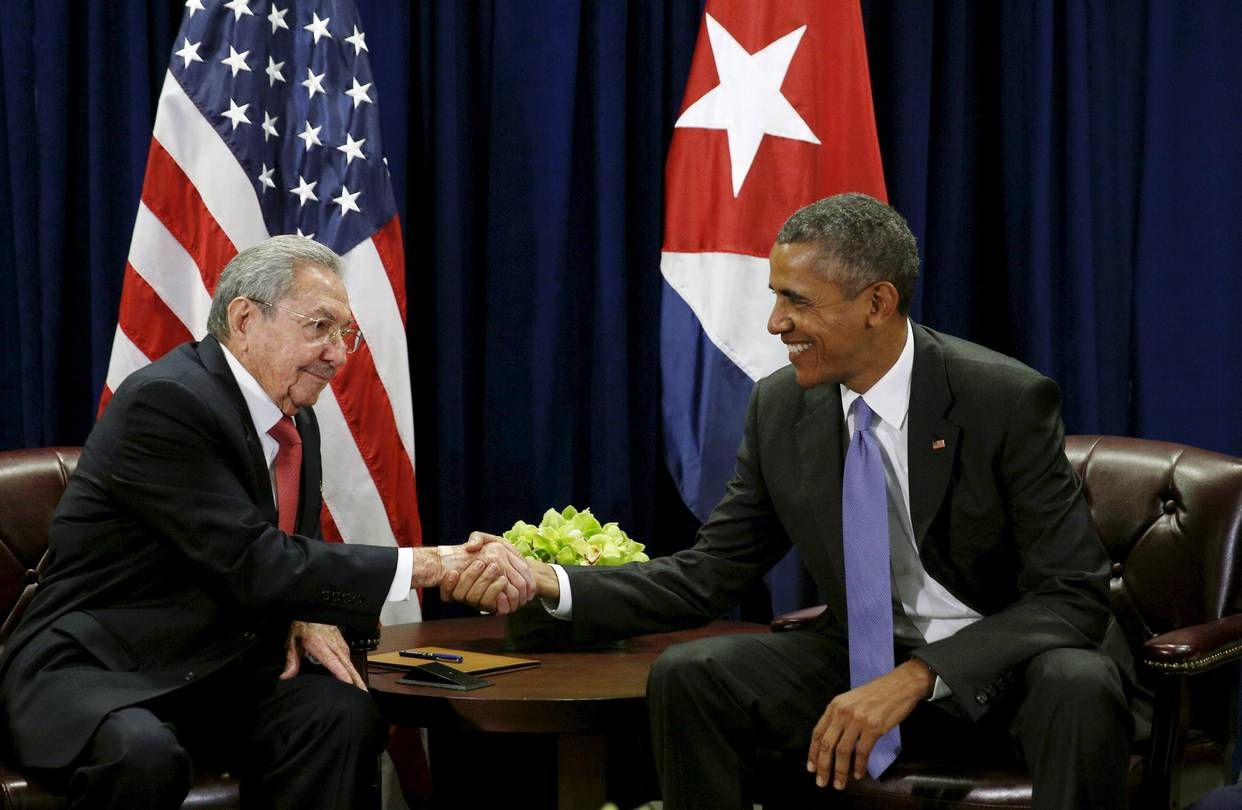
Domestically, Obama endorsed the legalization of same-sex marriage, addressed mass incarceration through criminal justice reforms, and called for comprehensive immigration policy reforms, though many of these efforts were blocked by Congress.
After leaving office in January 2017, Barack Obama remained active in public and civic life. He and Michelle Obama launched the Obama Foundation to support leadership development, community engagement, and global citizenship.
He has delivered speeches worldwide, weighed in selectively on political matters, and has remained a prominent voice in global issues. In 2020, he published the first volume of his presidential memoir, A Promised Land.
Barack Obama’s personal life has played a significant role in shaping his public image and legacy. He met Michelle Robinson in 1989 while working at the Chicago law firm Sidley Austin, where she was assigned as his mentor. Their relationship blossomed quickly, and they married on October 3, 1992. Michelle Obama would later become a prominent First Lady, admired for her poise, intellect, and advocacy.
The couple has two daughters: Malia Ann Obama (born 1998) and Natasha Marian "Sasha" Obama (born 2001). The Obamas have been praised for maintaining a strong, grounded family life amidst the intense scrutiny of political life. They were the first African American First Family, and their presence in the White House served as a cultural and historical milestone for millions.
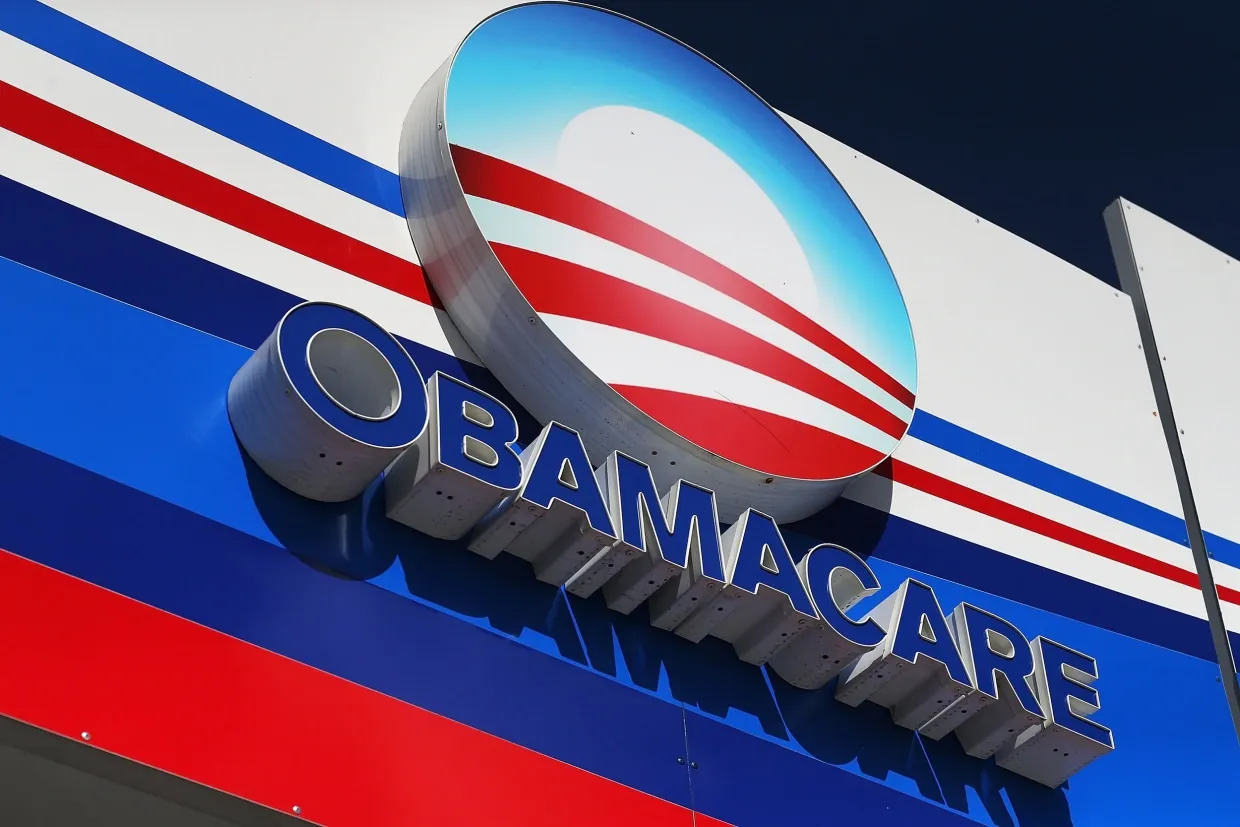
Barack Obama’s legacy is multifaceted and continues to evolve. His most enduring achievement is perhaps the Affordable Care Act (ACA), also known as "Obamacare," which expanded health insurance to over 20 million Americans and reshaped the national conversation around healthcare access and equity.
In economic policy, Obama is credited with stabilizing the U.S. economy after the 2008 financial crisis. His administration passed the Dodd-Frank Act, which introduced significant financial regulation reforms aimed at preventing future economic collapses.
In foreign policy, Obama favored diplomacy over military action. His decision to authorize the mission that led to the death of Osama bin Laden was widely lauded. His efforts to normalize relations with Cuba, negotiate the Iran nuclear deal, and support international agreements like the Paris Climate Accord reflect a commitment to multilateralism.
In many global and academic circles, Barack Obama is regarded as a transformational figure—a president who elevated discourse, pursued pragmatic progress, and represented the aspirations of a diverse and modern America.






0 comments