
Your Read is on the Way
Every Story Matters
Every Story Matters
The Hydropower Boom in Africa: A Green Energy Revolution Africa is tapping into its immense hydropower potential, ushering in an era of renewable energy. With monumental projects like Ethiopia’s Grand Ethiopian Renaissance Dam (GERD) and the Inga Dams in the Democratic Republic of Congo, the continent is gearing up to address its energy demands sustainably while driving economic growth.
Northern Kenya is a region rich in resources, cultural diversity, and strategic trade potential, yet it remains underutilized in the national development agenda.

Can AI Help cure HIV AIDS in 2025

Why Ruiru is Almost Dominating Thika in 2025

Mathare Exposed! Discover Mathare-Nairobi through an immersive ground and aerial Tour- HD

Bullet Bras Evolution || Where did Bullet Bras go to?
Energy drinks have become a daily habit for millions around the world. Whether it’s to power through a late-night shift, prepare for an exam, or get an edge at the gym, these drinks promise alertness and performance. But what are the actual health benefits of energy drinks—and what are the hidden risks beneath the surface?
Energy drinks work fast because of one key ingredient: caffeine. Typically, a single can contains between 80 to 200 mg of caffeine—roughly the equivalent of two cups of coffee. Caffeine stimulates the central nervous system, making you feel more awake, focused, and alert.
In addition to caffeine, these drinks often include sugar, B-vitamins, taurine, and other herbal stimulants like guarana. Combined, they create a cocktail that can:
-Improve concentration and short-term memory
-Increase stamina and endurance in physical activity
-Boost mood temporarily and reduce the perception of fatigue
1.Sharper Focus and Mental Clarity
The rush of caffeine can improve reaction time, increase alertness, and reduce the effects of sleep deprivation for a few hours.
2.Increased Physical Output
For athletes, moderate caffeine intake has been shown to enhance physical performance, especially in endurance sports.
3.Enhanced Motivation
Some users report feeling more motivated or euphoric shortly after consuming an energy drink—thanks to the dopamine effects triggered by caffeine and sugar.
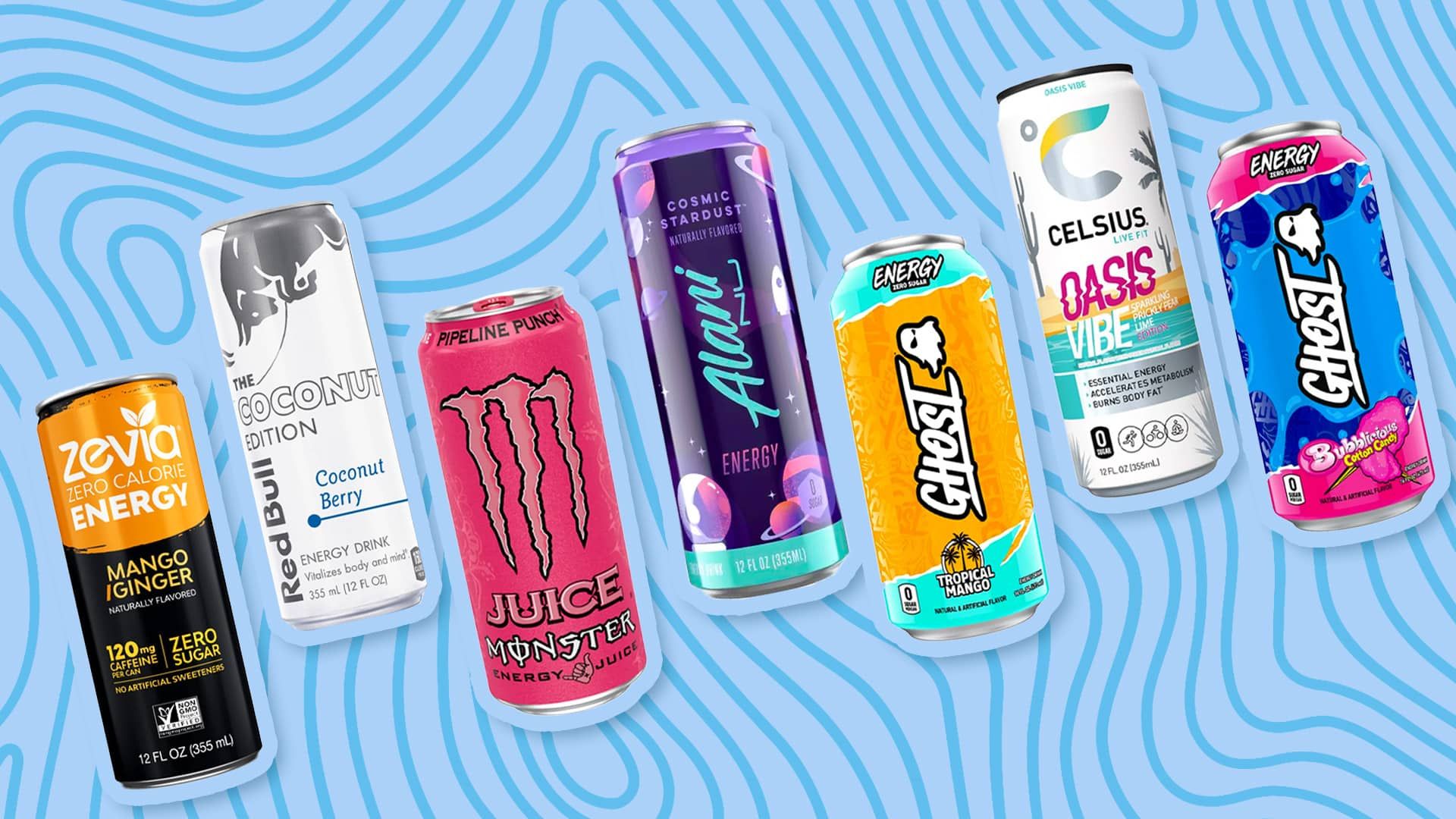
Despite the benefits, energy drinks aren’t without risks. Their short-term rewards can lead to long-term problems if consumed excessively or carelessly.
1.Caffeine Overload
Too much caffeine can cause restlessness, irritability, heart palpitations, high blood pressure, and in severe cases, arrhythmia. People with heart conditions or anxiety disorders are especially vulnerable.
2.Sugar and Weight Gain
Some energy drinks contain over 50 grams of sugar per can—more than your recommended daily intake. This can contribute to obesity, insulin resistance, and dental problems over time.
3.Sleep Disruption
Drinking an energy drink late in the day can interfere with sleep, even if you don’t feel jittery. Poor sleep, in turn, leads to fatigue and greater reliance on stimulants.
4.Addiction and Dependency
Habitual use can lead to physical dependence on caffeine. Missing a daily drink might trigger withdrawal symptoms like headaches, irritability, and sluggishness.
5.Artificial Additives and Unknown Effects
Some ingredients like taurine, glucuronolactone, and ginseng are still being studied. While generally considered safe in small amounts, their long-term effects when combined with high doses of caffeine aren’t fully understood.
-Limit intake to one can per day, and avoid drinking it daily.
-Avoid combining with alcohol—it masks intoxication and increases risky behavior.
-Drink them in the morning or early afternoon, never close to bedtime.
-Stay hydrated with water, especially during exercise.
-Opt for sugar-free versions, but be cautious of artificial sweeteners.
Energy drinks can offer a temporary edge—but they’re not magic potions. The body gets a short-term lift, but often pays a longer-term price if use becomes frequent. Used occasionally and thoughtfully, they can help you push through a tough day or a demanding workout. But relying on them regularly can take a toll on your heart, metabolism, sleep, and mental well-being.






0 comments