
Your Read is on the Way
Every Story Matters
Every Story Matters
The Hydropower Boom in Africa: A Green Energy Revolution Africa is tapping into its immense hydropower potential, ushering in an era of renewable energy. With monumental projects like Ethiopia’s Grand Ethiopian Renaissance Dam (GERD) and the Inga Dams in the Democratic Republic of Congo, the continent is gearing up to address its energy demands sustainably while driving economic growth.
Northern Kenya is a region rich in resources, cultural diversity, and strategic trade potential, yet it remains underutilized in the national development agenda.
Can AI Help cure HIV AIDS in 2025

Why Ruiru is Almost Dominating Thika in 2025

Mathare Exposed! Discover Mathare-Nairobi through an immersive ground and aerial Tour- HD

Bullet Bras Evolution || Where did Bullet Bras go to?
Teenage pregnancy is more than a social concern in Africa—it’s a cultural, health, and economic emergency quietly transforming the fabric of communities. From rural villages to urban centers, millions of girls between the ages of 13 and 19 become mothers before they even get a chance to understand themselves. And while statistics offer raw numbers, the reality is far more complex. In many African societies, early pregnancy is both a symptom and a cause of deeply embedded structural inequities—ones that hurt not only the girl but entire generations after her.
One of the most immediate and visible consequences of early pregnancy is educational disruption. Schools in many African countries have inadequate support systems for pregnant students. Girls who become mothers are often forced to drop out due to stigma, lack of childcare, or rigid school policies.
In societies where education is already a luxury, an unplanned pregnancy can spell the end of a girl’s academic journey. For many, there’s no return. This educational loss perpetuates cycles of poverty, strips young women of empowerment tools, and slashes their chances of contributing meaningfully to their economies.
The physical dangers of early pregnancy are immense. Teenage bodies are often not fully developed to handle the strains of childbirth. This increases risks of complications such as obstructed labor, eclampsia, and maternal mortality. Infants born to teenage mothers are also more likely to suffer from low birth weight, premature birth, and neonatal complications.
In areas with limited access to prenatal care, hospitals, and skilled birth attendants, these risks turn deadly. Across sub-Saharan Africa, maternal mortality remains high—much of it attributed to teenage pregnancies.
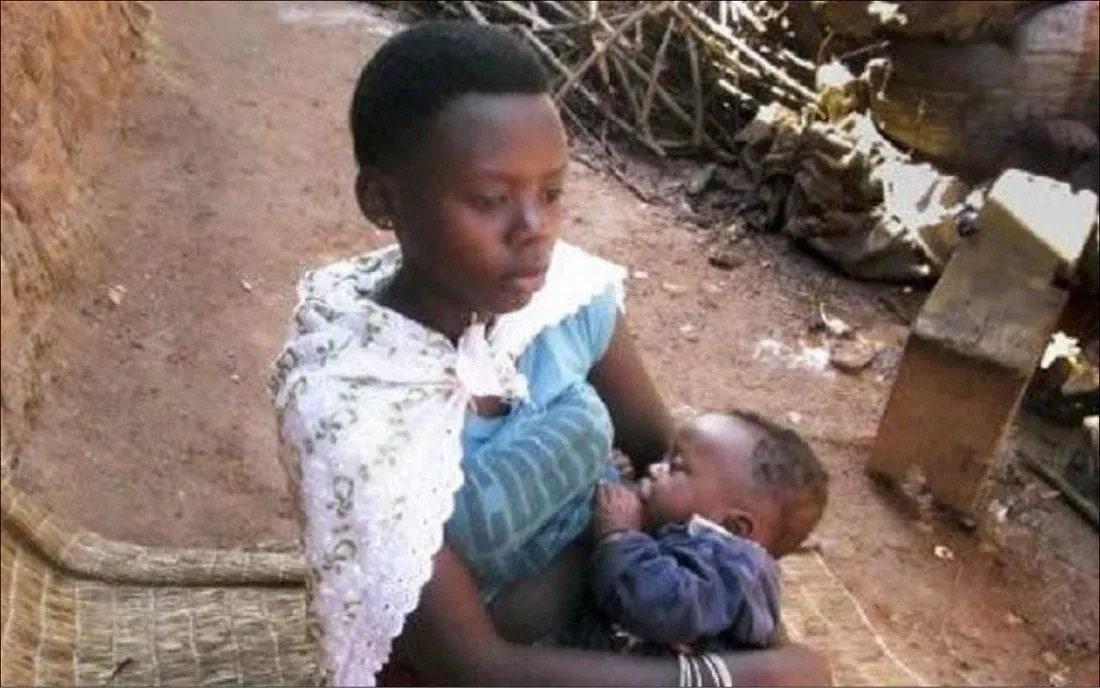
A young girl who becomes a mother prematurely often loses the opportunity to gain skills or pursue a profession. Without education or training, her options become limited to informal labor or total dependence on family or a partner. This economic limitation doesn’t just affect the mother; it extends to her child, creating a new generation locked in poverty.
For countries already grappling with development challenges, the large-scale economic impact is severe. Early pregnancies reduce the productive workforce, strain healthcare systems, and increase dependency ratios. It’s a hidden tax on national growth and long-term prosperity.
In many communities, young mothers face intense stigma and discrimination. Instead of receiving support, they are often blamed for their circumstances, leading to social isolation. In some traditional settings, a pregnancy outside wedlock is met with harsh cultural sanctions—sometimes even physical punishment.
The trauma of being rejected by family, expelled from school, and ostracized by peers can have lasting psychological effects. Moreover, in cases where early pregnancies are the result of coercion, abuse, or early marriages, the line between misfortune and violation becomes dangerously blurred.
Children of teenage mothers face an uphill battle. Studies show they are more likely to experience poor health, low academic achievement, and socio-economic instability. Without timely interventions, they become trapped in the same cycles as their mothers—early marriage, poverty, and limited opportunities.
This pattern creates an intergenerational burden that keeps entire families, and by extension communities, from breaking free from underdevelopment.
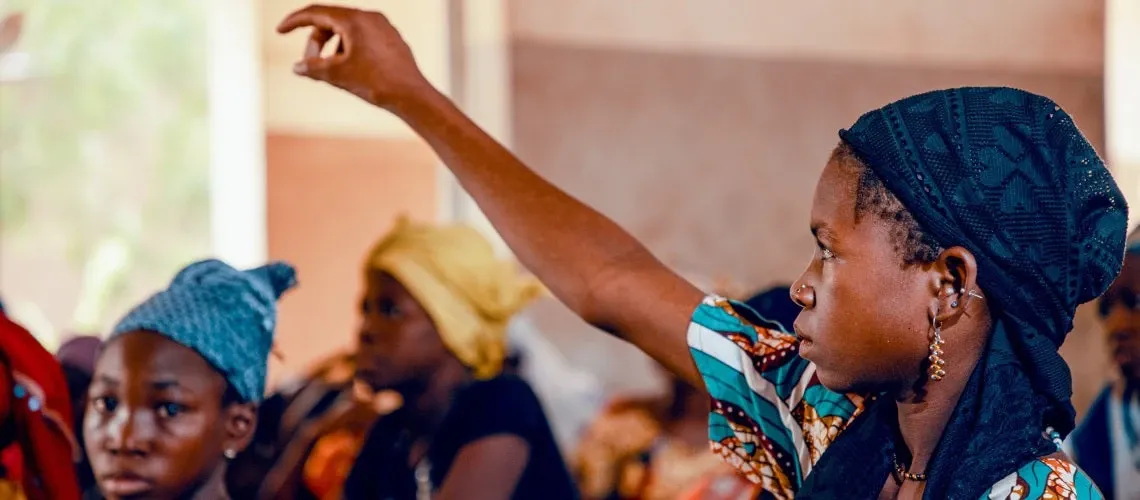
While international organizations and governments push for policy changes, deep-rooted cultural norms often stand in the way. In some parts of Africa, early marriage and childbearing are seen as traditional rites of passage. Laws banning child marriage or protecting reproductive rights are either weak or poorly enforced.
Moreover, sex education is still taboo in many African countries. Without knowledge about reproductive health, contraceptives, and consent, teenagers remain vulnerable. Even when policies exist, societal acceptance lags far behind, rendering them ineffective.
Combating early pregnancy in Africa requires a multifaceted approach. Policies must be matched with cultural engagement and education reform. Key actions include:
1.Implementing and enforcing laws against child marriage.
2.Expanding access to youth-friendly reproductive health services.
3.Integrating comprehensive sex education in school curricula.
4.Supporting re-entry programs for young mothers to continue their education.
5.Engaging parents, religious leaders, and community influencers to shift harmful cultural norms.
Programs must be local, inclusive, and deeply contextualized to succeed.
While the statistics paint a grim picture, change is possible—and already underway in some parts of Africa. From grassroots movements to national campaigns, awareness is growing. But awareness alone is not enough. A continent’s potential is tied to the empowerment of its girls. When girls are given the chance to dream before being burdened with motherhood, they don’t just change their lives—they change the world around them.






0 comments