
Your Read is on the Way
Every Story Matters
Every Story Matters
The Hydropower Boom in Africa: A Green Energy Revolution Africa is tapping into its immense hydropower potential, ushering in an era of renewable energy. With monumental projects like Ethiopia’s Grand Ethiopian Renaissance Dam (GERD) and the Inga Dams in the Democratic Republic of Congo, the continent is gearing up to address its energy demands sustainably while driving economic growth.
Northern Kenya is a region rich in resources, cultural diversity, and strategic trade potential, yet it remains underutilized in the national development agenda.

Can AI Help cure HIV AIDS in 2025

Why Ruiru is Almost Dominating Thika in 2025

Mathare Exposed! Discover Mathare-Nairobi through an immersive ground and aerial Tour- HD

Bullet Bras Evolution || Where did Bullet Bras go to?
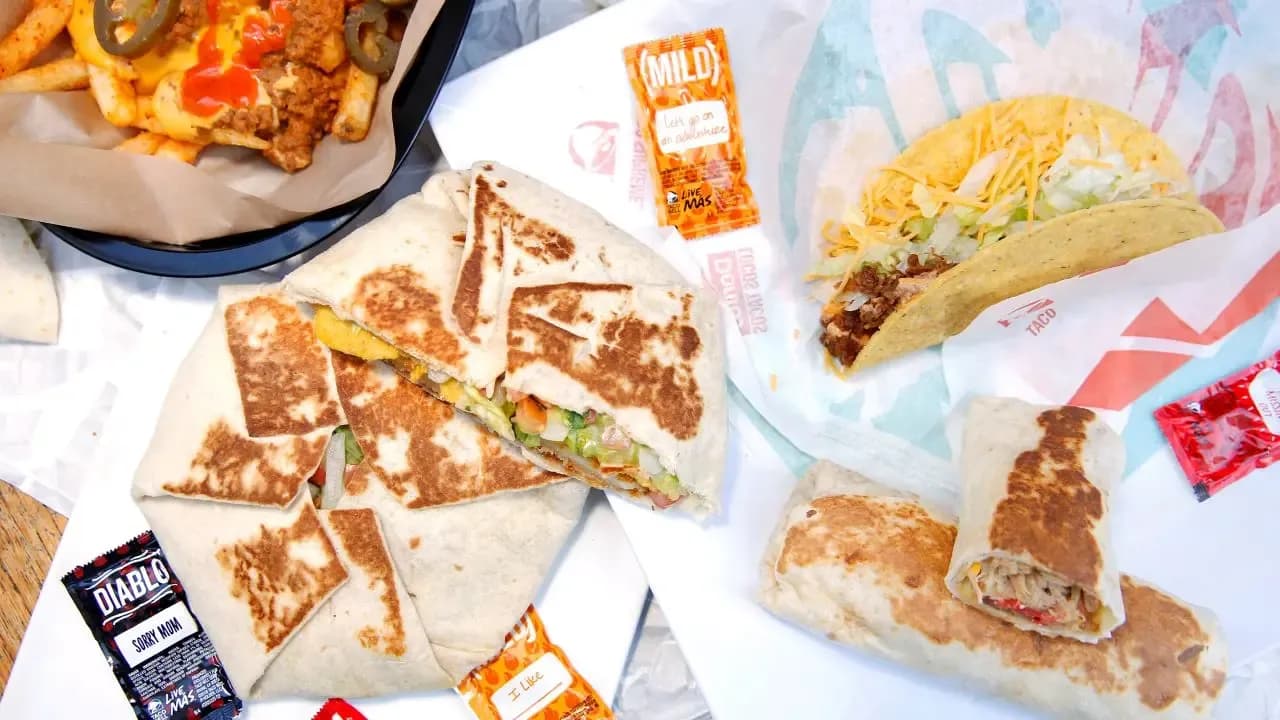
Taco Bell’s growth in the 1960s and 1970s coincided with America’s booming car culture. As suburban families spent more time on the road, the demand for fast, convenient meals skyrocketed. Taco Bell embraced the drive-thru model early, making it easy for customers to grab tacos and burritos without ever leaving their cars. Today, nearly 70% of Taco Bell’s sales come from drive-thru orders, making it one of the brand’s biggest strengths.
For decades, Taco Bell has been a staple stop on American road trips. Its affordability, wide presence along highways, and consistent menu made it the go-to fuel for travelers. The combination of tacos, burritos, and nachos provided a quick, shareable meal for people on long drives, cementing Taco Bell as part of the U.S. road trip tradition.
Taco Bell has often linked its brand to cars in creative ways. In the 1990s, the chain ran promotions with NASCAR, tapping into the love of speed and driving. More recently, Taco Bell partnered with ride-sharing services and even experimented with food delivery from cars equipped with mobile kitchens. Its futuristic "Taco Bell Defy" drive-thru in Minnesota, designed with vertical food lifts for cars, shows how the brand is still innovating around the driving experience.
While drive-thrus dominate, Taco Bell has also created urban "Cantinas" without car lanes, focusing on foot traffic in busy cities. This dual approach shows how the brand adapts—remaining essential for drivers in suburban and highway locations, while catering to pedestrians in dense urban areas.
Ultimately, Taco Bell is more than just a fast-food chain; it’s a symbol of America’s love affair with cars and convenience. From being the perfect pit stop for late-night drives to embracing futuristic drive-thru concepts, Taco Bell continues to evolve with car culture while staying rooted in its identity as a fast, fun, and affordable food destination.




0 comments