
Your Read is on the Way
Every Story Matters
Every Story Matters
The Hydropower Boom in Africa: A Green Energy Revolution Africa is tapping into its immense hydropower potential, ushering in an era of renewable energy. With monumental projects like Ethiopia’s Grand Ethiopian Renaissance Dam (GERD) and the Inga Dams in the Democratic Republic of Congo, the continent is gearing up to address its energy demands sustainably while driving economic growth.
Northern Kenya is a region rich in resources, cultural diversity, and strategic trade potential, yet it remains underutilized in the national development agenda.

Can AI Help cure HIV AIDS in 2025

Why Ruiru is Almost Dominating Thika in 2025

Mathare Exposed! Discover Mathare-Nairobi through an immersive ground and aerial Tour- HD

Bullet Bras Evolution || Where did Bullet Bras go to?
Eliud Kipkoech Lagat is a seasoned police officer who has spent more than two decades in the service of Kenya's National Police Service. His career began humbly in the General Service Unit (GSU) where he served as a mechanic, eventually rising through the ranks to become one of the most senior and decorated officers in the force. His ascent was fueled by a strong foundation in technical training and a commitment to national service.
Lagat holds a Bachelor's degree in Automotive Technology and a Master’s degree in Armed Conflict and Peace Studies. This unique academic blend has positioned him as both a technocrat and a peace-focused strategist within the police service.
Throughout his policing career, Lagat has served in a variety of highly specialized and operational capacities. He has led units tasked with handling explosives, forensics, hazardous material response, and complex criminal investigations. His reputation for technical precision and procedural adherence made him a reliable choice for assignments requiring high standards of discipline and competence.
In addition to his operational roles, Lagat has also been part of the Directorate of Criminal Investigations (DCI) where he played a role in internal reforms and organizational improvements.
Eliud Lagat was sworn in as Kenya’s Deputy Inspector General (DIG) of the Kenya Police Service in July 2024. His appointment was seen as a significant step in reinforcing discipline and public trust within the police service. Upon assuming office, Lagat launched a wave of reforms aimed at improving station hygiene, streamlining operations, and promoting professionalism among officers.
He is known for making impromptu visits to police stations across the country to inspect service conditions, welfare of officers, and the treatment of civilians. His emphasis has been on transforming the image of the police from a force feared by the public to one respected for service and integrity.
Lagat’s leadership style is characterized by a hands-on approach, visible presence in the field, and a consistent focus on ethics. His public engagements have frequently stressed accountability, human rights, and community policing. Under his direction, there has been a renewed push for digital transformation in record keeping and crime data analysis within police departments.
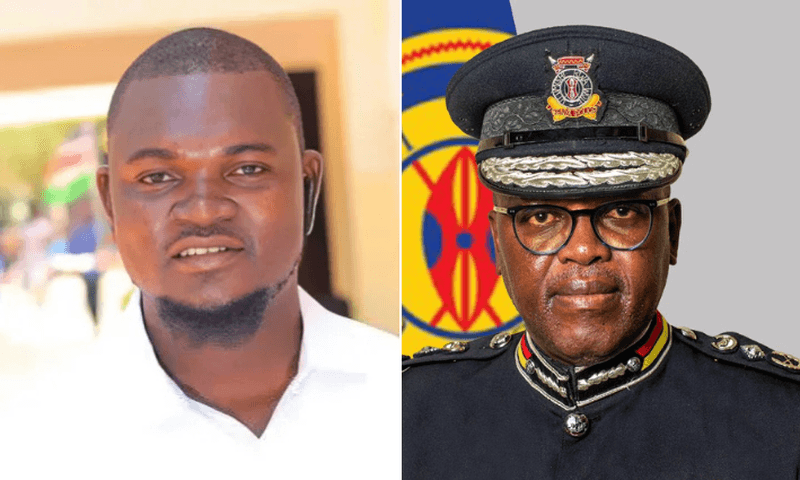
He has been awarded multiple national honors in recognition of his dedication, including the Elder of the Burning Spear (EBS), the Order of the Grand Warrior (OGW), and the Silver Star of Kenya (SS).
Despite his decorated career, DIG Lagat has recently come under intense scrutiny following the controversial death of a civilian, Albert Ojwang', while in police custody. Ojwang’ was allegedly arrested on the strength of a defamation complaint and later died under suspicious circumstances, prompting public outrage.
Lagat, reportedly linked to the initiation of Ojwang’s arrest, was accused of being indirectly complicit in the custodial death. In light of these serious allegations, he temporarily stepped aside from his duties to allow for an impartial investigation.
The incident triggered protests and demands for accountability, with several police officers arrested in connection with evidence tampering, including interference with CCTV footage. The episode has shaken public confidence and reignited concerns over police brutality and impunity.
Investigations into the circumstances surrounding Ojwang’s death are being led by oversight authorities, and public pressure continues to mount for broader police reforms. Lagat’s future in office remains uncertain, with civic groups, legal experts, and political figures calling for a transparent and decisive resolution.
This controversy has also underscored persistent structural issues within Kenya’s law enforcement apparatus. It has pushed the national dialogue further toward demanding greater transparency, citizen protection, and reforms that go beyond cosmetic institutional changes.
Eliud Lagat's story is a paradox of professionalism and controversy. From a career filled with technical expertise, disciplined service, and public trust-building, to becoming a central figure in a national debate on police accountability—his legacy now hinges on how the current investigation unfolds and the leadership decisions that follow. His case will likely shape the trajectory of Kenya’s law enforcement future and the moral compass by which justice is measured.






0 comments