
Your Read is on the Way
Every Story Matters
Every Story Matters
The Hydropower Boom in Africa: A Green Energy Revolution Africa is tapping into its immense hydropower potential, ushering in an era of renewable energy. With monumental projects like Ethiopia’s Grand Ethiopian Renaissance Dam (GERD) and the Inga Dams in the Democratic Republic of Congo, the continent is gearing up to address its energy demands sustainably while driving economic growth.
Northern Kenya is a region rich in resources, cultural diversity, and strategic trade potential, yet it remains underutilized in the national development agenda.

Can AI Help cure HIV AIDS in 2025

Why Ruiru is Almost Dominating Thika in 2025

Mathare Exposed! Discover Mathare-Nairobi through an immersive ground and aerial Tour- HD

Bullet Bras Evolution || Where did Bullet Bras go to?
In a decisive shift away from outdated fleet tracking methods, the government has directed all ministries and public agencies to install biometric driver verification systems on every official vehicle by August 29, 2025. This marks the beginning of an unprecedented state-wide cleanup aimed at curbing rampant abuse of government transportation assets.
A confidential memo from the Office of the Head of Public Service reveals that these new systems will be used to enforce driver accountability and eliminate unauthorized usage of government-owned vehicles. The biometric scanners will verify a driver’s identity in real-time before the engine can start — a move that signals the end of grey-area driving and “invisible” usage by unregistered personnel.
To enforce the rollout, the National Transport and Safety Authority (NTSA) in partnership with the Government Vehicle Check Unit (GVCU) will conduct random roadside inspections and depot audits to identify non-compliant vehicles. Cars found without the approved biometric systems will be immediately impounded, regardless of rank or ministry.
A senior NTSA compliance officer, speaking under anonymity, hinted that enforcement would be “ruthless and impartial,” noting that the days of unmonitored vehicle movement and illicit usage are numbered. “We’re not just tracking where vehicles go — we’re now tracking who is behind the wheel,” he added.
This radical shift comes amid a growing outcry over misuse of state vehicles, with documented cases of unauthorized weekend trips, nighttime missions with no paper trails, and public vehicles being used for private business. More alarmingly, reports have surfaced linking some state cars to criminal activities, including abductions and illegal goods transport.
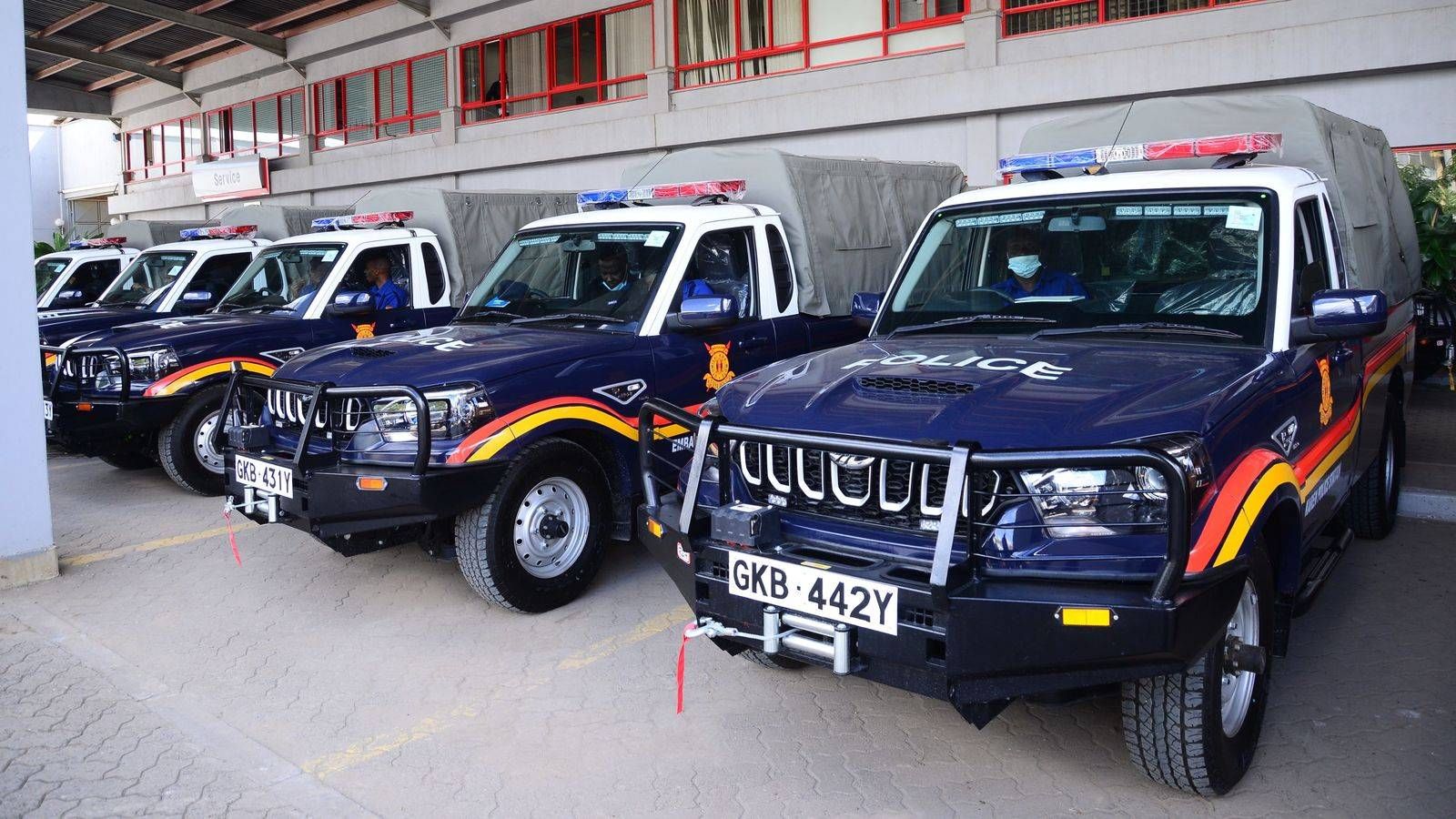
The biometric overhaul is designed to neutralize this threat by logging every user’s identity, driving pattern, and duration of use. The system will store facial recognition data and fingerprints to ensure that only approved government drivers can activate a vehicle.
The deadline has sent ripples through public departments, many of which now face logistical headaches in adapting their aging fleets. Some ministries have already issued internal tenders for biometric installation vendors, while others are exploring integration with existing fuel and maintenance tracking systems for a seamless digital audit trail.
An insider from the Ministry of Public Works acknowledged that some resistance is expected — especially from departments where vehicles have traditionally operated with little oversight. “This reform is uncomfortable, but necessary. The leakage and wastage from fleet misuse is in the billions annually,” the official stated.
From August 30, 2025, enforcement units will have the legal mandate to impound any non-compliant government car. Vehicle logs and biometric data will be routinely audited, and discrepancies may trigger investigations into departmental negligence or potential collusion.
Additionally, the biometric verification system will sync with the Treasury’s asset tracking dashboard, allowing public expenditure auditors to track each vehicle’s location and utilization in real-time. The larger goal is to digitize and sanitize the transport wing of public service.
At its core, this move is not just about efficiency — it’s about trust. With public confidence in government resource management at a low point, the biometric fleet reform signals a commitment to accountability, modernization, and national security.
The decision also comes in response to a spike in cases involving cloned number plates, disappearing cars, and untraceable drivers. Authorities believe the biometric logs will offer unforgeable trails that can aid in swift investigations and enhance road safety.






0 comments