
Your Read is on the Way
Every Story Matters
Every Story Matters
The Hydropower Boom in Africa: A Green Energy Revolution Africa is tapping into its immense hydropower potential, ushering in an era of renewable energy. With monumental projects like Ethiopia’s Grand Ethiopian Renaissance Dam (GERD) and the Inga Dams in the Democratic Republic of Congo, the continent is gearing up to address its energy demands sustainably while driving economic growth.
Northern Kenya is a region rich in resources, cultural diversity, and strategic trade potential, yet it remains underutilized in the national development agenda.

Can AI Help cure HIV AIDS in 2025

Why Ruiru is Almost Dominating Thika in 2025

Mathare Exposed! Discover Mathare-Nairobi through an immersive ground and aerial Tour- HD

Bullet Bras Evolution || Where did Bullet Bras go to?
The exhumation of 33 bodies from a burial site in Kericho County has raised serious questions about how the remains were transported and buried. What initially appeared to be a routine administrative burial process has quickly developed into a sensitive national investigation involving multiple institutions.
The discovery shocked local communities and attracted widespread public attention, especially after it emerged that the number of bodies recovered was higher than earlier estimates. This shift immediately raised concerns about documentation, authorization procedures, and the overall handling of the burials.
As investigators continue their work, the focus has now turned toward establishing the identities of the victims.
The Law Society of Kenya has taken a strong position on the matter, calling for immediate forensic identification of the exhumed bodies. According to the organization, identifying the victims is essential both for legal accountability and for giving affected families the opportunity to obtain closure.
Legal observers argue that delays in identification could complicate the investigation and weaken public confidence in the process. The call for urgency reflects broader concern that the matter requires transparent and coordinated handling by investigative agencies.
The identification process is therefore expected to become the central priority in the next phase of the inquiry.
One of the most troubling aspects of the case is the indication that many of the exhumed remains may belong to children. This detail has significantly increased the seriousness of the investigation and intensified public concern across the country.
Authorities are now expected to confirm whether proper documentation existed before the bodies were transferred and buried, and whether all procedures governing unclaimed bodies were followed correctly.
These questions remain critical to understanding whether the situation resulted from administrative failure or possible misconduct.
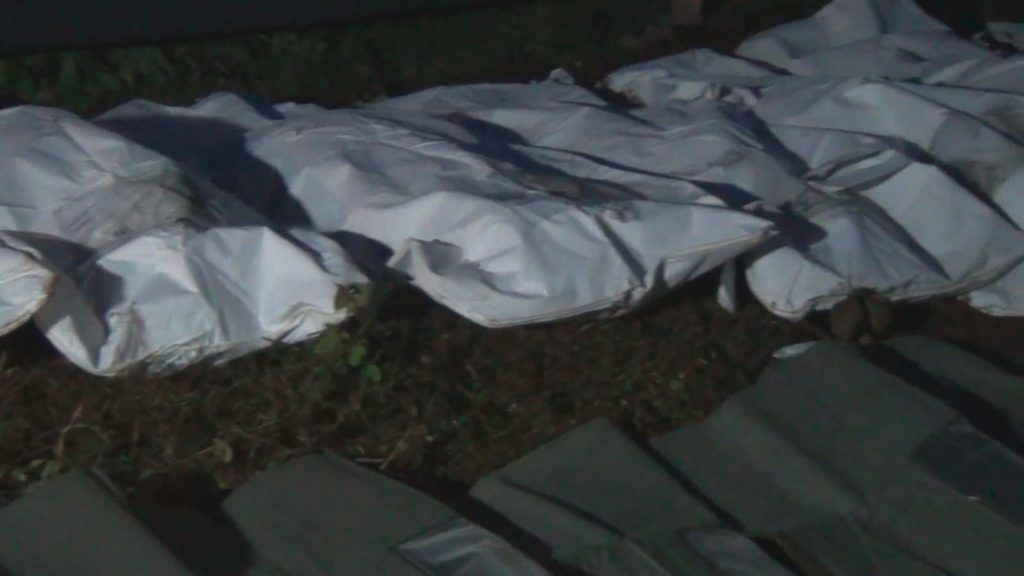
Investigators have already taken suspects into custody as part of efforts to determine how the burials were conducted. The arrests indicate that authorities are examining not only the transfer process but also the chain of approvals that authorized the burial exercise.
Officials are expected to review court documents, hospital records, and transport procedures to establish whether the process followed legal requirements.
This step signals that the investigation is moving beyond preliminary inquiries toward possible accountability measures.
Early explanations suggested that the bodies may have been transferred from a hospital facility as part of a court-approved disposal process for unclaimed remains. However, the discovery of additional bodies beyond earlier reports has created uncertainty around that explanation.
Investigators are now reviewing whether the burial permits matched the number of remains recovered and whether all legal safeguards were respected during the exercise.
Clarifying these issues is expected to shape the direction of the investigation in the coming days.
As forensic work continues, the identification of the 33 bodies is likely to determine the next steps in the case. Authorities are expected to establish the origin of the remains, confirm documentation trails, and determine whether any violations occurred during the transfer and burial process.
The outcome of this process will play an important role in restoring public confidence and ensuring accountability where necessary.



0 comments