
Your Read is on the Way
Every Story Matters
Every Story Matters
The Hydropower Boom in Africa: A Green Energy Revolution Africa is tapping into its immense hydropower potential, ushering in an era of renewable energy. With monumental projects like Ethiopia’s Grand Ethiopian Renaissance Dam (GERD) and the Inga Dams in the Democratic Republic of Congo, the continent is gearing up to address its energy demands sustainably while driving economic growth.
Northern Kenya is a region rich in resources, cultural diversity, and strategic trade potential, yet it remains underutilized in the national development agenda.

Can AI Help cure HIV AIDS in 2025

Why Ruiru is Almost Dominating Thika in 2025
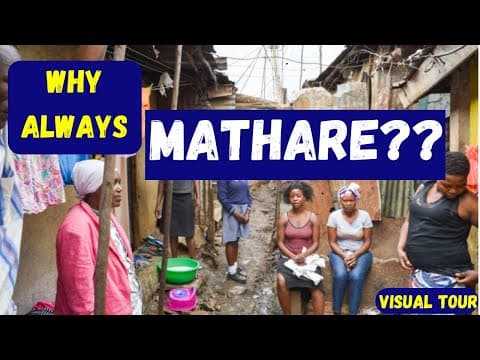
Mathare Exposed! Discover Mathare-Nairobi through an immersive ground and aerial Tour- HD

Bullet Bras Evolution || Where did Bullet Bras go to?
Mathare, one of Nairobi’s oldest and most densely populated informal settlements, is often portrayed as a place of despair—marked by poverty, crime, and inadequate infrastructure. However, for the thousands who call it home, Mathare is more than just a slum; it is a testament to human resilience, an evolving story of survival and hope against overwhelming odds. To truly grasp the essence of Mathare, one must understand its historical origins, the challenges it continues to face, and how it compares to other neighborhoods within Nairobi.
Mathare’s roots can be traced back to the post-independence era, a time when Nairobi, like many other African cities, was undergoing rapid urbanization. In the years following Kenya’s independence in 1963, thousands of rural dwellers flocked to Nairobi in search of employment and better opportunities. However, the city’s infrastructure was ill-prepared for this sudden population surge.
With limited affordable housing available, many new arrivals settled in makeshift homes, giving rise to informal settlements. Mathare, initially a small squatter community, rapidly expanded as more people arrived, seeking refuge in the city’s outskirts. The government’s failure to provide proper housing and urban planning exacerbated the situation. Without designated infrastructure, residents built homes from scrap materials—corrugated iron sheets, mud, and wood.
By the 1970s, Mathare had solidified its identity as an informal settlement. With little to no government intervention, basic amenities like water, sanitation, and electricity were scarce. Yet, despite these harsh conditions, the community continued to grow, forming a unique and self-sustaining ecosystem within the city. Families set up small businesses, and a vibrant informal economy emerged.
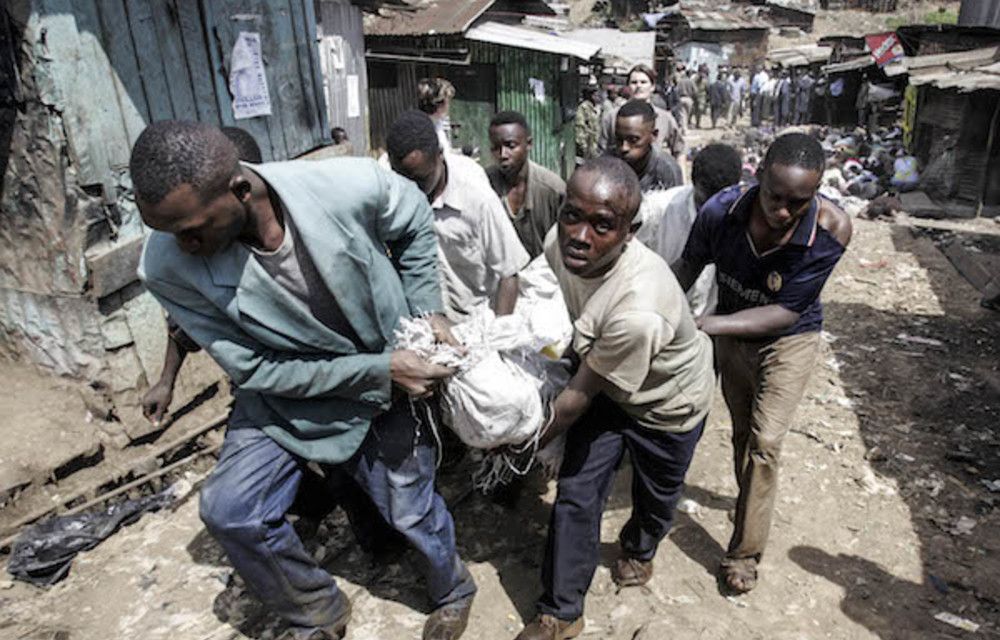
By the 1980s, Nairobi had become a city of stark contrasts—on one end, the wealthy elite enjoyed modern infrastructure and high living standards, while on the other, places like Mathare became symbols of extreme urban poverty. The disparity bred frustration and desperation among the youth, many of whom had little hope for economic advancement.
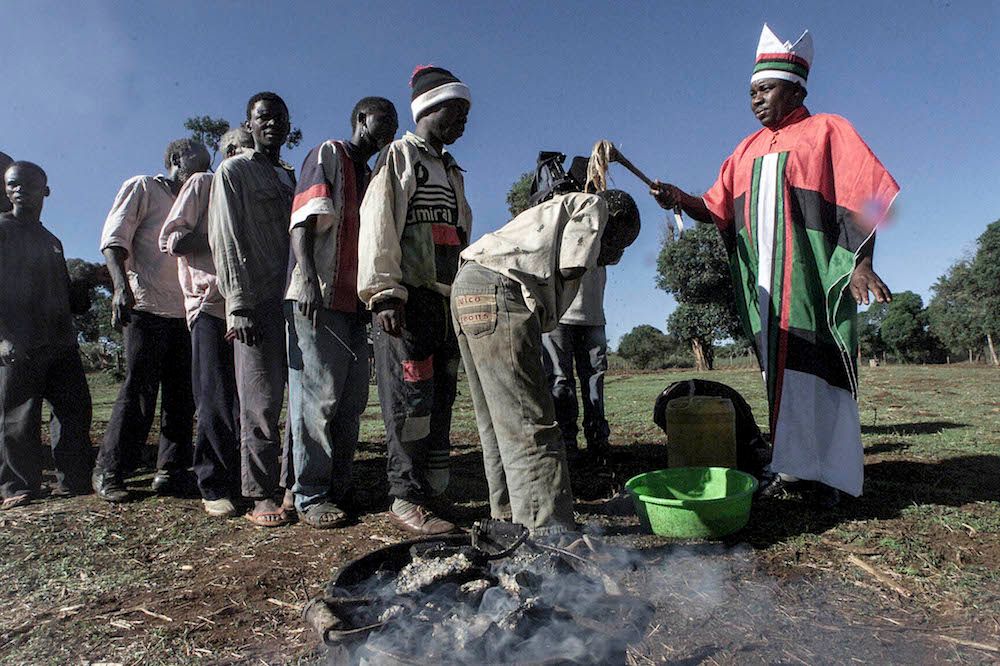
As formal employment opportunities dwindled, crime began to take root. The lack of law enforcement presence and the absence of economic opportunities created fertile ground for the rise of gang culture. The most infamous of these groups was the Mungiki, which originally emerged in the 1980s as a spiritual and cultural movement advocating for Kikuyu traditionalism. However, as time passed, Mungiki transformed into a violent, extortion-driven organization that established a stronghold in Mathare.
Mungiki imposed illegal taxation on businesses, demanded protection fees from residents, and took control of essential services such as water distribution and transportation. Those who refused to comply with their demands faced brutal retribution, and their influence soon spread beyond Mathare into other informal settlements.
In addition to organized crime, drug abuse became rampant. With limited opportunities and a growing sense of hopelessness, many young people turned to substances like heroin and chang’aa—a potent, illegally brewed alcoholic drink. The illegal brewing business flourished within Mathare, with local brewers mixing harmful chemicals to increase the potency of the drinks. The consequences were devastating: alcoholism, health complications, and increased violence.
Despite government promises of urban renewal, Mathare remains one of the most marginalized areas in Nairobi. It is one of the most densely populated settlements in the city, with thousands of residents crammed into small, makeshift homes. The lack of clean water and proper sanitation poses significant health risks, with outbreaks of diseases like cholera and typhoid being common.
While efforts to improve conditions exist, they have been slow and often inadequate. Various slum-upgrading projects have been launched over the years, but they often stall due to corruption, poor planning, or lack of follow-through. Most residents still rely on informal water vendors, often paying higher rates for unsafe water.
Security remains another pressing issue. While the influence of Mungiki has waned over the years due to government crackdowns, newer and smaller gangs have taken their place, continuing to exploit the vulnerabilities of the community. Police interventions, rather than offering protection, are often met with fear and resistance. Instances of extrajudicial killings by law enforcement in Mathare have been widely reported, with young men frequently being targeted under the guise of fighting crime.
The issue of education is equally concerning. While there are a few public schools in the area, they are overcrowded and underfunded. Many children grow up in an environment where formal education is not prioritized, and they are instead pushed into child labor or, worse, recruited into criminal activities.
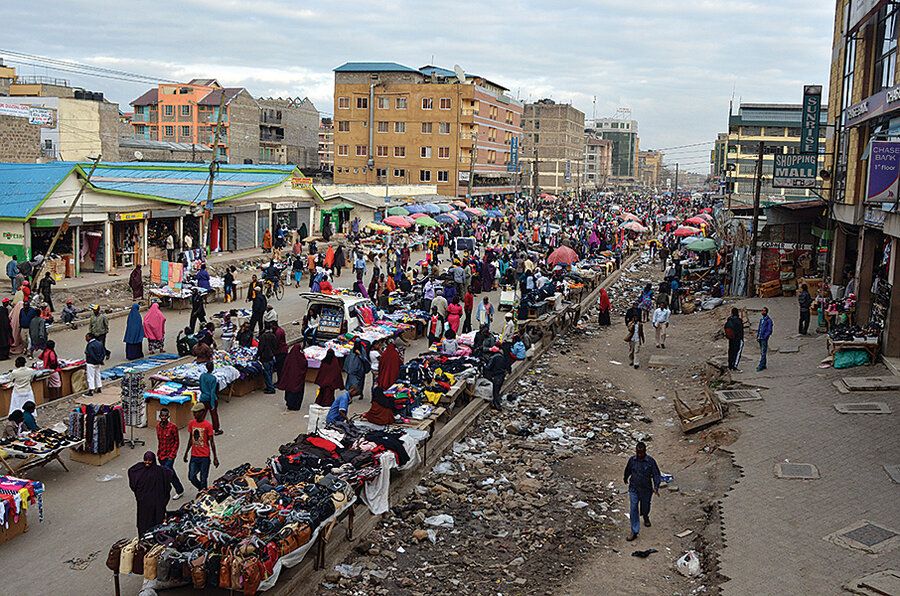
Mathare’s struggles are not unique; other informal settlements in Nairobi face similar challenges. However, when compared to neighborhoods like Eastleigh, Huruma, and Makadara, Mathare’s conditions highlight deeper systemic inequalities.

The story of Mathare is not just about suffering—it is also about resilience. The people of Mathare refuse to be defined solely by poverty. They have built a tight-knit community where solidarity is strong, and local initiatives continue to push for change.
Community-led organizations are actively working to uplift the area. Programs focusing on vocational training, entrepreneurship, and youth mentorship are providing alternatives to crime. Organizations such as Mathare Youth Sports Association (MYSA) have used sports as a tool for social change, offering young people a constructive way to spend their time and develop life skills.
Women’s groups have also played a crucial role in advocating for better housing and sanitation. Many women in Mathare are the backbone of the informal economy, running small businesses and engaging in grassroots activism. Their efforts in mobilizing for change have brought attention to issues such as forced evictions and police brutality.
The government’s role in transforming Mathare cannot be ignored. If genuine change is to be realized, authorities must shift their approach from occasional crackdowns to sustained social investment. This includes providing adequate housing, improving sanitation, ensuring accessible education, and addressing unemployment through skills development programs.
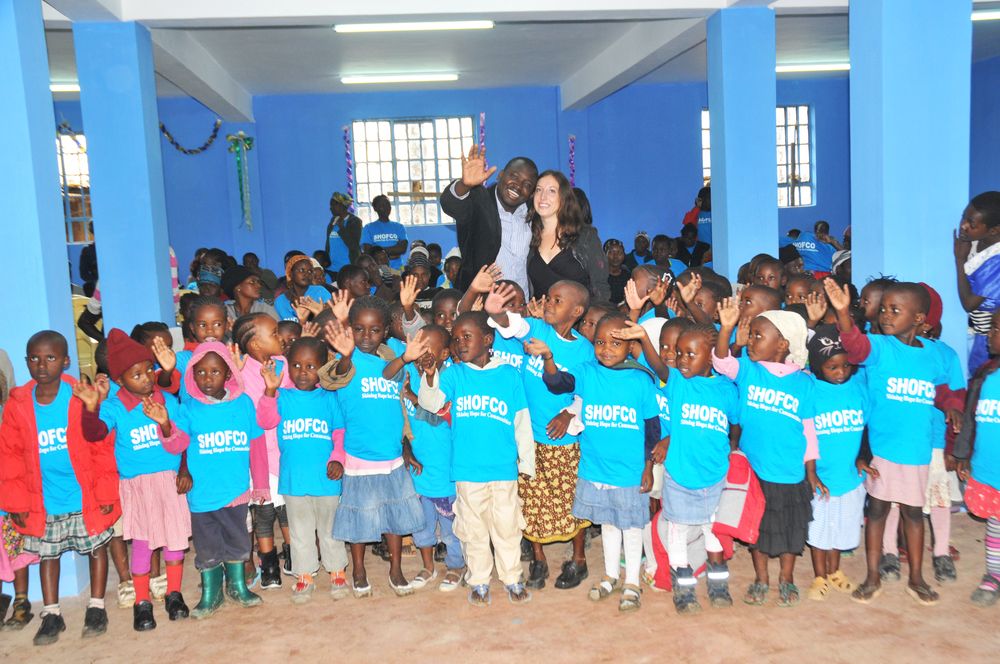
Mathare is a reflection of Nairobi’s broader socio-economic inequalities—a microcosm of both hardship and hope. While the settlement continues to struggle with crime, inadequate infrastructure, and economic stagnation, it remains a place of immense resilience.
The residents of Mathare are not passive victims of their circumstances; they are survivors who continue to fight for a better life. Through education, entrepreneurship, and grassroots activism, they are slowly rewriting the narrative of their community. Given the right resources and opportunities, Mathare has the potential to transform into a place of progress rather than one of perpetual struggle.
In the end, Mathare’s story is far from over. It is still being written by the people who wake up every day and refuse to surrender to their circumstances—choosing instead to carve out a future filled with hope and possibility.






0 comments