
Your Read is on the Way
Every Story Matters
Every Story Matters
The Hydropower Boom in Africa: A Green Energy Revolution Africa is tapping into its immense hydropower potential, ushering in an era of renewable energy. With monumental projects like Ethiopia’s Grand Ethiopian Renaissance Dam (GERD) and the Inga Dams in the Democratic Republic of Congo, the continent is gearing up to address its energy demands sustainably while driving economic growth.
Northern Kenya is a region rich in resources, cultural diversity, and strategic trade potential, yet it remains underutilized in the national development agenda.

Can AI Help cure HIV AIDS in 2025

Why Ruiru is Almost Dominating Thika in 2025

Mathare Exposed! Discover Mathare-Nairobi through an immersive ground and aerial Tour- HD

Bullet Bras Evolution || Where did Bullet Bras go to?
Equity Bank is facing an unprecedented internal storm, as over 2,000 employees face possible termination in what is being touted as a clean-up following a "compliance audit." But insiders and labor advocates are telling a different story—one of internal retaliation, strategic restructuring, and a deliberate campaign to eliminate dissent and slash salary obligations.
The firings, which have so far affected more than 200 employees and could rise to 2,000, are officially being blamed on irregular payments detected in a months-long audit launched in December 2024. The internal investigation reportedly found "unethical deposits" in both personal bank and M-Pesa accounts of employees—transactions allegedly tied to clients or vendors of the bank.
“Upon a careful analysis of your written and verbal explanations, it was established that you received amounts… under circumstances that were irregular and unethical,” reads a termination letter.
The bank framed the issue as one of gross misconduct, invoking violations of its Code of Conduct and Work Ethics. Employees were instructed to surrender company property and clear all departmental obligations before receiving final dues, including unpaid salaries, accrued leave, and one-month notice compensation.
Yet, as the narrative unfolds, it’s not just the numbers or process that has observers worried—it’s the backstory.
Whispers from within the bank point to an alternative plot: the purge was never about rogue deposits, but about compliance with a new internal regime. Several of those affected were reportedly vocal critics of upper management decisions or high-salaried legacy staff from before the 2022 restructuring wave.
Labor advocate and financial sector observer, who asked not to be named, claims:
“This is not a clean-up. It’s corporate warfare disguised as discipline. They’re removing the expensive and the outspoken, not the unethical.”
Sources close to the Human Resources department hint that some flagged employees had previously lodged formal complaints about toxic management practices or resisted new automation protocols that threatened to displace roles.
Others suspect this is part of a quiet shift in hiring strategy—out with expensive, experienced staff, and in with junior recruits who cost less and ask fewer questions.
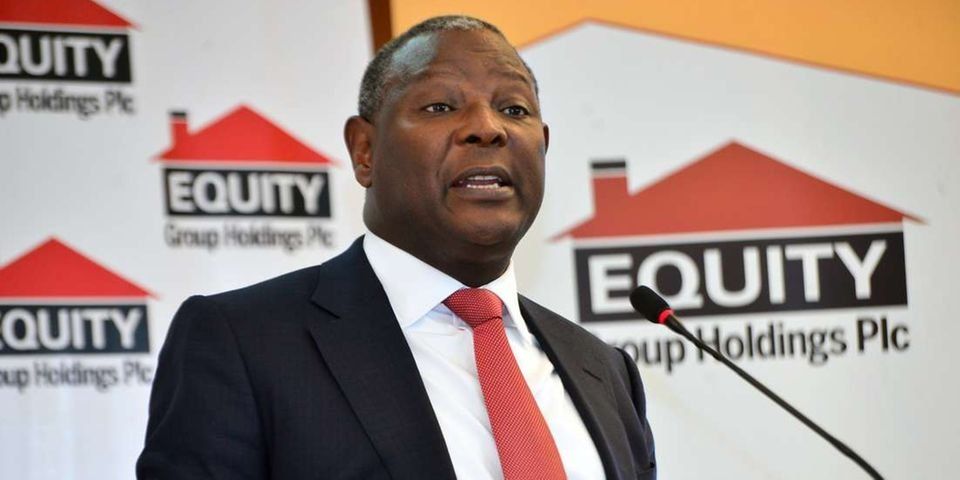
The affected employees were issued show-cause letters in April 2025, then summoned to disciplinary hearings. On paper, the process looks proper: a chance to defend themselves, appeal within 14 days, and receive severance benefits. But employees argue the outcome was pre-determined.
“You don’t call it justice when you fire first and listen later,” said one affected branch manager anonymously. “Most of us were not even shown evidence of the so-called ‘irregular’ payments.”
Some internal sources claim the audit software used was prone to flagging legitimate transactions that had simply not been properly coded in the system. But once a name landed on the list, there was little room for nuance.
While Equity Bank has not officially commented on the scale or internal motives behind the mass termination, the move has already triggered waves of anxiety within Kenya’s banking sector.
Industry observers warn this could set a dangerous precedent, where audits are used as a political tool rather than instruments of accountability.
“This is HR execution with a balance sheet motive. It’s designed to look ethical, but it’s economic,” said a former Equity executive who left last year.
In the meantime, more than 1,400 employees await their fate as the hearings continue, and labor unions call for transparency and third-party oversight.
Bottom Line:
While Equity Bank defends its purge as a standards-based cleanup, emerging evidence and employee testimony suggest a more complex and possibly darker motivation: corporate streamlining, dissent suppression, and pretextual firings under the mask of ethics. With trust shattered inside the organization, and over 2,000 livelihoods at stake, the real question now is not just who was fired—but why.






0 comments