
Your Read is on the Way
Every Story Matters
Every Story Matters
The Hydropower Boom in Africa: A Green Energy Revolution Africa is tapping into its immense hydropower potential, ushering in an era of renewable energy. With monumental projects like Ethiopia’s Grand Ethiopian Renaissance Dam (GERD) and the Inga Dams in the Democratic Republic of Congo, the continent is gearing up to address its energy demands sustainably while driving economic growth.
Northern Kenya is a region rich in resources, cultural diversity, and strategic trade potential, yet it remains underutilized in the national development agenda.

Can AI Help cure HIV AIDS in 2025

Why Ruiru is Almost Dominating Thika in 2025

Mathare Exposed! Discover Mathare-Nairobi through an immersive ground and aerial Tour- HD

Bullet Bras Evolution || Where did Bullet Bras go to?
Eric Omondi’s journey from celebrated comedian to fearless social crusader is nothing short of remarkable. Once Kenya’s most recognized comedic figure, known for his sharp impersonations and witty parodies, Omondi has since repurposed his platform to battle the very real and painful issues that plague millions of Kenyans every day. The transformation wasn’t accidental or staged — it was born out of frustration, observation, and a deep sense of obligation.
Today, he’s not just entertaining Kenyans; he’s confronting the very system that has long ignored them. Omondi uses his popularity not to sell jokes, but to stir national consciousness and bring light to the darkness engulfing marginalized citizens.
Omondi’s strongest battle cry is for the youth — particularly the unemployed, underemployed, and forgotten. Kenya’s staggering unemployment rate among young people is something he highlights at every opportunity. But he doesn’t just talk. He acts. From storming Parliament to staging sit-ins and hunger strikes, Omondi has physically inserted himself into the political conversation, making it impossible for decision-makers to ignore the cries of a desperate generation.
He’s often been tear-gassed, arrested, and dragged by police during these demonstrations — all to amplify the voices of those too often silenced by bureaucracy and elitism. His actions, while confrontational, are driven by a raw desire to break the cycle of poverty and apathy that has gripped Kenya's youth for decades.
Beyond street protests, Omondi is a fierce advocate for the rights of fellow creatives. Having risen through Kenya’s entertainment ranks himself, he understands the neglect, exploitation, and poor structures that creatives face daily. He has taken on government agencies that fail to support artists, challenged broadcasters to fairly compensate performers, and exposed misuse of funds meant to nurture the creative sector.
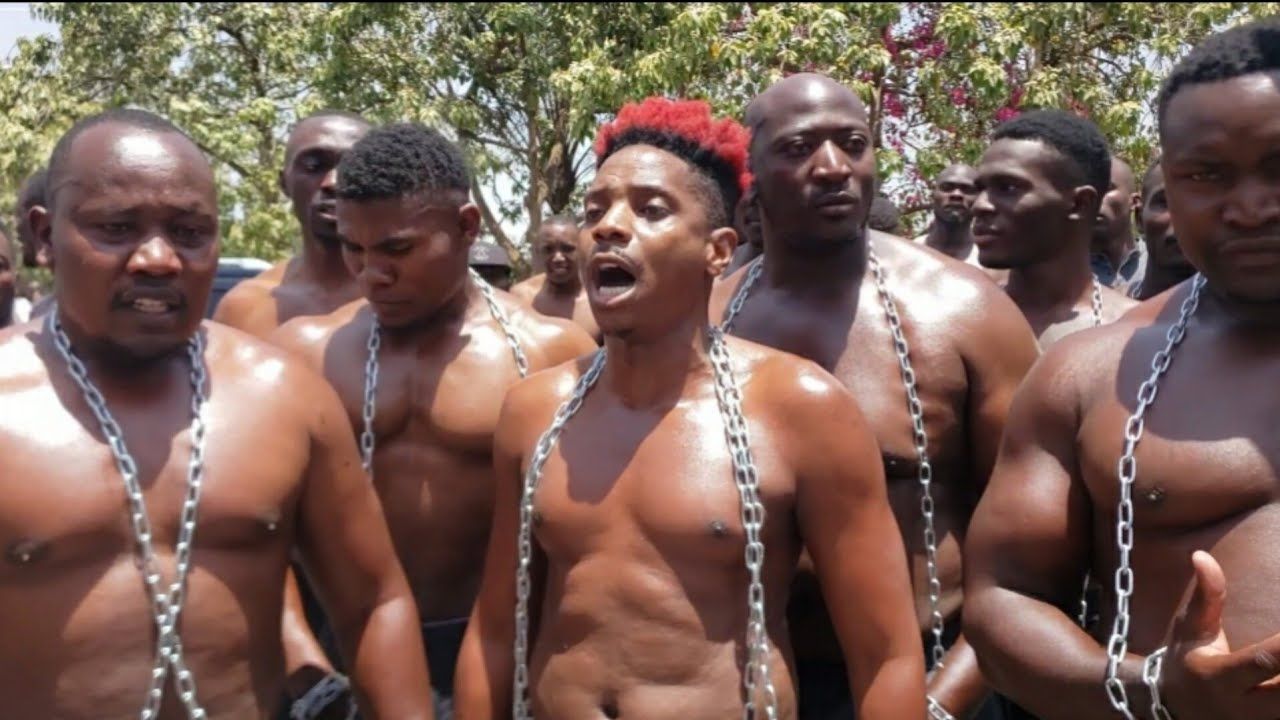
In his eyes, Kenyan artists aren’t just entertainers — they’re entrepreneurs, influencers, and ambassadors whose contributions to the economy and culture deserve respect and formal protection. His push for proper copyright enforcement and fair representation in media legislation reflects a larger goal: to ensure Kenya's creative economy thrives sustainably, not just for the stars but for the countless behind-the-scenes workers too.
Where Omondi's activism stands out is in his direct and often personal response to crisis. He doesn’t wait for NGOs or governments to act. When tragedy strikes, he shows up. Whether it’s raising emergency funds for children battling rare illnesses, footing school fees for needy students, or providing rent for families on the brink of eviction, Omondi turns his spotlight into a beacon of hope.
These acts, though sometimes overlooked by mainstream media, resonate deeply with everyday Kenyans. He’s not just a protestor — he’s a humanitarian, walking side by side with those who have been left behind, not only shouting on their behalf but reaching into his own resources to help.
Perhaps what distinguishes Eric Omondi most in today’s sociopolitical space is his uncompromising stance against leadership failures. He has openly condemned top-ranking politicians, criticized lavish government spending amidst national economic hardship, and challenged lawmakers who choose silence over service. His confrontational tactics — chaining himself to Parliament gates, leading barefoot marches, confronting police brutality — may seem unorthodox, but they reflect the growing desperation among citizens.
He doesn’t seek chaos for fame; he creates disruption to force engagement. And while this approach has earned him both admiration and backlash, it undeniably keeps the spotlight on the urgent issues Kenya continues to ignore.






0 comments