
Your Read is on the Way
Every Story Matters
Every Story Matters
The Hydropower Boom in Africa: A Green Energy Revolution Africa is tapping into its immense hydropower potential, ushering in an era of renewable energy. With monumental projects like Ethiopia’s Grand Ethiopian Renaissance Dam (GERD) and the Inga Dams in the Democratic Republic of Congo, the continent is gearing up to address its energy demands sustainably while driving economic growth.
Northern Kenya is a region rich in resources, cultural diversity, and strategic trade potential, yet it remains underutilized in the national development agenda.

Can AI Help cure HIV AIDS in 2025

Why Ruiru is Almost Dominating Thika in 2025

Mathare Exposed! Discover Mathare-Nairobi through an immersive ground and aerial Tour- HD

Bullet Bras Evolution || Where did Bullet Bras go to?
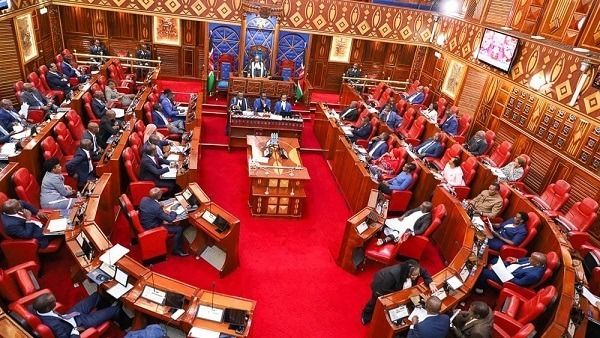
The National Assembly of Kenya has made a pivotal decision by granting a two-week extension for the recruitment of the chairperson and commissioners of the Independent Electoral and Boundaries Commission (IEBC). This extension, which comes amid the ongoing search for qualified candidates, has raised eyebrows and sparked considerable debate about its necessity and potential consequences.
Initially, the recruitment process had a strict timeline that was set to culminate in the selection of the new leadership by the end of the previous month. However, with challenges arising during the vetting process and concerns over whether all procedural requirements were being met, the extension was deemed necessary. Lawmakers argue that this extra time will allow for a more comprehensive and meticulous process. The extension is framed as a strategic move to avoid hasty decisions that could result in appointing individuals who may not be up to the task of overseeing one of the most critical institutions in Kenya—the IEBC.
For many, the extension is a sign of the National Assembly’s commitment to transparency and fairness in the recruitment process. The IEBC is responsible for overseeing Kenya's elections, which have historically been contentious and fraught with challenges. The appointment of the right individuals is crucial not just for the integrity of the electoral process, but also for maintaining public confidence in the country's democratic systems.
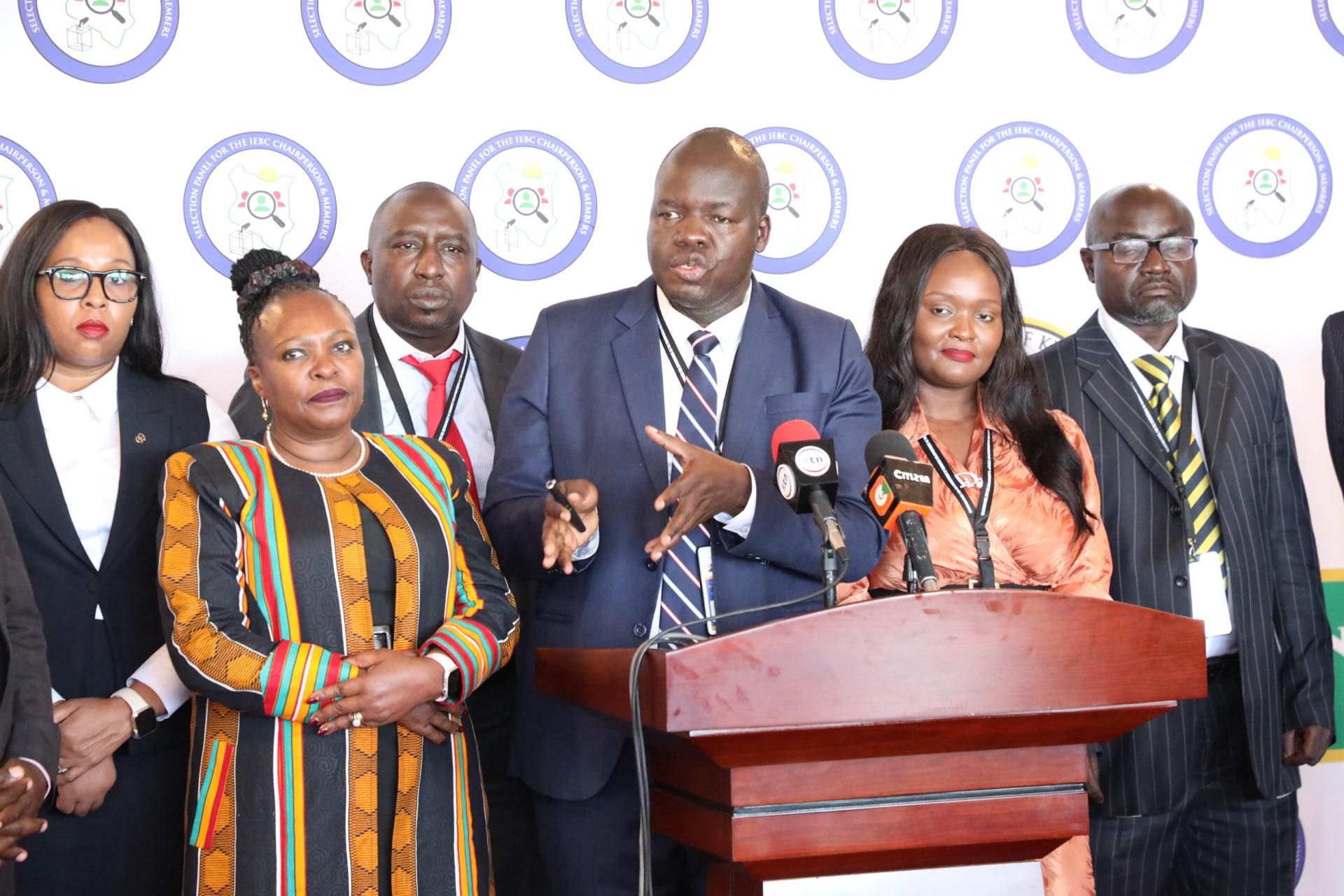
The selection panel that has been tasked with identifying the next chairperson and commissioners is already under intense scrutiny. Lawmakers and the public alike are looking for individuals who can command respect and trust, especially in a politically charged environment. With the previous timetable set to rush the process, some feared that it might exclude highly qualified candidates or allow for political influence to play a larger role than is appropriate.
While many see the two-week extension as a responsible step, others question whether this delay is truly necessary or if it represents another unnecessary hurdle in the path to electoral reform. Critics argue that the process has already been long enough and that further postponements only contribute to instability and uncertainty regarding the commission's leadership. This viewpoint stems from the fact that the IEBC’s role in ensuring credible elections is paramount, and with general elections on the horizon, any further delays could be seen as a risk to national stability.
Moreover, some have raised concerns about the implications for future elections if this process continues to drag on. The question of whether the commission will be ready in time to handle all the preparatory work required for elections has become a talking point. Voter registration, staff training, and logistical preparations all depend heavily on the IEBC leadership being in place sooner rather than later. The longer the delay in finalizing the appointments, the less time there will be to get the IEBC ready for the challenges of overseeing elections in Kenya’s complex political landscape.
At the heart of the debate surrounding this extension is the broader issue of electoral reform. For years, Kenya has struggled with election-related violence and accusations of electoral fraud. After each election cycle, there is a wave of calls for reform, but progress has often been slow. A new leadership at the IEBC could represent a fresh start, one that is capable of spearheading meaningful reforms that address past shortcomings. However, the concern is that the prolonged recruitment process could jeopardize these much-needed reforms, especially if the leadership is not in place in time to make key decisions ahead of the next election.
Many lawmakers are calling for the next IEBC leadership to prioritize credibility, inclusivity, and neutrality in their operations. They also want to ensure that the commission is able to conduct elections without the undue influence of political parties or external actors. But for that to happen, the right people need to be selected—people who are impartial, highly skilled, and ready to take on the monumental task of overseeing free and fair elections.
As the recruitment process continues with the two-week extension in place, it is clear that the National Assembly is trying to strike a balance between expedience and careful deliberation. The assembly members are not blind to the urgency of appointing the new leadership, but they also recognize that the long-term health of the electoral system is far more important than meeting arbitrary deadlines.
There is still a significant amount of work to be done before a new chairperson and commissioners are officially appointed, and the public will be watching closely to see how the process unfolds. For now, all eyes are on the IEBC, as the future leadership will play a critical role in shaping Kenya's democratic future.
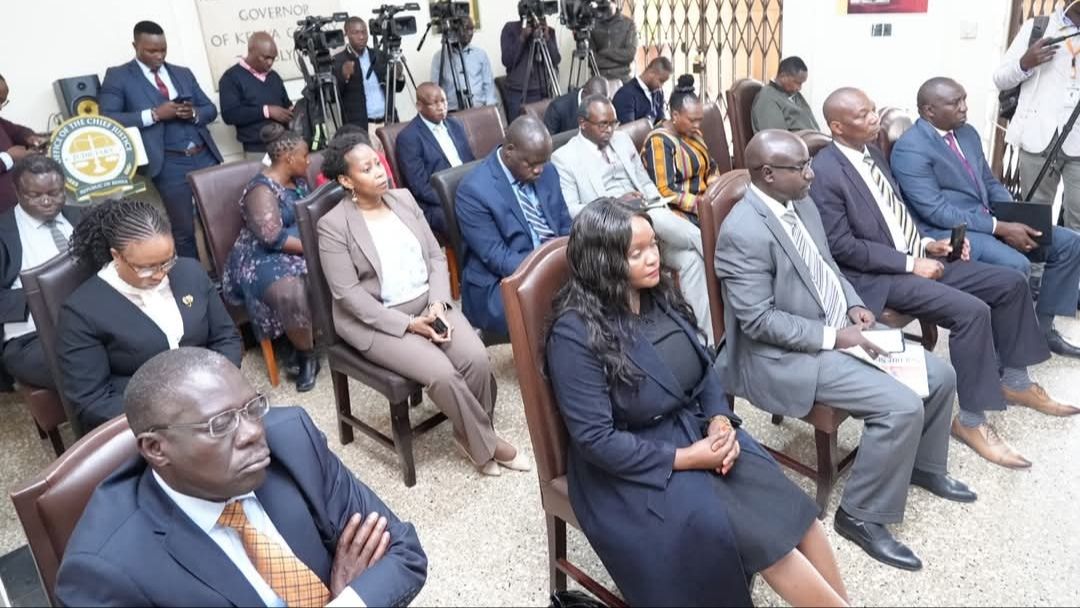
Ultimately, the decision to extend the recruitment process by two weeks may turn out to be a necessary delay that leads to better outcomes for the country’s electoral process. The extended time frame gives the recruitment panel the opportunity to be more thorough and deliberate in their selections, thus avoiding the risks of appointing unqualified or controversial individuals to such a crucial institution.
However, there is a fine line between taking the time to get it right and unnecessarily delaying progress. As the process moves forward, the hope is that it will strike the right balance and that the new IEBC leadership will emerge with the authority, independence, and capability needed to deliver credible and fair elections for all Kenyans.






0 comments