
Your Read is on the Way
Every Story Matters
Every Story Matters
The Hydropower Boom in Africa: A Green Energy Revolution Africa is tapping into its immense hydropower potential, ushering in an era of renewable energy. With monumental projects like Ethiopia’s Grand Ethiopian Renaissance Dam (GERD) and the Inga Dams in the Democratic Republic of Congo, the continent is gearing up to address its energy demands sustainably while driving economic growth.
Northern Kenya is a region rich in resources, cultural diversity, and strategic trade potential, yet it remains underutilized in the national development agenda.

Can AI Help cure HIV AIDS in 2025

Why Ruiru is Almost Dominating Thika in 2025

Mathare Exposed! Discover Mathare-Nairobi through an immersive ground and aerial Tour- HD

Bullet Bras Evolution || Where did Bullet Bras go to?
Small and Medium Enterprises (SMEs) in Kenya are calling for increased local funding to close the gender finance gap, create jobs, and stimulate economic growth. As international aid dwindles, the need for domestic financial solutions becomes even more urgent. Women entrepreneurs remain disproportionately affected, struggling to access capital, business networks, and mentorship opportunities. The financial exclusion of women not only limits their economic independence but also slows down overall national development. Addressing this disparity requires integrating gender-focused policies into economic frameworks to ensure that women receive the necessary financial support and opportunities.
The link between financial stability and mental well-being is undeniable, particularly for women facing economic uncertainty. Grace Wachori, Africa Regional Director at the Aspen Network of Development Entrepreneurs (ANDE), highlights that women frequently find themselves in a cycle of economic progress followed by setbacks due to a lack of financial security. She argues that many support programs focus on short-term relief rather than long-term empowerment. “We thought—what if we help them with their daily expenses while also giving them the ability to save and invest? Maybe that’s the missing piece,” she explains. Financial independence is not just about earning income; it is about securing a future where women do not have to rely on unpredictable aid.
Financial literacy remains a critical component of women’s empowerment. Many women-owned businesses struggle to become finance-ready due to limited knowledge of financial management, loan accessibility, and investment opportunities. Organizations partnering with banks and microfinance institutions have stepped in to bridge this gap by offering financial literacy training and small loans to women entrepreneurs. These initiatives help women develop a positive credit history, gain access to more substantial funding, and build sustainable businesses. According to Wachori, such efforts have transformed women’s lives, enabling them to move from struggling with daily expenses to running profitable enterprises. However, challenges persist, as traditional financial institutions still favor male entrepreneurs, granting them easier access to capital and business networks.
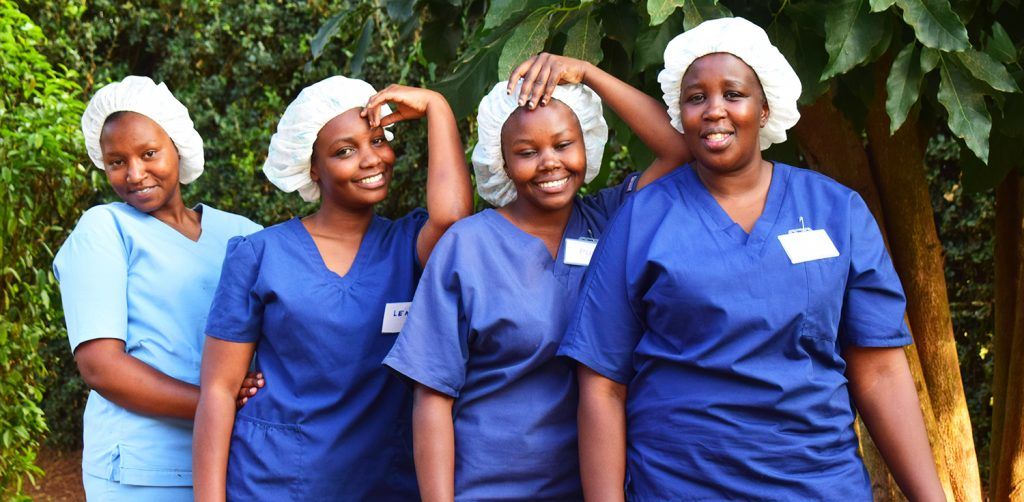
Women in Kenya spend, on average, 3.5 hours more than men each day on unpaid care work, which significantly restricts their ability to engage in income-generating activities. Sakwa Masai, Oxfam Kenya’s Private Sector Engagement Advisor, points out that the additional burden of caregiving leaves many women unable to scale their businesses or pursue professional advancement. Men, in contrast, have fewer caregiving responsibilities and more opportunities to build wealth. The disproportionate division of unpaid labor reinforces financial inequality and limits economic growth. Addressing this issue requires the implementation of gender-inclusive workplace policies such as flexible work arrangements, breastfeeding rooms, and paid parental leave, which can help women balance economic participation with caregiving responsibilities.
Recognizing the financial barriers women face, some organizations have introduced innovative financing models to support women in agriculture. James Odede, co-founder of Aquarech, is reshaping Kenya’s fish farming sector by providing farmers—many of whom are women—with credit-based access to fish feed. This model allows farmers to receive essential resources on credit and pay after harvest, reducing their financial strain. Such initiatives not only provide women with a sustainable means of livelihood but also counteract the dominance of foreign imports, such as Chinese fish flooding the Kenyan market. Strengthening local production through accessible financing can empower more women in agriculture and boost national food security.
As women age, they often face financial instability, compounded by caregiving responsibilities for elderly family members. Grace Wachori highlights the emotional and psychological toll that financial insecurity and aging have on individuals, particularly women who have spent years working without long-term financial planning. Many women in their 50s find themselves balancing their declining health, menopausal changes, and caregiving duties while still working to sustain themselves. According to Dr. Mary Nyamongo, a seasoned researcher, women in middle age often experience a financial crisis due to a lack of pensions, limited savings, and increased caregiving obligations. She notes that as life expectancy in Kenya hovers around 66 years, many older women rely entirely on family support, leading to stress, regret, and even depression.
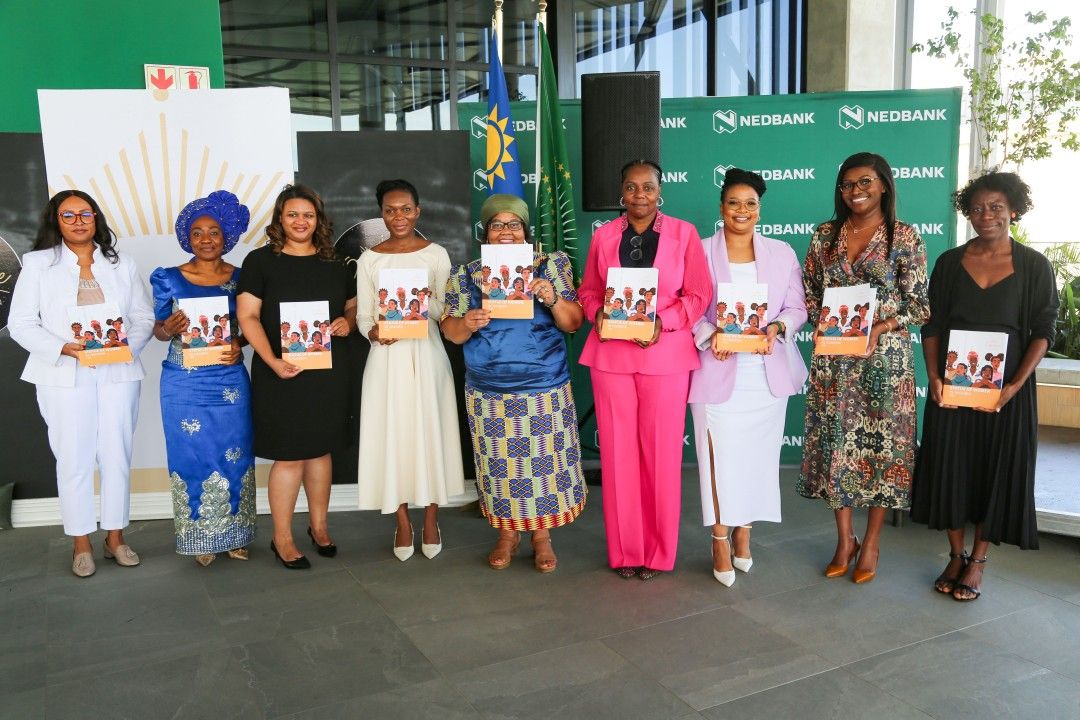
To address these issues, experts advocate for comprehensive policy reforms that recognize and support women at every stage of life. Expanding pension and social security systems is crucial to reducing financial dependency on families. Employers must also develop workplace policies that acknowledge the realities of aging, caregiving, and menopause. Structured interventions such as caregiver support programs, financial aid, and mental health services can provide relief to women struggling with caregiving and financial responsibilities. Encouraging intergenerational mentorship can also keep aging individuals engaged in economic activities, ensuring they remain financially and socially active.
For many women, financial struggles are not just about survival but also about building a legacy. Wachori emphasizes that financial empowerment is a journey that evolves over time. Younger women prioritize independence, while those in middle age focus on creating a lasting impact. However, if financial stability is not achieved early on, many women enter their later years with regret and anxiety over their unfulfilled aspirations. “By the time they hit senior adulthood, they start reflecting: What did I do with my strength? What am I leaving behind? And this can either bring a deep sense of fulfillment or immense regret,” Wachori explains. A shift in economic policies and societal attitudes is necessary to ensure that women of all ages can navigate financial transitions with dignity and confidence.
Women’s financial security is not just a women’s issue—it is an economic necessity. Closing the gender finance gap, supporting women entrepreneurs, and addressing unpaid care work will unlock Kenya’s economic potential. As financial institutions, policymakers, and private sector players recognize the urgency of these challenges, collaborative efforts must be made to dismantle systemic barriers. Only through deliberate action can Kenya—and Africa at large—achieve a more inclusive, equitable, and prosperous economy for future generations.






0 comments