
Your Read is on the Way
Every Story Matters
Every Story Matters
The Hydropower Boom in Africa: A Green Energy Revolution Africa is tapping into its immense hydropower potential, ushering in an era of renewable energy. With monumental projects like Ethiopia’s Grand Ethiopian Renaissance Dam (GERD) and the Inga Dams in the Democratic Republic of Congo, the continent is gearing up to address its energy demands sustainably while driving economic growth.
Northern Kenya is a region rich in resources, cultural diversity, and strategic trade potential, yet it remains underutilized in the national development agenda.

Can AI Help cure HIV AIDS in 2025

Why Ruiru is Almost Dominating Thika in 2025
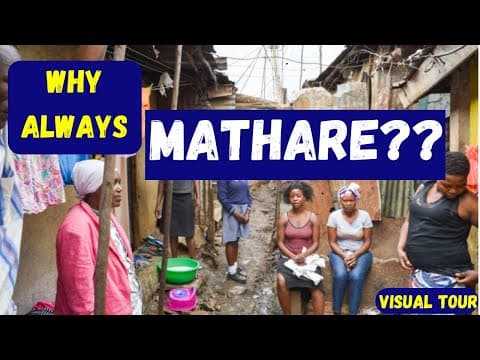
Mathare Exposed! Discover Mathare-Nairobi through an immersive ground and aerial Tour- HD

Bullet Bras Evolution || Where did Bullet Bras go to?
Charlene Ruto, the daughter of Kenya’s President William Ruto, found herself thrust into an unexpected storm of controversy after a writer published a book allegedly chronicling her life without seeking her approval. Her reaction was swift and passionate. Through public remarks and media interactions, Charlene condemned the move as a gross violation of her personal space and dignity.
What seemed like a harmless literary project to some quickly became a national conversation on ethics, personal rights, and the extent to which public figures should tolerate scrutiny and unauthorized exposure. Her fierce opposition laid bare the emotional toll such intrusions can have on individuals, regardless of their public status.
In her strongly worded criticism, Charlene used a phrase that caught the nation's attention: "We have very dirty habits." Her comment wasn’t just a jab at the author—it was an indictment of a wider societal tendency to disregard boundaries, particularly when it comes to public personalities.
She argued that writing and distributing a book about someone without their knowledge or input is not only unethical but indicative of a deeper cultural flaw—where opportunism trumps integrity. Her words were a call to introspection, urging Kenyans to evaluate how they treat public figures and whether they uphold values like consent, respect, and truth.
Far from letting it slide, Charlene backed her words with action. She lodged a formal complaint with the Directorate of Criminal Investigations (DCI), seeking justice for what she termed an unlawful appropriation of her identity. Her legal team maintains that such a publication, released without consent, could fall under defamation, misuse of personal data, and violation of privacy laws.
This legal move elevates the matter from a personal dispute to a test case for Kenya's capacity to protect individuals—particularly public figures—from exploitation in the name of artistic freedom or public interest. It also raises concerns about how Kenya regulates biographical content and who controls personal narratives in the digital age.
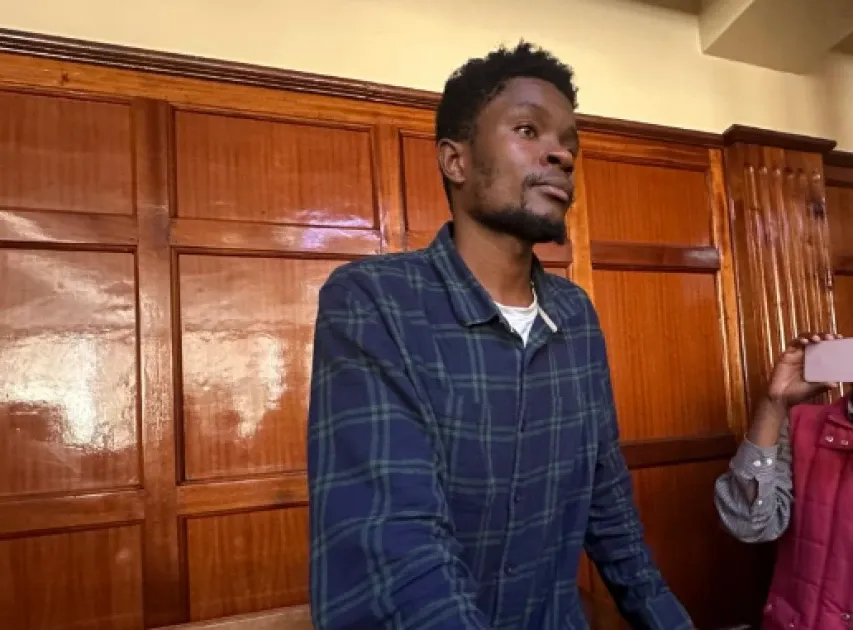
While Charlene has enjoyed considerable public visibility, especially in youth advocacy and climate activism, she made it clear that being seen does not mean being owned. She argued passionately that fame should never be misinterpreted as open access to a person’s private life. In her view, there's a clear line between being a public servant and being a public property.
When writers, journalists, or creators use someone's name and life for content without permission, they cross into exploitation. Charlene’s message serves as a reminder that behind every high-profile personality is a human being with limits, expectations, and rights that must be upheld.
The controversy also shines a spotlight on the responsibilities of content creators, publishers, and the broader media industry in Kenya. Charlene’s situation acts as a cautionary tale for aspiring writers who may not fully understand the legal and ethical frameworks surrounding biography writing.
In an era of digital publishing, where barriers to releasing books or blogs are low, the temptation to leverage the fame of others for clicks, sales, or attention is high. However, Charlene’s condemnation is a warning: intellectual shortcuts and unauthorized storytelling could come with serious consequences, both legal and reputational.
In addressing younger Kenyans, Charlene didn’t miss the opportunity to turn the controversy into a teaching moment. She challenged the youth to chart their own stories and invest in building authentic brands and identities. She cautioned against the rising trend of piggybacking on the success or struggles of others for personal gain.
Instead, she urged young people to focus on originality, discipline, and professionalism in their creative and entrepreneurial pursuits. Her message was empowering but firm—real growth comes from self-work, not shortcuts.
As investigations into the matter continue, the nation watches closely. What started as an unauthorized biography could end up setting a legal precedent for how personal stories are treated in Kenya’s publishing landscape. Whether the writer faces penalties or the book is withdrawn, Charlene’s stance has already shifted public discourse.
It has reinforced the notion that personal narratives are not public property, and that consent isn’t just a formality—it’s a cornerstone of ethical storytelling. The outcome of this case could either reinforce or weaken protections for public figures, and possibly influence publishing norms going forward.






0 comments