
Your Read is on the Way
Every Story Matters
Every Story Matters
The Hydropower Boom in Africa: A Green Energy Revolution Africa is tapping into its immense hydropower potential, ushering in an era of renewable energy. With monumental projects like Ethiopia’s Grand Ethiopian Renaissance Dam (GERD) and the Inga Dams in the Democratic Republic of Congo, the continent is gearing up to address its energy demands sustainably while driving economic growth.
Northern Kenya is a region rich in resources, cultural diversity, and strategic trade potential, yet it remains underutilized in the national development agenda.

Can AI Help cure HIV AIDS in 2025

Why Ruiru is Almost Dominating Thika in 2025

Mathare Exposed! Discover Mathare-Nairobi through an immersive ground and aerial Tour- HD

Bullet Bras Evolution || Where did Bullet Bras go to?
The Kenya Revenue Authority (KRA) is no longer sitting back while inefficiencies and public frustration mount. In what appears to be one of the biggest internal shakeups in its history, the tax agency has rolled out a bold recruitment drive targeting top-level leadership and operational staff. The goal? To rebuild a nimble, modern institution that not only meets current demands but anticipates the challenges ahead.
This isn't just about hiring. It's a full-blown transformation of how KRA wants to operate, interact with the public, and deliver services that have long been marred by delays, red tape, and outdated systems.
Among the roles now open are three powerful commissioner slots, twelve deputy commissioner posts, and several managerial and technical positions that will form the engine room of the reformed KRA. It's clear that the authority is looking for not just experience, but vision—people who can modernize tax systems, digitize processes, and lead change at scale.
This is a pivotal move, signaling that KRA is taking its own internal weaknesses seriously. The agency is now actively seeking professionals capable of steering it through complex tax administration, ever-evolving compliance demands, and increasing pressure for transparency.
At the core of this recruitment wave is a deep restructuring exercise that KRA says is intended to tackle not just present-day shortcomings, but future gaps as well. This overhaul is designed to boost operational agility, improve efficiency, and instill a culture that values learning and innovation.
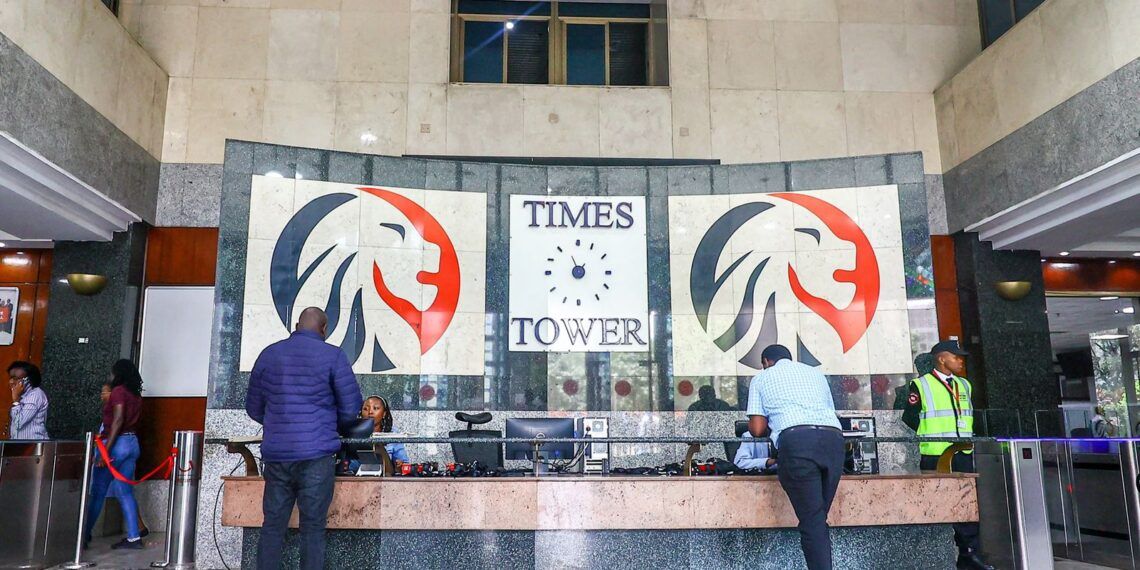
KRA’s current workforce stands at over 9,000, but that number alone hasn't translated into effectiveness. The real shift, the authority says, lies in realigning roles, eliminating redundancy, and putting in place leadership that can execute without political interference or legacy inertia.
KRA is publicly promising a transparent and merit-based recruitment process—an acknowledgment of public skepticism around government hiring. The agency insists that the best candidates will be picked based solely on qualifications and vision, a necessary message given Kenya’s history of cronyism in public sector appointments.
The authority is clearly aware that this is not just about bringing in bodies—it’s about resetting the institution's DNA.
This hiring spree is not just about chasing taxes. It's about shaping the future of public trust. A modern, competent, and responsive KRA can do more than collect money—it can influence investor confidence, reduce corruption, and support national development through better financial governance.
If this shakeup is done right, it could mark the beginning of a very different kind of KRA: one that understands citizens, embraces innovation, and finally sheds the image of a bloated, bureaucratic behemoth.






0 comments