
Your Read is on the Way
Every Story Matters
Every Story Matters
The Hydropower Boom in Africa: A Green Energy Revolution Africa is tapping into its immense hydropower potential, ushering in an era of renewable energy. With monumental projects like Ethiopia’s Grand Ethiopian Renaissance Dam (GERD) and the Inga Dams in the Democratic Republic of Congo, the continent is gearing up to address its energy demands sustainably while driving economic growth.
Northern Kenya is a region rich in resources, cultural diversity, and strategic trade potential, yet it remains underutilized in the national development agenda.

Can AI Help cure HIV AIDS in 2025

Why Ruiru is Almost Dominating Thika in 2025

Mathare Exposed! Discover Mathare-Nairobi through an immersive ground and aerial Tour- HD

Bullet Bras Evolution || Where did Bullet Bras go to?
The Public Seal of Kenya is enshrined in the Second Schedule of the Constitution, standing alongside other national symbols such as the flag, anthem, and coat of arms.
It features the nation's coat of arms encircled by the words "Kenya" at the top and "Government" below, symbolizing the country's authority and authenticity. This seal is affixed to critical documents, including treaties, commissions, and official appointments, serving as a mark of legitimacy and state endorsement.
Historically, the Attorney General has held the custodial responsibility for the Public Seal, ensuring its application aligns with legal protocols and the nation's best interests. However, recent legislative proposals aimed to transfer this custody to the Head of Public Service, a move that sparked significant debate.
The Public Service Commission (PSC) opposed this transfer, arguing that the Public Seal, as a national symbol, should remain under the purview of the Attorney General to prevent potential misuse and maintain the integrity of governmental processes.
The PSC emphasized that the Head of Public Service operates under presidential discretion, which could blur the lines of accountability and oversight.
Echoing these concerns, the National Assembly's Justice and Legal Affairs Committee (JLAC) unanimously rejected the proposed amendments. Committee members highlighted that the Attorney General, as the government's chief legal advisor, is best positioned to safeguard the seal's sanctity and ensure its appropriate use in legal matters.
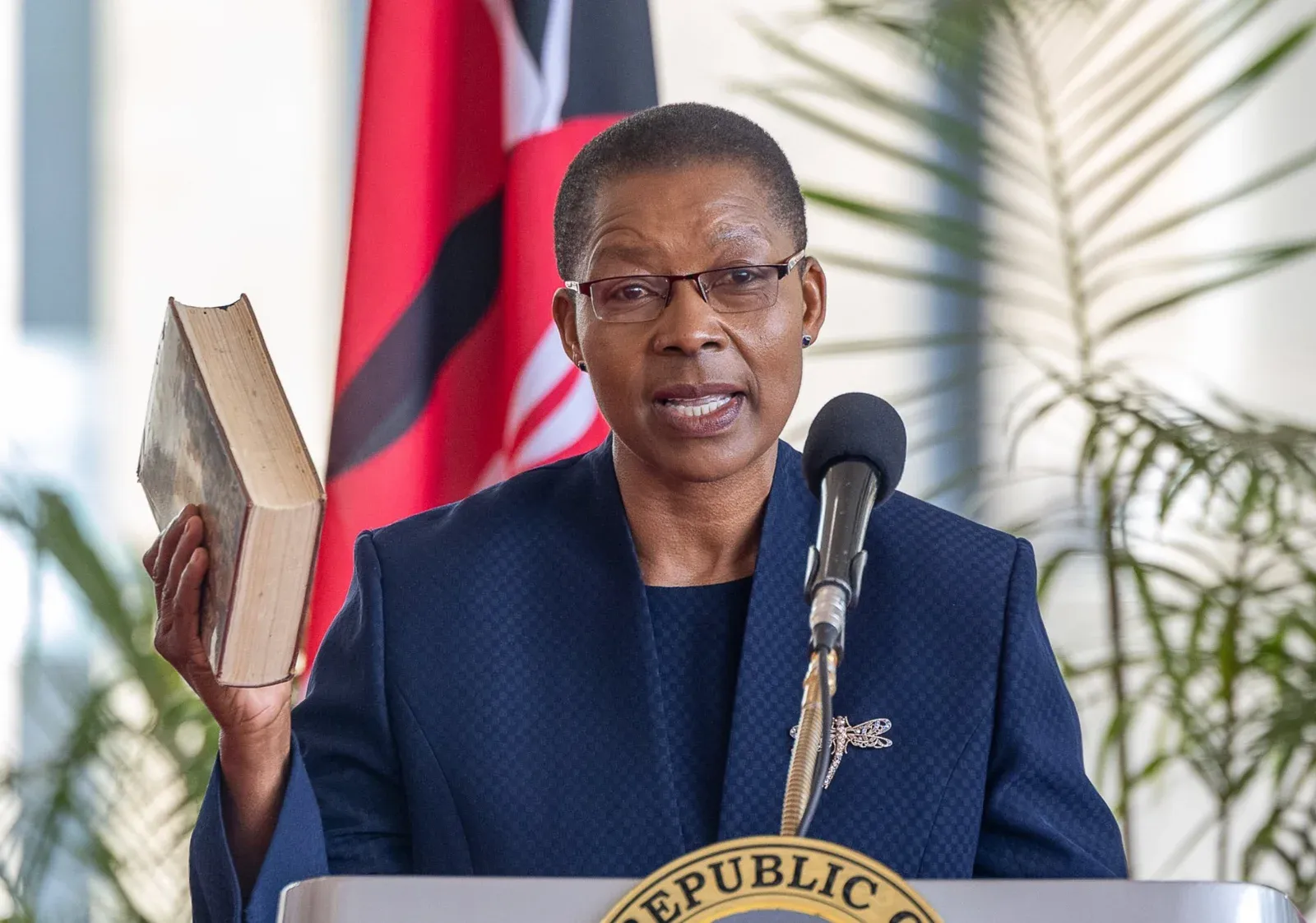
Dorcas Agik Odhong Oduor was appointed as Kenya's Attorney General on August 20, 2024, marking a historic milestone as the first woman to hold this esteemed position. With over three decades of experience in the legal field, her career is distinguished by significant contributions to legal reforms and public service.
AG Oduor's leadership is characterized by a steadfast dedication to justice, transparency, and the protection of national symbols like the Public Seal.
Retaining the Public Seal within the Attorney General's office is not merely a matter of tradition but a safeguard for the nation's legal integrity. The Attorney General's legal expertise ensures that the seal's application is consistent with constitutional mandates and international obligations.
Transferring custody to the Head of Public Service could risk politicizing the seal's use, potentially leading to actions that may not withstand legal scrutiny. The collective stance of the PSC, JLAC, and legal experts underscores the necessity of keeping the Public Seal within the legal domain to preserve its sanctity and the nation's rule of law.
The discourse surrounding the custody of Kenya's Public Seal highlights the critical balance between administrative functions and legal oversight. Attorney General Dorcas Oduor's stewardship reflects a commitment to maintaining this balance, ensuring that national symbols are protected and utilized in a manner that upholds Kenya's sovereignty and legal integrity.






0 comments