
Your Read is on the Way
Every Story Matters
Every Story Matters
The Hydropower Boom in Africa: A Green Energy Revolution Africa is tapping into its immense hydropower potential, ushering in an era of renewable energy. With monumental projects like Ethiopia’s Grand Ethiopian Renaissance Dam (GERD) and the Inga Dams in the Democratic Republic of Congo, the continent is gearing up to address its energy demands sustainably while driving economic growth.
Northern Kenya is a region rich in resources, cultural diversity, and strategic trade potential, yet it remains underutilized in the national development agenda.

Can AI Help cure HIV AIDS in 2025

Why Ruiru is Almost Dominating Thika in 2025

Mathare Exposed! Discover Mathare-Nairobi through an immersive ground and aerial Tour- HD

Bullet Bras Evolution || Where did Bullet Bras go to?
In mid-2024, Kenya became the epicenter of intense civil unrest as thousands of young citizens took to the streets to challenge the government's proposed Finance Bill. Frustrated by rising living costs and a perceived lack of representation, the youth mobilized in unprecedented numbers.
What began as peaceful demonstrations swiftly escalated into chaos. Central to this tragedy was the disproportionate use of force by law enforcement, resulting in the loss of many young lives and exposing deep-seated cracks in Kenya’s democratic governance.
The Finance Bill 2024 proposed a raft of new taxes, sparking widespread dissent. Many young Kenyans—already grappling with unemployment, inflation, and limited access to social services—viewed the bill as an attack on their economic future.
Social media served as a powerful organizing tool, with civic-minded youth organizing nationwide protests. Nairobi, Kisumu, and Mombasa became major flashpoints as crowds gathered to demand the bill’s withdrawal.
June 25, 2024, marked a grim turning point when protesters stormed the gates of Parliament in Nairobi. In response, the police and other security forces deployed heavy-handed tactics. Eyewitnesses and human rights groups reported the use of live ammunition, tear gas, and unmarked officers in plainclothes.
By the end of that week, dozens of young protesters had died. Most of them were unarmed civilians, caught between the state’s intent to restore order and a movement that had outgrown the traditional boundaries of protest.
In the days following the clashes, numerous young activists went missing. Families reported mysterious abductions in the dead of night. Those who resurfaced spoke of torture, long hours in undisclosed locations, and threats aimed at silencing dissent.
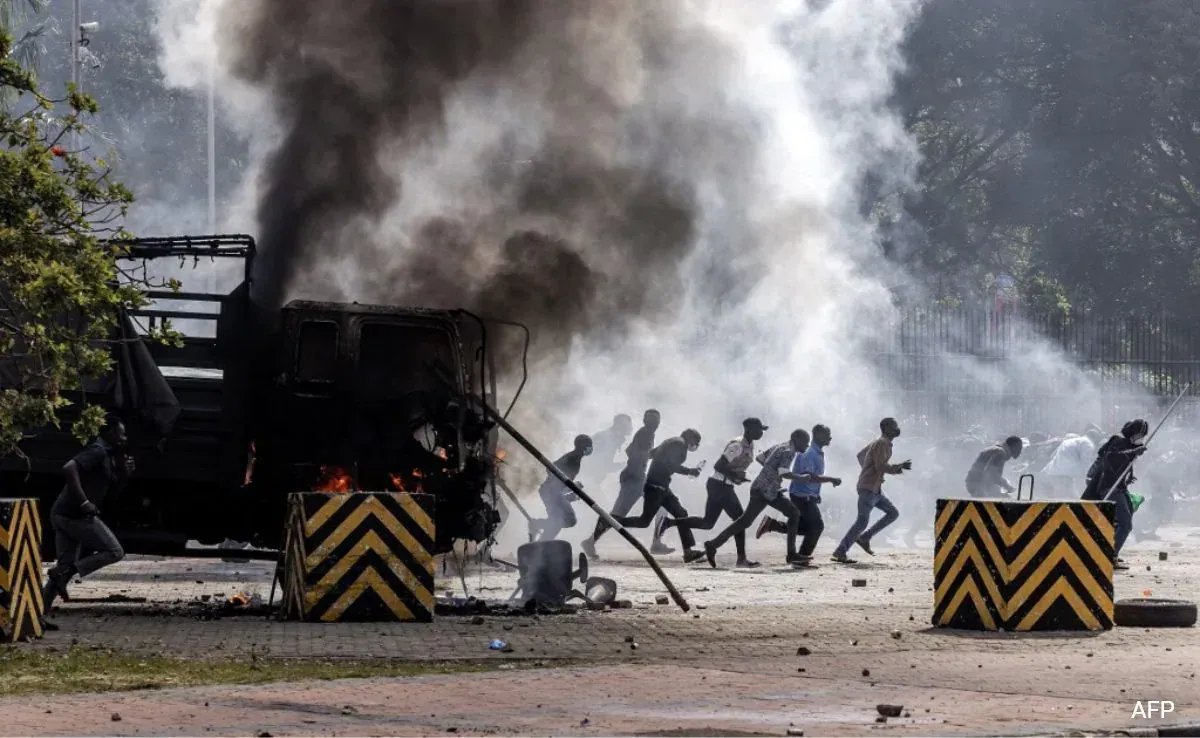
Some never returned. The security operations appeared designed not just to quell the protests, but to dismantle their leadership through fear. Lawyers and civil rights organizations decried these tactics, citing constitutional breaches and a slide toward authoritarianism.
Faced with growing domestic and international pressure, President William Ruto announced that he would not sign the Finance Bill. While this move temporarily calmed the streets, it did little to heal the wounds inflicted.
The government maintained that its actions were necessary to uphold national security, but many Kenyans felt that this response betrayed the country’s democratic principles. The political opposition seized the moment to demand police reforms and greater accountability.
Efforts to hold those responsible for the killings accountable have gained momentum. Human rights commissions, legal societies, and independent oversight bodies have launched investigations into police conduct. However, as of June 2025, no major convictions have been secured.
Many families continue to grieve without closure, attending hearings, submitting evidence, and hoping for justice that seems perpetually delayed. The question lingers: will the system correct itself, or is this the beginning of normalized repression?
Those killed during the protests are now remembered as symbols of resistance. Street murals, online campaigns, and public vigils keep their memory alive. Their deaths have inspired a new generation of civic activists determined to demand better governance and human rights protections. In death, they have become a rallying cry for Kenya’s youth-led democratic awakening.
The fate of the Kenyan youths killed during the anti-Finance Bill protests remains a somber chapter in the nation’s history. It reflects the volatile intersection of governance, civil rights, and youthful defiance. As Kenya looks ahead, it must reckon with this dark past to forge a more just, accountable, and democratic future.






0 comments