
Your Read is on the Way
Every Story Matters
Every Story Matters
The Hydropower Boom in Africa: A Green Energy Revolution Africa is tapping into its immense hydropower potential, ushering in an era of renewable energy. With monumental projects like Ethiopia’s Grand Ethiopian Renaissance Dam (GERD) and the Inga Dams in the Democratic Republic of Congo, the continent is gearing up to address its energy demands sustainably while driving economic growth.
Northern Kenya is a region rich in resources, cultural diversity, and strategic trade potential, yet it remains underutilized in the national development agenda.

Can AI Help cure HIV AIDS in 2025

Why Ruiru is Almost Dominating Thika in 2025

Mathare Exposed! Discover Mathare-Nairobi through an immersive ground and aerial Tour- HD

Bullet Bras Evolution || Where did Bullet Bras go to?
Kenyan Mugithi sensation and police officer Samuel Muchoki, popularly known as Samidoh, is under fire—not for his lyrics, but for allegedly abandoning his duties in uniform. On Friday, July 25, the High Court issued a firm directive requiring Samidoh to surrender his passport immediately. The ruling followed allegations from the National Police Service (NPS) accusing the star of desertion of duty.
Though the court also granted him anticipatory bail of Ksh200,000 and barred his immediate arrest, this doesn’t mean he’s off the hook. The case has dragged the artist from the stage spotlight into legal crosshairs.
The controversy emerged as Samidoh currently tours the United States, with his most recent performance being at the Ngemi Cia Ruraya cultural festival in Seattle, Washington. The festival wasn't your average gig—it was attended by former Deputy President Rigathi Gachagua and his wife, Pastor Dorcas. Videos from the event show Samidoh in his element, strumming his guitar, singing, and interacting with fans abroad.
He’s also been present at other events linked to Gachagua’s diaspora outreach efforts, showcasing his growing influence among Kikuyu communities outside Kenya. But while his performances drew applause in the U.S., back in Nairobi, they triggered alarm bells in the police service.
According to a damning internal police report, Samidoh failed to report back to duty on May 27, 2025, after his leave expired. He had been reassigned to the Anti-Stock Theft Unit (ASTU) in Gilgil—a position he never took up. By June 6, the NPS officially labeled him a deserter, stating that multiple attempts to reach him had failed.
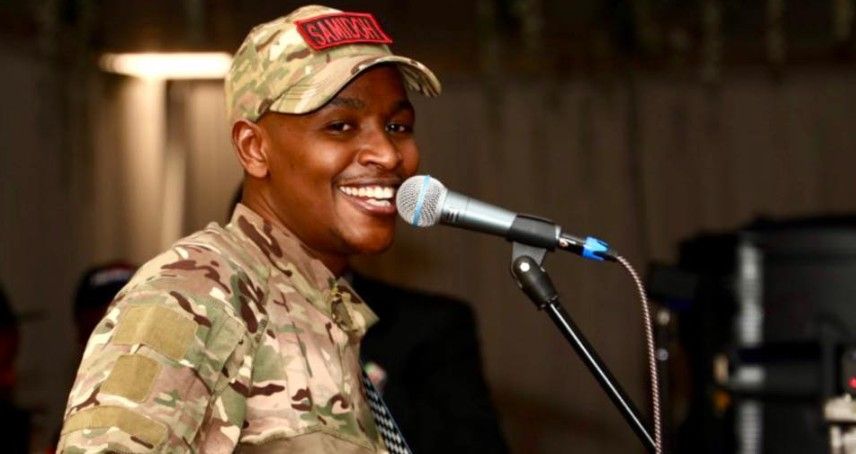
The pressure on Samidoh escalated after one of his concerts abroad turned politically volatile. In a now-viral video, his crowd erupted with chants of “Wantam”—a slogan aimed at ensuring President William Ruto serves only one term. Rather than de-escalate the situation, Samidoh was seen actively engaging the crowd, energizing their chants. This incident reportedly led to high-level backlash and fast-tracked his abrupt transfer to ASTU.
In response to the desertion claims and possible arrest threats, Samidoh moved to court seeking protection. The High Court ruled in his favor by granting him anticipatory bail and temporarily shielding him from arrest. However, the court also demanded he surrender his passport, a clear indication that the judiciary is taking the matter seriously.
If the allegations stick, Samidoh could face serious disciplinary action, including dismissal from the police service. The Service Standing Orders (SSOs) prohibit officers from engaging in political acts or public behavior that embarrasses the institution—and Samidoh may have crossed both lines.
This legal storm places Samidoh at a crossroads. As a celebrated artist, his music has amassed fans worldwide. As a police officer, he's bound by rules and expectations that come with public service. Now, caught between music, law enforcement, and political undercurrents, he may be forced to choose which identity to protect.
The case raises broader questions about freedom of expression, police conduct, and how public servants navigate personal fame in an age of viral influence.






0 comments