
Your Read is on the Way
Every Story Matters
Every Story Matters
The Hydropower Boom in Africa: A Green Energy Revolution Africa is tapping into its immense hydropower potential, ushering in an era of renewable energy. With monumental projects like Ethiopia’s Grand Ethiopian Renaissance Dam (GERD) and the Inga Dams in the Democratic Republic of Congo, the continent is gearing up to address its energy demands sustainably while driving economic growth.
Northern Kenya is a region rich in resources, cultural diversity, and strategic trade potential, yet it remains underutilized in the national development agenda.

Can AI Help cure HIV AIDS in 2025

Why Ruiru is Almost Dominating Thika in 2025

Mathare Exposed! Discover Mathare-Nairobi through an immersive ground and aerial Tour- HD

Bullet Bras Evolution || Where did Bullet Bras go to?
Governor’s Call for Urban Reform
During a recent event in Industrial Area, Nairobi Governor Johnson Sakaja took a decisive turn from the usual discourse on revenue collection and instead placed emphasis on the pressing urban challenges facing Kenya’s capital. He highlighted that Nairobi’s rapid population growth has put immense pressure on housing, infrastructure, and public services, and that piecemeal enforcement actions—like clamping buildings for unpaid rates—fail to address the root causes of these problems.
Sakaja called for a comprehensive, forward-looking urban reform strategy aimed at creating a sustainable, inclusive city that meets the needs of all residents. His vision advocates for long-term planning and investment in infrastructure, policies that prioritize people’s welfare, and a collaborative approach that brings together government agencies, private developers, and communities.
Addressing Housing Shortages and Informal Settlements
A key focus of Sakaja’s message was the critical issue of housing shortages, which have led to the sprawling growth of informal settlements across Nairobi. Many residents live in substandard conditions without reliable access to basic amenities like clean water, sanitation, or electricity.
These living conditions not only threaten public health but also deepen social inequalities. Sakaja stressed that Nairobi’s growth cannot be sustainable without significant investment in affordable housing and upgrading of informal settlements.
He urged the government to prioritize projects that increase the supply of quality, low-cost housing units while improving urban infrastructure such as roads, drainage systems, and waste management. He underscored that the city’s future depends on balancing expansion with humane living standards for all socioeconomic groups.
Emphasizing Social Responsibility and Collaboration
Governor Sakaja was clear that addressing Nairobi’s urban challenges requires a unified effort from all stakeholders. He called on private developers to step up and participate in affordable housing initiatives, urging them to align their business models with the city’s social needs. Sakaja also highlighted the importance of partnerships between the county government, national agencies, and international organizations to pool resources, expertise, and innovation for urban development.
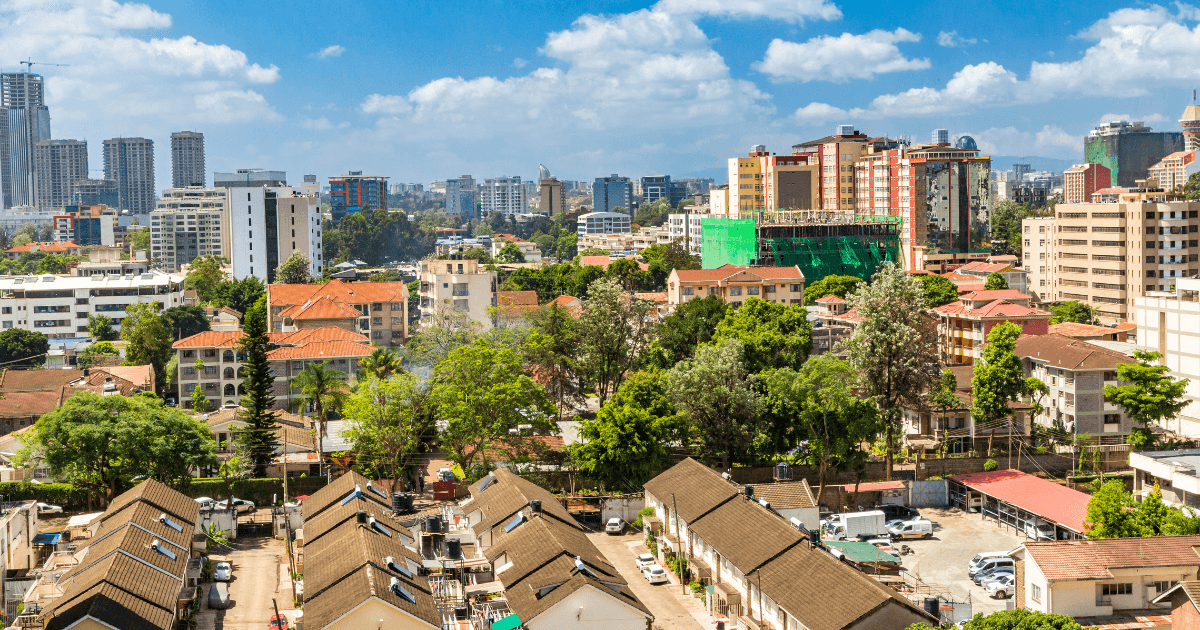
He warned that without collective responsibility and inclusive planning, Nairobi risks becoming a city divided by wealth and poverty, where only the privileged can access decent housing and services. Through shared commitment, Sakaja envisions Nairobi becoming a modern metropolis that benefits everyone.
Reforming Rental Policies and Protecting Tenants
The governor acknowledged the critical need to protect tenants from arbitrary evictions and exploitative practices, which are common in Nairobi’s rental market. He announced plans to review and strengthen rental regulations to ensure they are fair and balanced, safeguarding tenants’ rights while maintaining landlords’ legitimate interests.
Sakaja emphasized that housing affordability and security are fundamental human rights that must be upheld. By instituting transparent and just policies, he aims to reduce conflicts between landlords and tenants, prevent homelessness, and promote social stability. This approach reflects a broader vision of urban governance that respects dignity and equity in housing access.
Funding Urban Transformation
In a departure from focusing solely on land rates and revenue collection, Governor Sakaja outlined new strategies to mobilize funds for Nairobi’s urban transformation. Recognizing the limitations of relying on property taxes alone, he revealed plans to attract international grants, encourage public-private partnerships, and innovate financing models that can sustain large-scale infrastructure and housing projects.
These funds will target upgrading informal settlements, expanding affordable housing supply, and enhancing the city’s overall livability. Sakaja pointed out that without adequate funding and efficient resource management, Nairobi will struggle to meet the expectations of its growing population and will lag behind global standards for modern cities. His administration is therefore prioritizing financial sustainability as a cornerstone of urban renewal.
Conclusion
Governor Johnson Sakaja’s approach marks a shift from punitive revenue enforcement towards a broader vision of urban development that prioritizes social equity, infrastructure, and sustainability. His call for collaboration across sectors, reform of rental policies, and innovative funding signals a more humane and strategic path for Nairobi’s growth.
Addressing the city’s housing crisis and informal settlement challenges is not just about collecting money but about building a city that offers dignity, opportunity, and better quality of life for all its residents. As Nairobi continues to expand, Sakaja’s vision offers a framework for turning challenges into lasting solutions.






0 comments