
Your Read is on the Way
Every Story Matters
Every Story Matters
The Hydropower Boom in Africa: A Green Energy Revolution Africa is tapping into its immense hydropower potential, ushering in an era of renewable energy. With monumental projects like Ethiopia’s Grand Ethiopian Renaissance Dam (GERD) and the Inga Dams in the Democratic Republic of Congo, the continent is gearing up to address its energy demands sustainably while driving economic growth.
Northern Kenya is a region rich in resources, cultural diversity, and strategic trade potential, yet it remains underutilized in the national development agenda.

Can AI Help cure HIV AIDS in 2025

Why Ruiru is Almost Dominating Thika in 2025

Mathare Exposed! Discover Mathare-Nairobi through an immersive ground and aerial Tour- HD

Bullet Bras Evolution || Where did Bullet Bras go to?
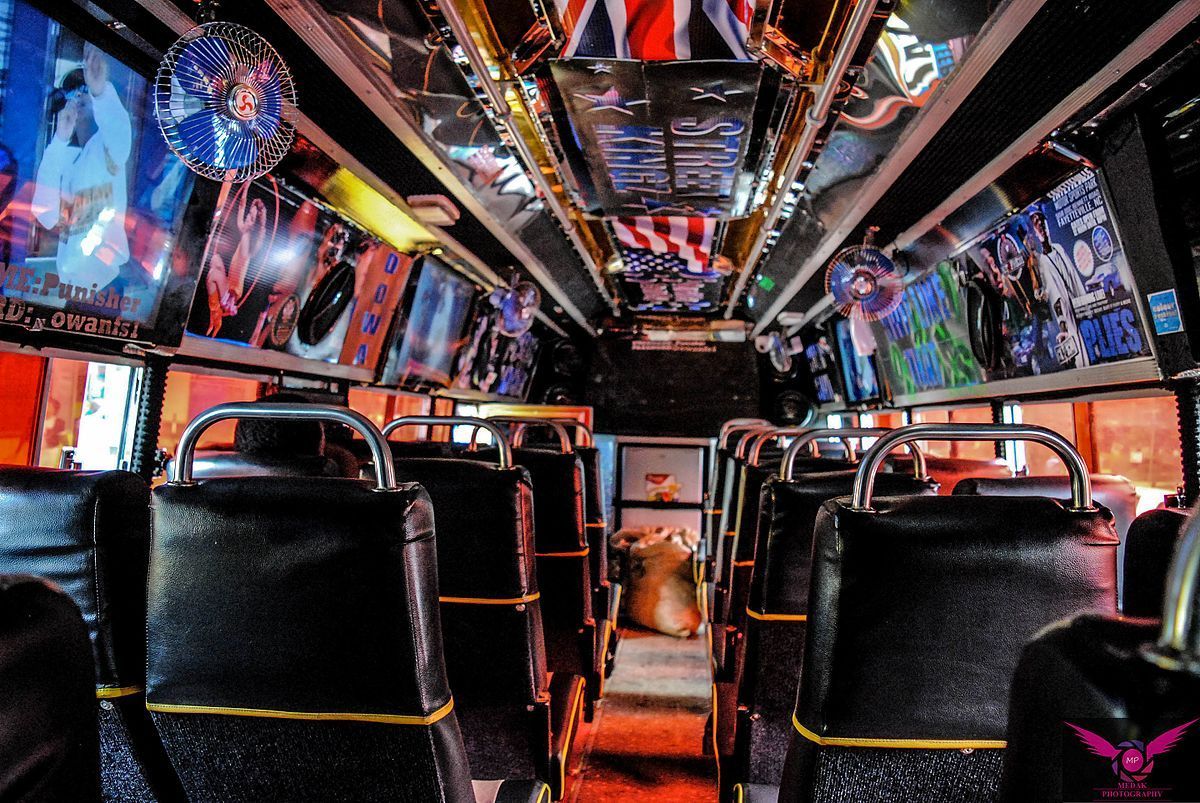
Kenya’s iconic, street-art-drenched matatus—mobile murals pulsing with personality—are under siege. In a swift and stern move, the National Transport and Safety Authority (NTSA) has demanded the immediate erasure of unauthorized graffiti and tints on all Public Service Vehicles (PSVs).
For many Nairobians, this isn’t just a crackdown; it’s the slow, systematic sterilization of an urban artform intertwined with identity, culture, and economy. But for NTSA, this is about safety and order.
NTSA’s directive didn’t come out of nowhere. A surge of non-compliance cases—vehicles with illegible identifiers, blocked route labels, or completely missing regulatory markings—has made enforcement a logistical nightmare. Some matatus have become so heavily modified, they're practically anonymous. Routes are unclear. Operators go rogue. And in the NTSA’s view, the result is not artistic freedom—it’s anarchy on wheels.
At the heart of NTSA's argument is a simple truth: commuters need to know who’s driving them and where they're going. When a PSV sports pitch-black windows and is covered in graphic art from bumper to bumper, basic safety becomes elusive.
Law enforcement can’t track rogue drivers, passengers can’t verify route legitimacy, and accidents become harder to investigate. The directive requires clear visibility of the yellow line, Sacco or operator name, route info, and legal operational stickers.
This isn’t a warning shot. NTSA’s tone is not advisory—it’s absolute. Operators are being told to audit every single vehicle in their fleet immediately. The checklist is clear:
No unauthorized tints
No graffiti that obscures official markings
Valid operational stickers visible
Clear company or Sacco identification
Compliance with branding guidelines
And if not? Vehicles will be impounded. Licenses will be suspended. Some may never operate again. The message is brutally simple: comply or park it for good.
Beyond paint jobs and flashy decals, there’s a deeper motive here. NTSA is grappling with an erosion of trust in the public transport system. When PSVs flout rules, passengers feel unsafe. Regulatory officers feel outnumbered.
And the streets? They descend into chaos. This enforcement is part of a broader cleanup—less about aesthetics, more about legitimacy. NTSA wants a system where every bus, van, or minibus can be traced, trusted, and ticketed if necessary.
To many Kenyans, this feels personal. Matatu graffiti has long been more than decoration—it’s storytelling on wheels, social commentary in motion. From Tupac tributes to football fanfare, these vehicles reflect Nairobi's pulse.
But the NTSA isn’t banning creativity outright. What it's killing off is unregulated creativity that erases visibility and hinders accountability. The matatu industry, passionate and stubborn, will now have to reinvent itself—within the law.
As of now, PSV operators have no wiggle room. It's either strip the flair or face the fallout. Whether this results in sterile fleets or a more standardized, secure system remains to be seen. But what’s clear is this: NTSA is done negotiating. The streets are being reclaimed—not by culture, but by control.
PSV operators have a choice to make—either adapt and rebrand under regulation or risk being swept off the roads entirely. This is more than a compliance order; it's a cultural reset in real-time.






0 comments