
Your Read is on the Way
Every Story Matters
Every Story Matters
The Hydropower Boom in Africa: A Green Energy Revolution Africa is tapping into its immense hydropower potential, ushering in an era of renewable energy. With monumental projects like Ethiopia’s Grand Ethiopian Renaissance Dam (GERD) and the Inga Dams in the Democratic Republic of Congo, the continent is gearing up to address its energy demands sustainably while driving economic growth.
Northern Kenya is a region rich in resources, cultural diversity, and strategic trade potential, yet it remains underutilized in the national development agenda.

Can AI Help cure HIV AIDS in 2025

Why Ruiru is Almost Dominating Thika in 2025

Mathare Exposed! Discover Mathare-Nairobi through an immersive ground and aerial Tour- HD

Bullet Bras Evolution || Where did Bullet Bras go to?
In what could be described as a countrywide census of economic hardship, resilience, and survival, the government of Kenya has officially launched a comprehensive door-to-door data collection campaign. The exercise, dubbed the 2025/26 Kenya Integrated Household Budget Survey (KIHBS), began on July 16 and is expected to run for a full year across all 47 counties. Conducted by the Kenya National Bureau of Statistics (KNBS), this operation is not just another statistical routine — it’s a fact-finding mission into the lived reality of millions of Kenyans.
This new survey arrives at a critical time. Kenya's labor market has changed dramatically, with formal employment shrinking and informal hustles becoming the new norm. With economic pressure mounting, the state appears to be in a scramble to collect updated data to guide policies and budget allocations more effectively — before the tide of public frustration swells beyond control.
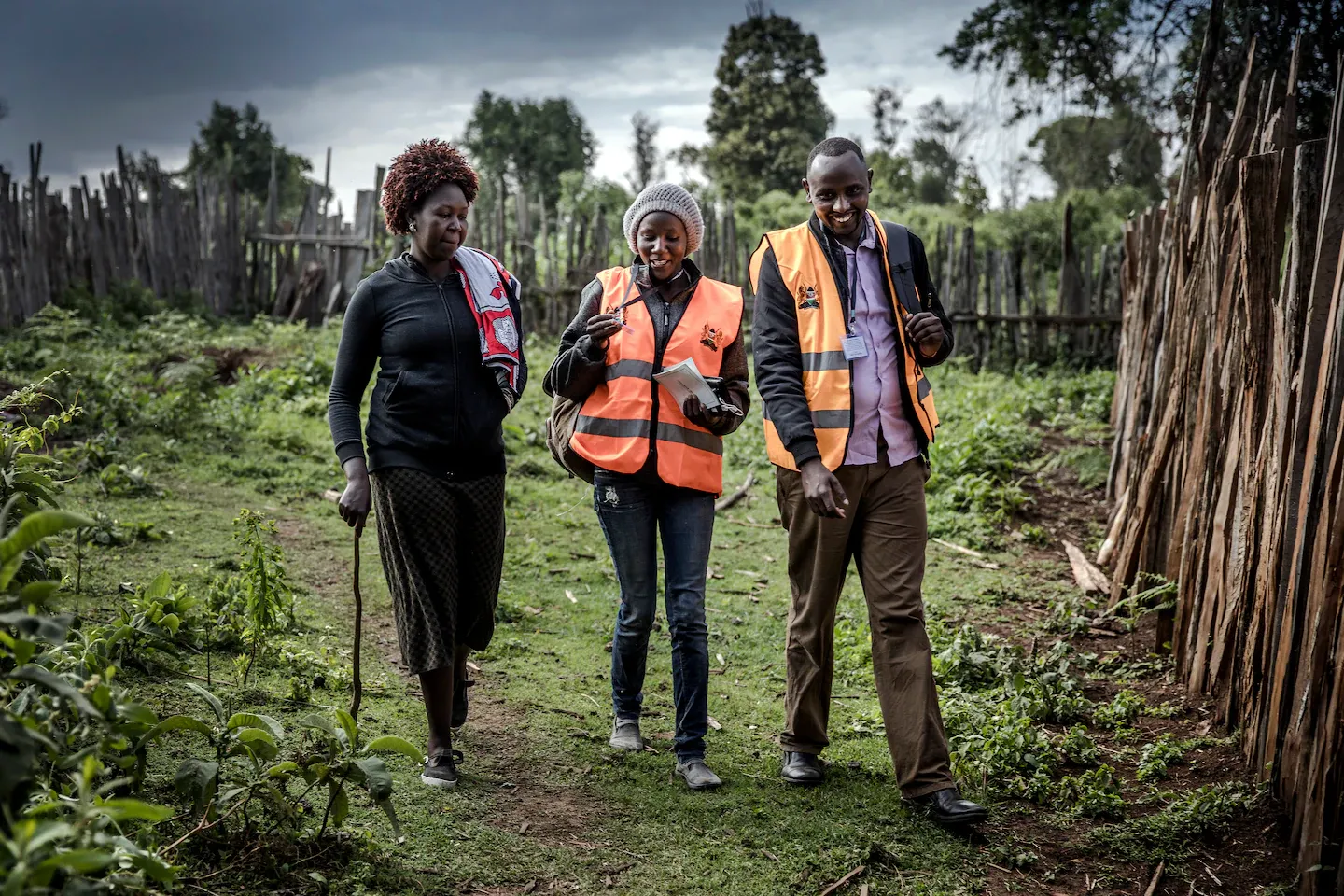
Unlike quick-fix polls or headline statistics, the KIHBS dives deep. Enumerators will visit over 24,480 selected households — plus 960 households in refugee camps — to gather granular data across multiple life dimensions. These include income levels, household expenditure, access to basic utilities, health status, education levels, employment types, and demographic indicators such as fertility and mortality rates.
Enumerators equipped with digital tablets, ID badges, and QR-coded identification will conduct face-to-face interviews — a deliberate shift towards real-time data integrity. KNBS has emphasized confidentiality, urging full cooperation from all selected households.
But behind the clipboard and statistics lies a stark reality: Kenya’s economy is no longer predictable, and policies crafted in the dark risk missing the mark. This survey, therefore, is more than just a research project — it's a lifeline for smart planning.
The most recent employment report by KNBS offers a glimpse into what might be fueling this data drive. In 2024, the Kenyan economy generated 782,300 new jobs — but 90% of these were in the informal sector. From small kiosk owners to boda boda riders, Kenyans are increasingly carving their own paths in an economy that seems unable to absorb them formally.
The formal sector, despite contributing 78,600 new jobs, remains a shrinking island in a sea of informal activity. Wage employment in formal settings now stands at around 3.2 million, while informal jobs have surged to 17.4 million. This imbalance is deeply structural — and no policy can fix it without understanding it first.
The KIHBS is expected to help reframe these challenges. It will give insight into household consumption habits, food security, housing conditions, education access, and even energy usage. All this data feeds directly into how the government sets priorities, allocates funds, and assesses poverty.
KNBS’s Director General Macdonald Obudho has insisted that the KIHBS will serve as a cornerstone for national planning. And he’s right. Kenya has relied on outdated or limited data sets for too long, often resulting in misdirected subsidies, tone-deaf policy choices, and reactive budgeting.
But now, with high inflation, growing fuel prices, and a frustrated labor force, there is no room for guessing. Real-time, accurate data must guide everything — from tax structure and subsidy planning to youth employment programs and rural electrification.
The inclusion of refugee households also signals an intent to map out vulnerable communities often left behind by national programs. If executed properly, this data could redefine who gets what — and why.
This isn't just a government project — it’s a national collaboration. KNBS has made it clear that public participation is essential. Cooperation from sampled households could determine the accuracy and impact of the data. Every answered question adds to a picture of Kenya’s real economy, one that often hides behind headlines and political speeches.
The data collected could determine everything from fuel subsidies to education grants. It could shape future employment programs or expose the gaps in housing and food security that many households quietly endure.
This yearlong operation is a chance to reset. But only if everyone — from the enumerators to the everyday citizen — treats it like the serious opportunity it is.






0 comments