
Your Read is on the Way
Every Story Matters
Every Story Matters
The Hydropower Boom in Africa: A Green Energy Revolution Africa is tapping into its immense hydropower potential, ushering in an era of renewable energy. With monumental projects like Ethiopia’s Grand Ethiopian Renaissance Dam (GERD) and the Inga Dams in the Democratic Republic of Congo, the continent is gearing up to address its energy demands sustainably while driving economic growth.
Northern Kenya is a region rich in resources, cultural diversity, and strategic trade potential, yet it remains underutilized in the national development agenda.

Can AI Help cure HIV AIDS in 2025

Why Ruiru is Almost Dominating Thika in 2025

Mathare Exposed! Discover Mathare-Nairobi through an immersive ground and aerial Tour- HD

Bullet Bras Evolution || Where did Bullet Bras go to?
Kenya ranks high on global corruption indices, with billions lost annually to mismanagement, procurement scandals, and misuse of public funds. Yet, in the same breath, it stands out as one of Africa’s most promising economies—a leader in innovation, infrastructure, and regional influence.
How has the country managed to sustain momentum, even as corruption threatens governance? The answer lies in resilience, decentralization, and a resourceful citizenry.
One of the biggest reasons Kenya continues to thrive is its adaptive private sector. Businesses have learned to navigate around red tape and corruption by creating efficiencies and fostering innovation.
Nairobi, often called “Silicon Savannah,” has produced some of the continent’s most impactful tech startups. Companies like Safaricom, Twiga Foods, and Sendy continue to attract international investment—even as systemic issues persist in public procurement and governance.
This private-driven economy, particularly in fintech, agriculture, retail, and logistics, operates with a sense of urgency and creativity that often surpasses that of public institutions.
Despite high-profile scandals—such as inflated project costs and stalled developments—Kenya has completed significant infrastructure upgrades in the last decade. The Standard Gauge Railway (SGR), major road expansions, and increased electricity connectivity have contributed to improved trade, movement, and business efficiency.
While these projects often suffer from corruption during implementation, their long-term impact remains visible, especially in connecting rural areas to urban markets and reducing logistics costs.
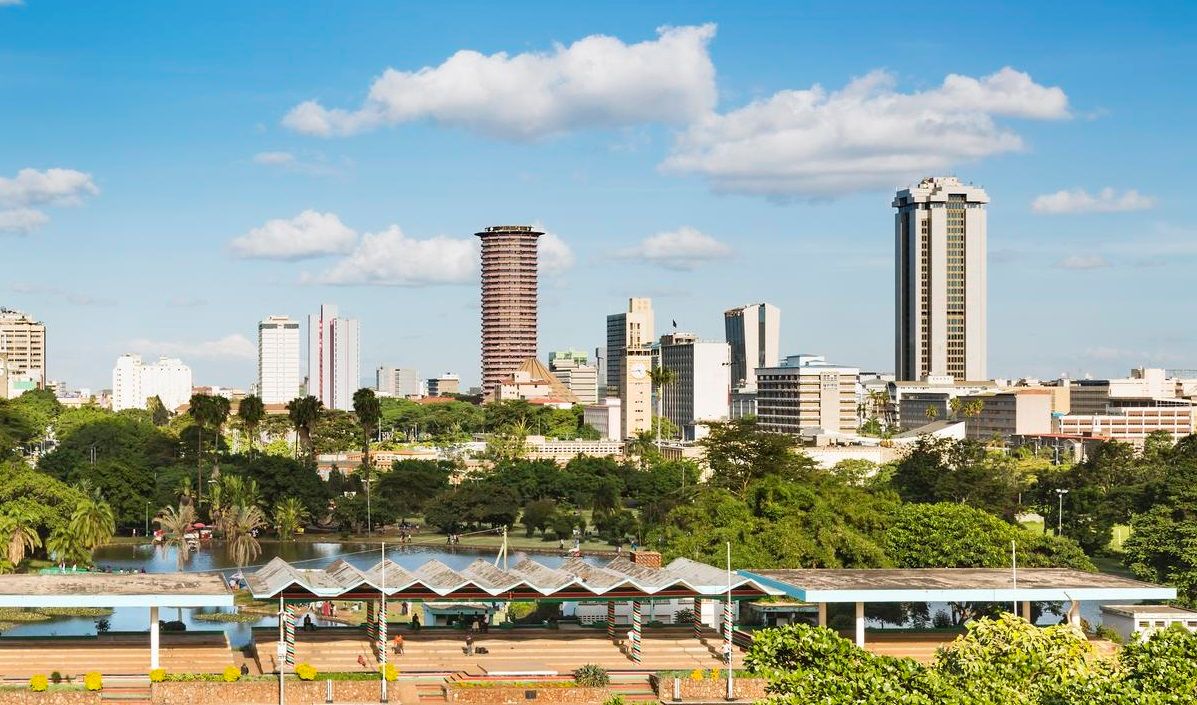
The introduction of devolution in 2010 redistributed power and resources to 47 county governments. While corruption still exists at the county level, localised decision-making has accelerated infrastructure development, improved health services, and enabled more tailored governance.
Counties like Makueni, Kisumu, and Elgeyo Marakwet have become case studies in efficient and people-driven governance, showing that performance varies depending on leadership—even within the same political system.
Kenya’s civil society and media landscape remain among the strongest in Africa. Investigative journalists frequently uncover scandals that put pressure on political figures. Civil society organizations advocate for policy reforms, public accountability, and access to justice.
The result is an environment where, despite corruption, there is constant scrutiny and public discourse, which slows down excesses and sometimes leads to legal or political consequences.
Kenya’s strategic location on the Indian Ocean and its role as an East African trade and diplomatic hub has made it a magnet for foreign interest. International investors, multilateral lenders, and foreign governments view Kenya as a gateway to the region.
As a result, the country continues to attract:
-Foreign direct investment
-Infrastructure loans and grants
-Tech and manufacturing partnerships
This global integration sustains growth, even when domestic governance falters.
Kenya’s ability to grow despite widespread corruption is a testament to the strength and adaptability of its people, institutions, and private sector. However, this growth is not evenly distributed, and the cost of corruption continues to weigh down service delivery, trust in institutions, and long-term equity.
True national transformation will require more than just economic growth—it will demand serious governance reforms, consistent enforcement of the law, and a commitment to integrity from the top down.






0 comments