
Your Read is on the Way
Every Story Matters
Every Story Matters
The Hydropower Boom in Africa: A Green Energy Revolution Africa is tapping into its immense hydropower potential, ushering in an era of renewable energy. With monumental projects like Ethiopia’s Grand Ethiopian Renaissance Dam (GERD) and the Inga Dams in the Democratic Republic of Congo, the continent is gearing up to address its energy demands sustainably while driving economic growth.
Northern Kenya is a region rich in resources, cultural diversity, and strategic trade potential, yet it remains underutilized in the national development agenda.

Can AI Help cure HIV AIDS in 2025
Why Ruiru is Almost Dominating Thika in 2025

Mathare Exposed! Discover Mathare-Nairobi through an immersive ground and aerial Tour- HD

Bullet Bras Evolution || Where did Bullet Bras go to?
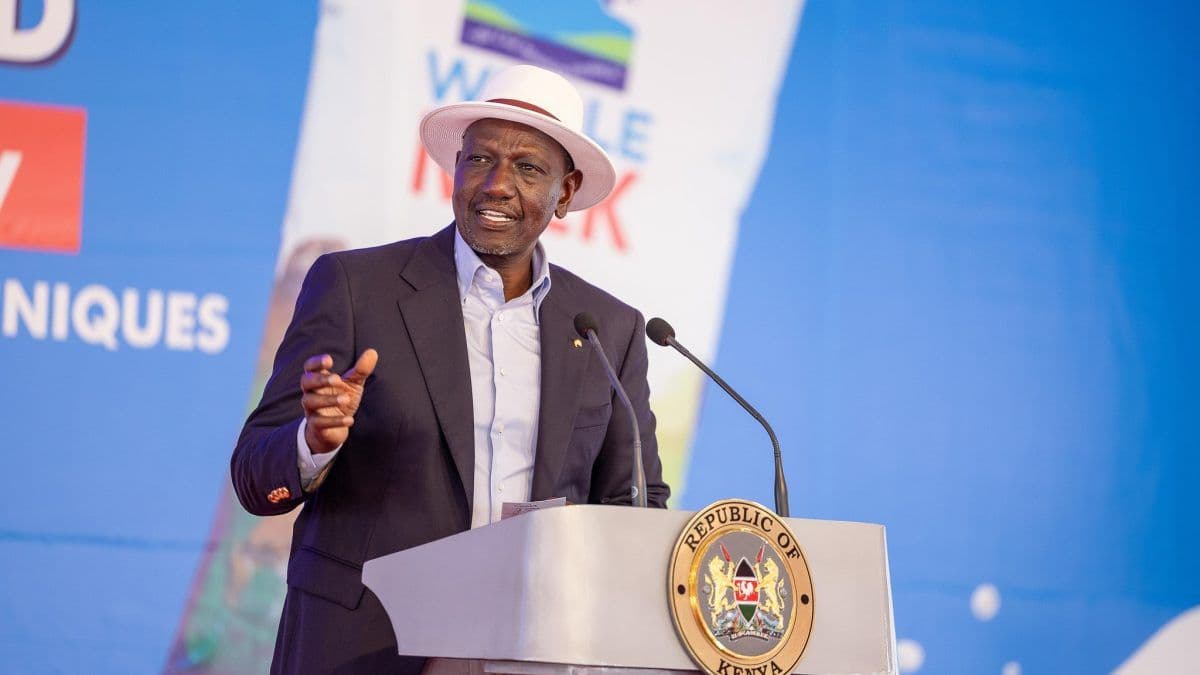
President William Ruto has declared his intention to transform Meru town into Kenya’s fifth official city. Speaking passionately to residents at Makutano Junction, Meru, he revealed that the government already has plans underway to realize this ambition, aligning it with national goals of urban development and regional equity.
Meru’s elevation comes on the back of strong population growth, increased commercial activity, and a surge in infrastructural upgrades that mirror what Kenya’s other cities—Nairobi, Mombasa, Kisumu, and Nakuru—have undergone in previous years.
To back this declaration, the President announced an immediate allocation of Ksh2 billion to support the development of 16 new modern markets in the region. The aim is to not only empower local traders but to establish the town as a commercial and investment hub for Eastern Kenya.
These markets are part of a strategic upgrade meant to give Meru the commercial clout and physical infrastructure expected of a city. President Ruto emphasized that economic readiness would go hand-in-hand with policy decisions on urban elevation.
In a move that signaled urgency, Ruto tasked Water and Sanitation Cabinet Secretary Eric Mugaa to ensure Meru’s sewer system is fully operational by December. This directive comes amid widespread concerns over poor sanitation facilities, which have long undermined the town’s growth potential.
According to the President, a functioning sewer system is a non-negotiable prerequisite for city status. It reflects not only hygiene standards but the government's seriousness about offering sustainable urban living.
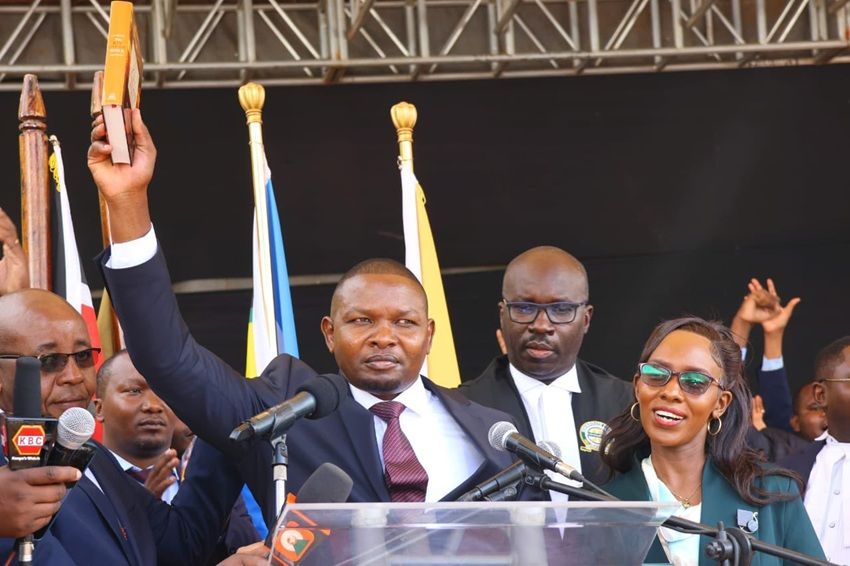
The elevation request was originally initiated by Meru Governor Isaac Mutuma, who praised the region’s steady development, including the completion of several key infrastructure projects. He appealed to the President to reward this progress by officially recognizing Meru as Kenya’s next city.
Mutuma stressed that once the sewer system is completed, Meru would meet the benchmarks necessary for cityhood, including population size, infrastructure, and a formal development plan.
Meru’s journey follows in the footsteps of Nakuru, which gained city status in 2021 under former President Uhuru Kenyatta. Nakuru's elevation was triggered by demographic expansion, infrastructural growth, and increased revenue generation capacity—all factors that Meru is now aggressively working to mirror.
For Meru to officially become a city, it must satisfy the legal and structural requirements laid out by Kenya’s Urban Areas and Cities Act, including:
-A minimum population of 250,000 residents
-A comprehensive city development plan
-Demonstrated economic sustainability and revenue capacity
If all goes according to plan, Meru could receive its city charter within the next few years, marking a historic milestone for Eastern Kenya.
City status would open Meru to:
-Increased national funding
-More foreign and domestic investments
-Improved planning and service delivery
-Urban job creation
-Tourism and cultural promotion
The move is expected to not only change Meru’s skyline but also strengthen its political and economic standing nationally.





0 comments