The Hydropower Boom in Africa: A Green Energy Revolution
Africa is tapping into its immense hydropower potential, ushering in an era of renewable energy. With monumental projects like Ethiopia’s Grand Ethiopian Renaissance Dam (GERD) and the Inga Dams in the Democratic Republic of Congo, the continent is gearing up to address its energy demands sustainably while driving economic growth.
Incredible Views of Major Northern Kenya Towns 2025
Northern Kenya is a region rich in resources, cultural diversity, and strategic trade potential, yet it remains underutilized in the national development agenda.
Mathare Exposed! Discover Mathare-Nairobi through an immersive ground and aerial Tour- HD
Bullet Bras Evolution || Where did Bullet Bras go to?
Kenya’s March Weather: From Scorching Sun to Sudden Storms
08/03/2025
6mo
0
0
0
0
Kenya’s March Weather: From Scorching Sun to Sudden Storms FILE | Courtesy
0
0
0
0
ByAmara Patel
Key Take-aways from this Story
Temperature: Daytime highs averaging around 26°C (79°F), with nighttime lows dropping to 15°C (59°F).
Rainfall: A noticeable increase, with an average of 56mm (2.2 inches) spread over approximately 19 days.
Humidity: Climbs to an average relative humidity of 67%, making some days feel quite muggy.
Thunderstorms: More frequent, especially in the afternoons, signaling the shift towards the long rain season.
UV Index: Remains high, necessitating sun protection, especially during peak hours of sunshine.
Detailed Weather Forecast for Kenya in March
As Kenya moves deeper into the first quarter of the year, the arrival of March marks a pivotal shift in the country’s weather patterns. The dry and relatively stable conditions of previous months give way to an increase in moisture, signaling the beginning of the long rain season. This transition is accompanied by significant changes in temperature, humidity, and precipitation levels, making March a month of fluctuating weather. Residents and visitors alike will need to adapt to the new climate dynamics, as warm sunny mornings often turn into cloudy, storm-laden afternoons.
Temperature Trends
Kenya’s temperatures in March remain relatively warm, with daytime highs averaging around 26.8°C (80.2°F). This warmth provides a comfortable environment for most outdoor activities, especially in the earlier hours of the day when the air is less humid and the skies are clearer. As the month progresses, temperatures remain stable, with minor fluctuations that bring the daily average closer to 27°C (81°F) by the end of March. The nights, however, are significantly cooler, with temperatures dropping to around 15.3°C (59.5°F). These cooler nights create a refreshing contrast to the warmth of the day, making early mornings particularly pleasant. The steady transition between warm days and cool nights is a characteristic of March, offering a mixed bag of comfort and unpredictability.
Rainfall and Humidity
The most significant change that March brings is the sharp increase in rainfall. After months of relatively dry conditions, Kenya starts to experience more consistent precipitation, with an average of 56mm (2.2 inches) of rainfall recorded over approximately 19 days. While the rains are not yet at their peak, this steady increase in moisture marks the transition into the long rain season. The combination of rising temperatures and more frequent rain also pushes humidity levels higher, with average relative humidity hovering around 67%. On certain days, particularly after heavy downpours, the air can feel dense and muggy, making it slightly uncomfortable for prolonged outdoor activities. However, the presence of regular showers helps in keeping the environment cool, preventing excessive heat buildup.
Thunderstorm Activity
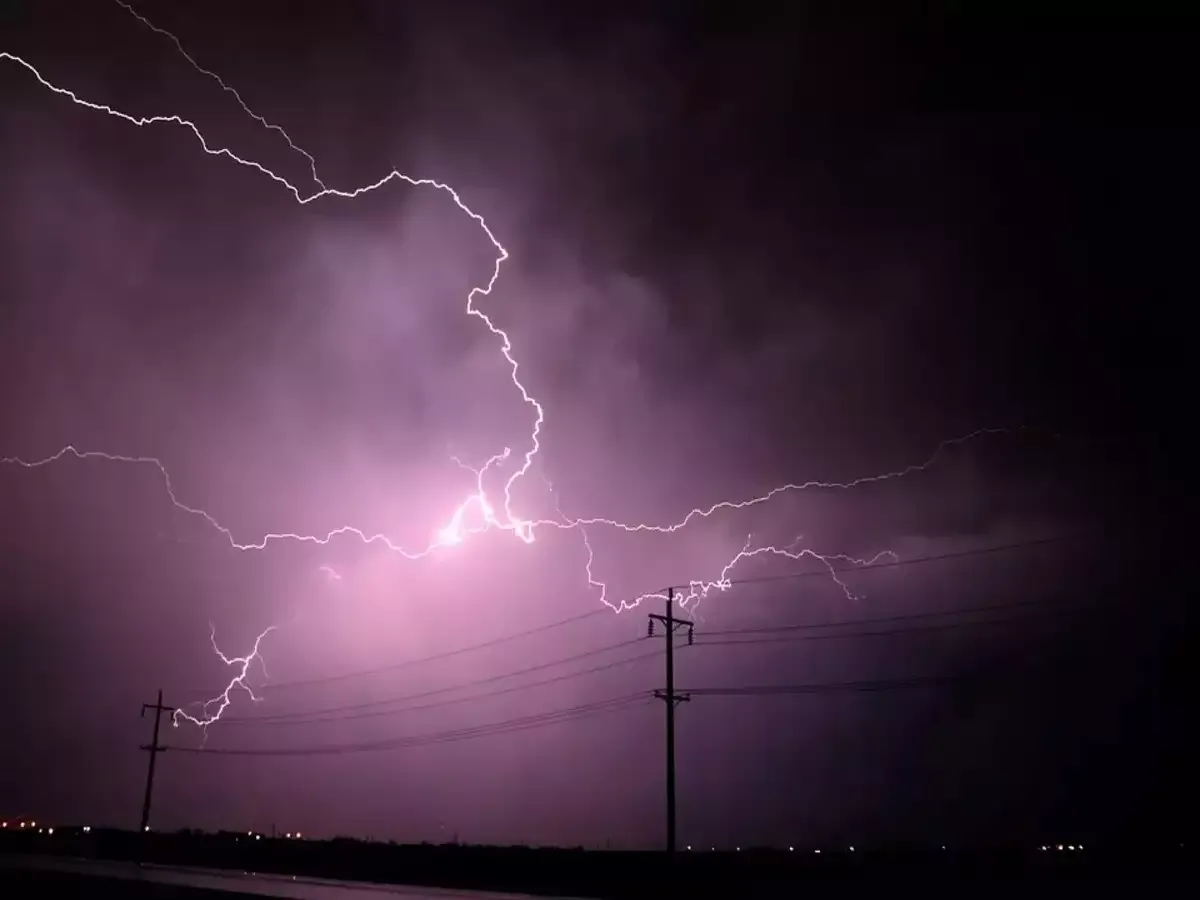
Lightning striking during the night view. Source: indiatimes.com
One of the defining features of March’s weather in Kenya is the increased occurrence of thunderstorms. These storms, often short but intense, are most common in the afternoons. The day may start off with clear or partly cloudy skies, but as the heat builds up, towering clouds begin to form, culminating in sudden downpours and dramatic lightning displays. Thunderstorms at this time of year are typically accompanied by strong winds, occasional hail, and bursts of heavy rainfall that can disrupt outdoor activities and traffic flow. Although these storms can be brief, they serve as a clear signal of the shifting season, and locals are advised to stay updated with daily forecasts to avoid getting caught in sudden downpours. The rapid development of storm clouds and the unpredictability of rainfall patterns make carrying an umbrella or a raincoat a wise choice for those commuting or working outdoors.
Sunshine and UV Index
Despite the increase in cloud cover and rainfall, Kenya still enjoys a substantial amount of sunshine in March. On average, the country experiences around 8 hours of sunshine per day, though this varies depending on the frequency and intensity of rainfall in different regions. While mornings tend to be bright and pleasant, the afternoons are often characterized by cloud buildup and eventual rain showers. The UV index during this period remains high, meaning prolonged exposure to the sun without protection could result in sunburn or skin damage. Residents and visitors are advised to take necessary precautions, such as applying sunscreen, wearing sunglasses, and dressing in light but protective clothing. Since the sun can be particularly strong before the clouds roll in, those engaging in outdoor activities should plan for morning hours to maximize comfort.
Recommendations for Residents and Visitors
Given the fluctuating weather conditions in March, it is important to dress appropriately. Light and breathable clothing is ideal for the warm daytime temperatures, but carrying an extra layer, such as a light jacket or a waterproof coat, can be useful when unexpected rain showers occur. An umbrella is also a practical item to have on hand, especially in regions where thunderstorms are more frequent.
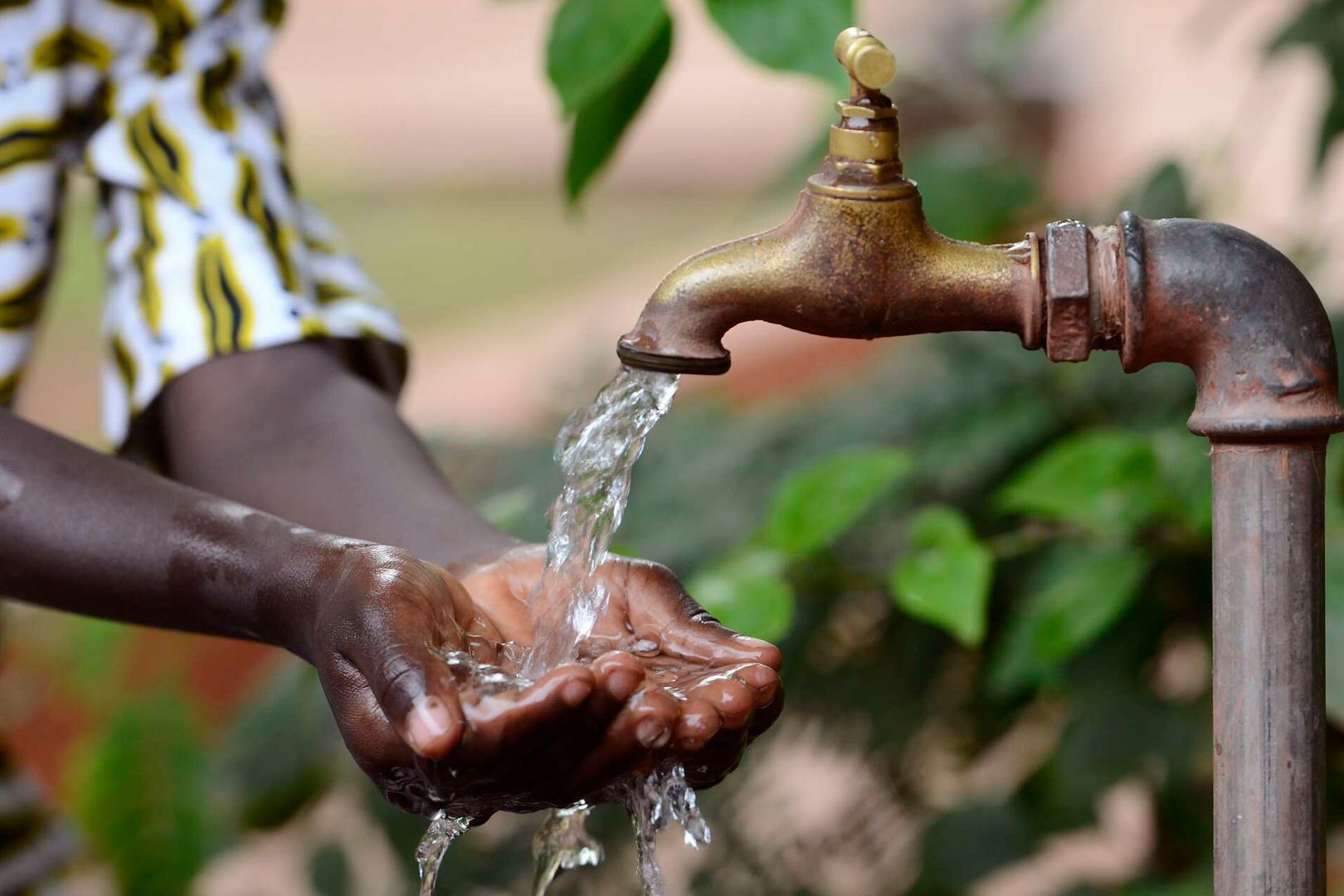
Drinking sufficient water throughout the day helps regulate body temperature. Source: SHUTTERSTOCK
Health-wise, hydration is key in dealing with the increased humidity. Drinking sufficient water throughout the day helps regulate body temperature and keeps energy levels stable. Additionally, given the high UV index, it is essential to apply sunscreen and wear protective accessories like hats and sunglasses, even on seemingly overcast days.
For those planning outdoor activities, early mornings offer the best conditions, as the weather tends to be more stable before cloud formations develop in the afternoon. Outdoor plans should remain flexible to accommodate potential changes in weather, as sudden rainfall and thunderstorms can occur without much warning.
Conclusion
March in Kenya marks the beginning of a dramatic seasonal shift, bringing an end to the dry spell and introducing the first signs of the long rain season. With rising humidity, frequent thunderstorms, and fluctuating temperatures, this month offers a mix of both warm sunshine and stormy afternoons. While the changes can be unpredictable, being prepared with appropriate clothing, hydration, and weather awareness will ensure that residents and visitors can navigate the season comfortably. Whether basking in the morning sun or taking shelter from a sudden downpour, March’s dynamic weather makes it a fascinating time to experience Kenya’s climate in transition.











0 comments