
Your Read is on the Way
Every Story Matters
Every Story Matters
The Hydropower Boom in Africa: A Green Energy Revolution Africa is tapping into its immense hydropower potential, ushering in an era of renewable energy. With monumental projects like Ethiopia’s Grand Ethiopian Renaissance Dam (GERD) and the Inga Dams in the Democratic Republic of Congo, the continent is gearing up to address its energy demands sustainably while driving economic growth.
Northern Kenya is a region rich in resources, cultural diversity, and strategic trade potential, yet it remains underutilized in the national development agenda.

Can AI Help cure HIV AIDS in 2025

Why Ruiru is Almost Dominating Thika in 2025

Mathare Exposed! Discover Mathare-Nairobi through an immersive ground and aerial Tour- HD

Bullet Bras Evolution || Where did Bullet Bras go to?
Kenya's delicate political landscape was thrust back into turmoil on Thursday as protests flared in Nairobi following the controversial death of Albert Ojwang, a 31-year-old teacher, who died while in police custody.
His arrest stemmed from an online post criticizing a senior officer, Deputy Inspector-General Eliud Kipkoech Lagat. The brutality of the incident echoed deeply with a population already familiar with stories of excessive force, sparking a swift and impassioned response from citizens.
Hundreds of demonstrators took to the streets in small, defiant groups, disrupting Nairobi’s business district. Skirmishes broke out with police officers who responded with tear gas and rubber bullets. Several injuries were reported, and at least two cars were torched. Protesters made it clear—this was not just about one man’s death, but about the unchecked power of law enforcement and the broader repression of public dissent.
Ironically, the violence erupted just as Treasury Cabinet Secretary John Mbadi was presenting the 2025/26 budget—an economic plan painstakingly crafted to avoid the kind of explosive reaction that forced the government to abandon last year’s finance bill. At the heart of the new KSh 4.2 trillion budget lies a clear shift: it avoids direct tax hikes on ordinary citizens, instead placing the burden on businesses through higher income taxes and social contributions.
Mbadi addressed Parliament with an unusually solemn tone, calling for a minute of silence to honor those killed during last year's protests. He acknowledged the past mistakes, noting that public outrage had taught the government “the importance of values and principles of governance.” A new digital portal was cited as a gesture toward transparency and citizen participation, but it hasn’t been enough to quell skepticism.
In a digital age, Kenya’s attempt to restrict critical voices has become a flashpoint. Just weeks before the budget announcement, a software developer was detained for creating an alternative site that criticized the government's financial plans and offered a platform for citizens to express discontent.
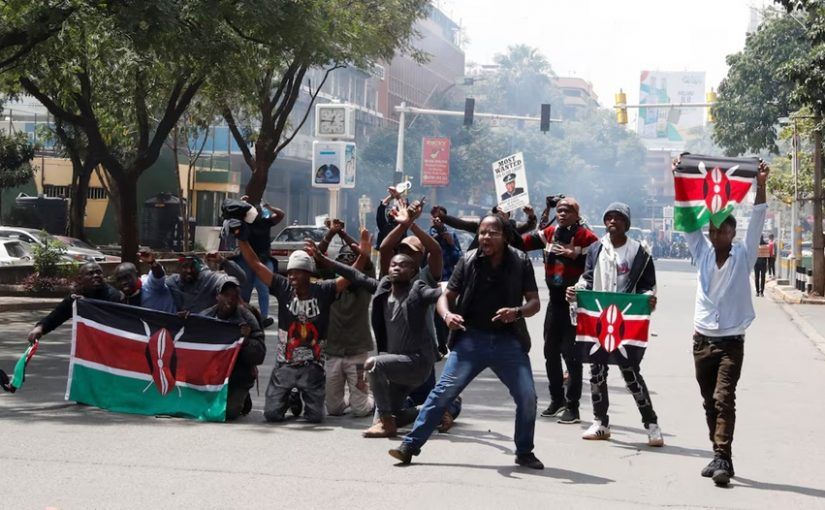
This arrest, combined with the killing of Ojwang, has fueled the perception that the state is clamping down not only on physical demonstrations but also on digital expression. It has reawakened memories of 2024’s youth-led revolts, where thousands stormed Parliament and 60 lives were lost. The trauma of that period lingers—and it colors the way Kenyans now interpret even the most cautious of government moves.
The new budget, in many ways, is a calculated retreat from last year’s aggressive fiscal policies. By targeting loopholes and trimming government spending, the Treasury hopes to boost revenue without provoking outrage. Analysts agree it is far less provocative than the 2024 version—but this hasn't insulated the administration from criticism.
Critics point out that while consumer tax hikes were avoided, indirect increases and new fees could still squeeze the informal sector and small businesses. Kenya is also borrowing KSh 923 billion to plug the budget deficit, with nearly two-thirds of that from domestic lenders, raising concerns about crowding out the private sector.
Despite the government’s cautious approach, the streets suggest a different story—one of mounting frustration. With the cost of living high, job opportunities scarce, and freedom of speech seemingly under threat, tension hangs thick in the air.
The World Bank has already slashed Kenya’s growth forecast from 5.0% to 4.5%, citing global headwinds and internal instability. And as rights abuses, police misconduct, and economic inequalities continue to coalesce, Kenya may find it difficult to maintain the fragile balance it now treads.
As tear gas clouded Nairobi’s skyline and Parliament debated fiscal prudence, the disconnect between street-level anger and official rhetoric could not have been more stark. Kenya may have sidestepped a tax revolt for now, but the nation’s deeper wounds—of police brutality, suppressed dissent, and public distrust—remain wide open.
The fate of Mbadi’s budget will depend not just on numbers and targets, but on whether it can be seen as part of a broader social contract—one that protects lives, upholds freedoms, and restores public faith in governance.






0 comments