
Your Read is on the Way
Every Story Matters
Every Story Matters
The Hydropower Boom in Africa: A Green Energy Revolution Africa is tapping into its immense hydropower potential, ushering in an era of renewable energy. With monumental projects like Ethiopia’s Grand Ethiopian Renaissance Dam (GERD) and the Inga Dams in the Democratic Republic of Congo, the continent is gearing up to address its energy demands sustainably while driving economic growth.
Northern Kenya is a region rich in resources, cultural diversity, and strategic trade potential, yet it remains underutilized in the national development agenda.

Can AI Help cure HIV AIDS in 2025

Why Ruiru is Almost Dominating Thika in 2025

Mathare Exposed! Discover Mathare-Nairobi through an immersive ground and aerial Tour- HD

Bullet Bras Evolution || Where did Bullet Bras go to?
At first, it was just another morning along the Marigat-Loruk corridor—dusty, quiet, and predictable. That illusion shattered when word began to trickle in: a convoy transporting food supplies and medical kits to isolated trading posts near Nginyang had gone off the grid. The trucks, manned by local drivers and guarded by what was supposed to be a routine security escort, failed to reach their destination. No distress call. No GPS signal. No explanation. By midday, radio chatter turned frantic, speculation turned grim, and by the hour, the incident began to smell less like an accident and more like an ambush.
But for the people of Mogotio, Nato, and the wider Baringo belt, this wasn’t a breaking story—it was the latest entry in a blood-soaked logbook of highway horrors. For years, communities living along this route have witnessed the slow degradation of safety and trust. Armed criminals, sometimes referred to loosely as bandits and other times as "unknown gunmen," have turned this vital artery into a corridor of fear. Yet with each reported death, there has always been one constant: silence. No justice, no arrests, no restitution—only headlines that fade with the news cycle. This time, though, something different stirred in the air. The silence wasn’t just unbearable—it was unacceptable.
By late morning, the anger had found its legs. Men, women, and even teenagers poured into the highway with whatever they could carry—stones, logs, scrap metal, and burning tyres. They didn’t come with chants or carefully crafted slogans. Their protest wasn’t rehearsed. It was raw, personal, and driven by loss. They shut down the Marigat-Nakuru road with strategic efficiency, halting every vehicle, redirecting traffic, and forcing a region to reckon with the cost of forgotten lives. They weren’t simply mourning the vanished convoy—they were demanding that the system finally account for those it continuously failed to protect.

For many, this protest was about more than the latest victims. It was about Kipchirchir, the young driver killed months earlier while travelling under police escort—shot dead in broad daylight. It was about market women ambushed en route to Chemolingot. It was about school buses rerouted, ambulances delayed, and funeral processions turning into near-battle zones. This highway, once a lifeline, had become a death sentence. And now, the community had decided to put it on trial.
The blockade brought the region to a near-standstill. Families trying to reach Lake Bogoria for weekend retreats were stuck in the heat for hours. Commercial trucks transporting perishable goods rotted in the sun. Drivers were forced to turn around and take detours through dangerous and longer backroads—routes like Emening-Tenges-Kabarnet, which doubled travel time and multiplied fuel costs. Meanwhile, in the villages nearby, the mood darkened with every minute of government silence.
The crowd grew not because people were being mobilized, but because people were being heard—by each other. In the absence of state attention, solidarity had become a form of survival. Residents shared water, food, and stories of past trauma, building a collective narrative of resistance that no one could dismiss as isolated or impulsive. It wasn’t about politics anymore. It was about dignity. And dignity, once awakened, refuses to sleep again.
As the situation spiraled into its sixth hour, pressure mounted on local authorities. The Baringo County Commissioner, flanked by uneasy security officials, finally arrived on site. Tensions surged. Many demonstrators demanded answers, not apologies. A few wanted arrests. Most simply wanted assurance that their lives wouldn’t be treated as disposable.
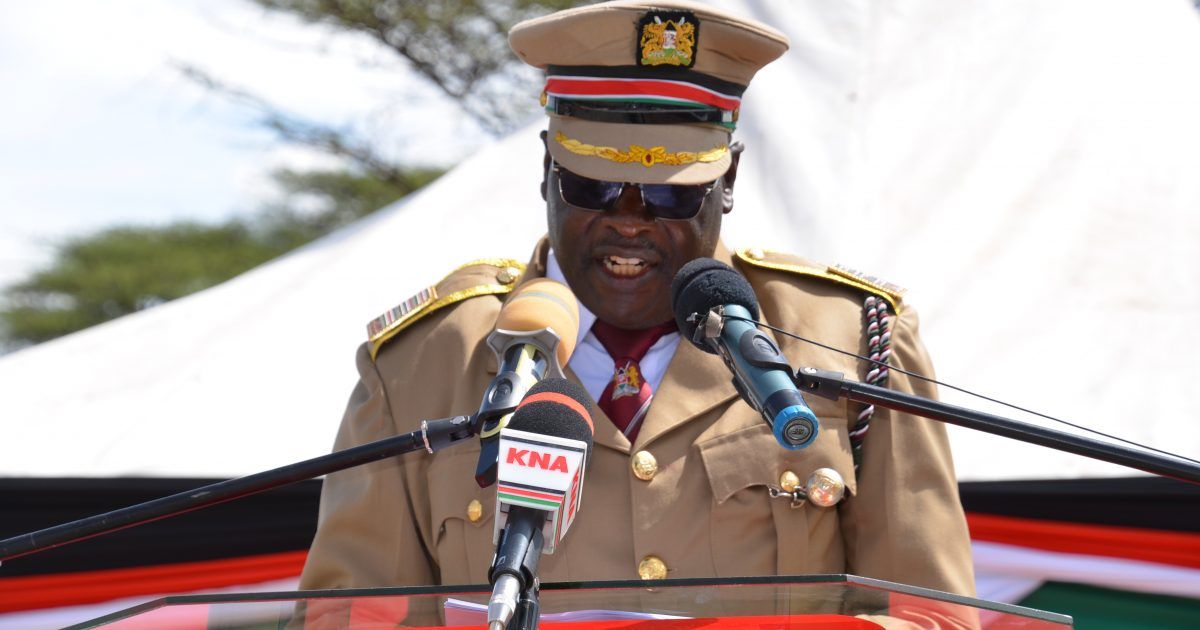
After lengthy negotiations, the protesters agreed to lift the blockade under one condition: a face-to-face meeting with elected leaders that Friday to map out a real, funded, and time-bound plan for highway security. No more vague statements. No more task forces that vanish like the convoys they were meant to protect.
The authorities conceded. Perhaps it was strategy, perhaps it was desperation. But the road reopened. Traffic inched forward. And the people, tired and scorched by sun and injustice, returned home—not defeated, but determined.
In the aftermath, the government initiated intensified patrols along the Marigat-Chemolingot corridor. Security vehicles now shadow civilian ones between towns, a sight both reassuring and ironic. Because for the residents of Baringo, patrols are only one piece of the puzzle. What they really want is a transformation of how their lives are valued by those in power.
They want infrastructure that isn’t patched together like an afterthought. They want emergency response teams that respond before the blood dries. They want the right to go to work, to school, to market—and come back alive.
The echoes of this protest will not fade quickly. Because this wasn’t just about transport. It was about a wound finally refusing to stay hidden beneath the surface.






0 comments