
Your Read is on the Way
Every Story Matters
Every Story Matters
The Hydropower Boom in Africa: A Green Energy Revolution Africa is tapping into its immense hydropower potential, ushering in an era of renewable energy. With monumental projects like Ethiopia’s Grand Ethiopian Renaissance Dam (GERD) and the Inga Dams in the Democratic Republic of Congo, the continent is gearing up to address its energy demands sustainably while driving economic growth.
Northern Kenya is a region rich in resources, cultural diversity, and strategic trade potential, yet it remains underutilized in the national development agenda.

Can AI Help cure HIV AIDS in 2025

Why Ruiru is Almost Dominating Thika in 2025

Mathare Exposed! Discover Mathare-Nairobi through an immersive ground and aerial Tour- HD

Bullet Bras Evolution || Where did Bullet Bras go to?
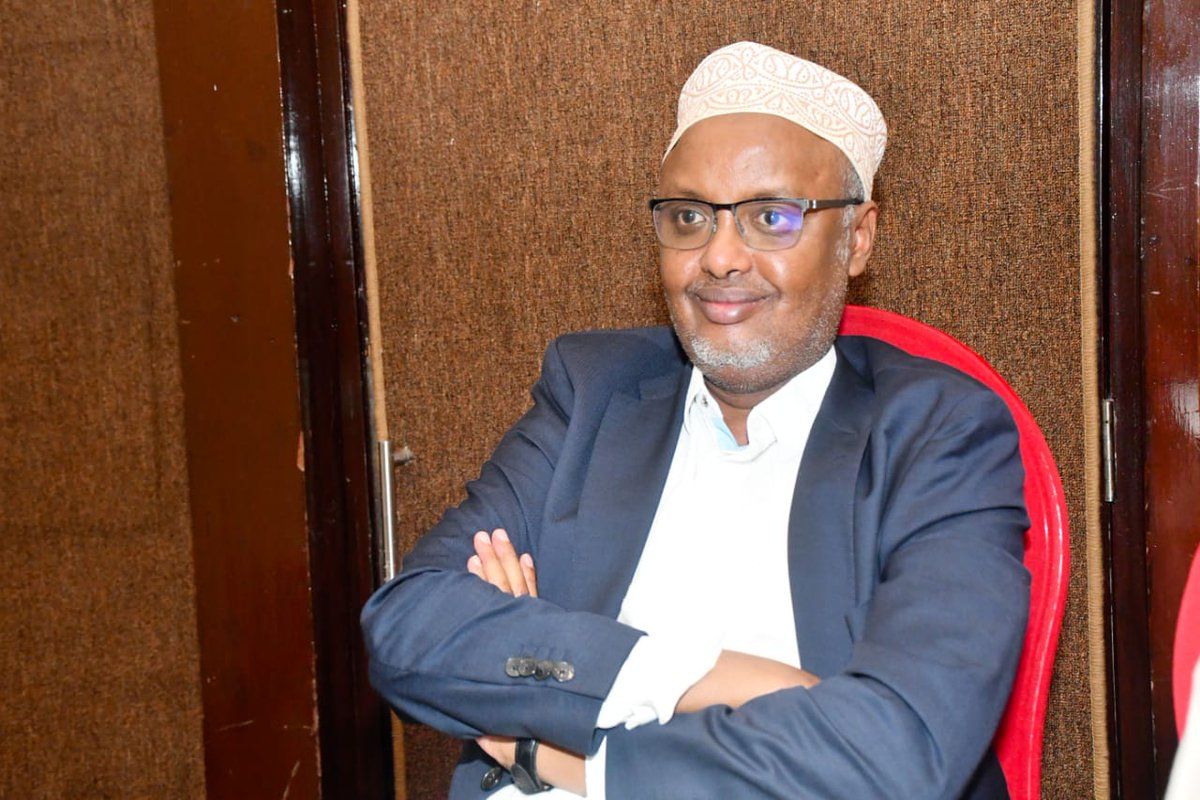
President William Ruto has reappointed Feisal Abass as the non-executive Chairperson of the Privatisation Commission, locking in a pivotal figure to drive one of Kenya’s most aggressive economic reform strategies: offloading public assets to the private sector. The appointment, made official through a gazette notice dated July 18, grants Abass a new three-year term at the helm of the commission.
This move isn’t just symbolic—it’s strategic. Abass returns to a seat he previously held under former President Uhuru Kenyatta, now with greater powers and a fresh legislative mandate under the Privatisation Act of 2023. His reappointment is widely viewed as a clear signal that the Ruto administration is serious about turning government assets into private sector growth engines.
Established under the Privatisation Act of 2005, the Commission is responsible for designing and executing Kenya’s privatisation agenda. With its mandate recently expanded and refined by the new 2023 law, the body is now expected to act with greater speed and strategic clarity—qualities the government believes Abass can deliver.
Abass is no stranger to the game. A seasoned economist with degrees from the American University in Cairo and the University of Nairobi, his experience in both public administration and private enterprise places him in a unique position to navigate the delicate politics and intense scrutiny surrounding state asset sales.
At the London Stock Exchange earlier this month, President Ruto unveiled the government’s plan to begin with listing the Kenya Pipeline Company (KPC) on the Nairobi Securities Exchange. It's a bold move aimed at opening up state-controlled infrastructure to private capital and operational efficiency.
More assets are expected to follow, with the Commission tasked to curate a "robust pipeline" of opportunities, whether through direct IPOs or blended public-private partnerships. The goal: unlock economic value, reduce bureaucratic inefficiencies, and court both domestic and foreign investors.
The timing of Abass’s return is deliberate. With the 2023 Privatisation Act in place, his leadership is expected to stabilize the Commission's internal mechanics while also driving its public-facing agenda. This includes not just asset valuation and listing, but navigating opposition from political actors and public service unions wary of layoffs or foreign control.
But with full presidential backing, and a clearer legal pathway, Abass has more leverage now than in his first stint. The Commission’s decisions are now enforceable with greater authority under the Employment and Labour Relations Court, making the implementation of privatisation plans less susceptible to bureaucratic sabotage.
Abass’s credentials are solid, but expectations are high. The Kenyan public has long viewed privatisation with skepticism, often associating it with asset stripping or foreign domination. His challenge will be to build trust and transparency into a process that’s been opaque for too long.
The economic backdrop also demands urgency: budget deficits, growing debt pressure, and a need for more efficient public service delivery. If managed well, the sale of bloated or underperforming state corporations could offer a lifeline—not just to the treasury, but to job creation and infrastructure growth.
In a country where political appointments often lean on loyalty over competence, Feisal Abass’s reappointment is a rare blend of continuity and capability. As Kenya enters a critical phase in its economic transformation, all eyes will be on the Commission he now leads—tasked not just with selling assets, but with selling a vision of a leaner, more productive state.
The question isn't just whether Abass can sell Kenya's assets. It’s whether he can sell Kenyans on the need to let them go.





0 comments