
Your Read is on the Way
Every Story Matters
Every Story Matters
The Hydropower Boom in Africa: A Green Energy Revolution Africa is tapping into its immense hydropower potential, ushering in an era of renewable energy. With monumental projects like Ethiopia’s Grand Ethiopian Renaissance Dam (GERD) and the Inga Dams in the Democratic Republic of Congo, the continent is gearing up to address its energy demands sustainably while driving economic growth.
Northern Kenya is a region rich in resources, cultural diversity, and strategic trade potential, yet it remains underutilized in the national development agenda.

Can AI Help cure HIV AIDS in 2025

Why Ruiru is Almost Dominating Thika in 2025

Mathare Exposed! Discover Mathare-Nairobi through an immersive ground and aerial Tour- HD

Bullet Bras Evolution || Where did Bullet Bras go to?
Kenya is being presented with a false promise, a shiny political surface masquerading as progress while the soul of the nation starves. Post-Moi leadership was expected to usher in a new era of prosperity, equity, and vision. Instead, what has emerged is a leadership class more obsessed with image than impact. From glossy development slogans to lavish conferences, we are witnessing political theatre masking policy failure.
The contradiction is glaring: a digital-savvy elite running an analog economy. The infrastructure grows, but opportunity does not. For the average Kenyan, development feels more like an Instagram filter than a lived reality. And in this illusion, poverty deepens while accountability shrinks.
Education — the backbone of a progressive society — remains largely inaccessible to thousands of children. Fees, inadequate facilities, teacher strikes, and politicized curricula paint a grim picture. Meanwhile, the promise of free education has become a myth recycled every election season.
Basic rights, from healthcare to employment, have been converted into bargaining chips. Human rights violations, especially during public protests, are met with silence or spin. While state officials vacation abroad and hold PR summits, Kenyans are struggling to secure food, safety, and dignity.
Political discourse has degenerated into shallow name-calling, stage-managed rivalries, and media-fueled spectacles. Beneath this circus is a well-oiled propaganda machine, pushing narratives designed to numb public outrage and drown dissent in noise. The result? A population sedated by slogans but shackled by hardship.
Public leaders no longer govern; they perform. And the state has become a marionette stage where truth, vision, and responsibility are sacrificed for applause. The deeper issues — poverty, inflation, unemployment, healthcare — are ignored in favor of tribal coalitions and loyalty games.
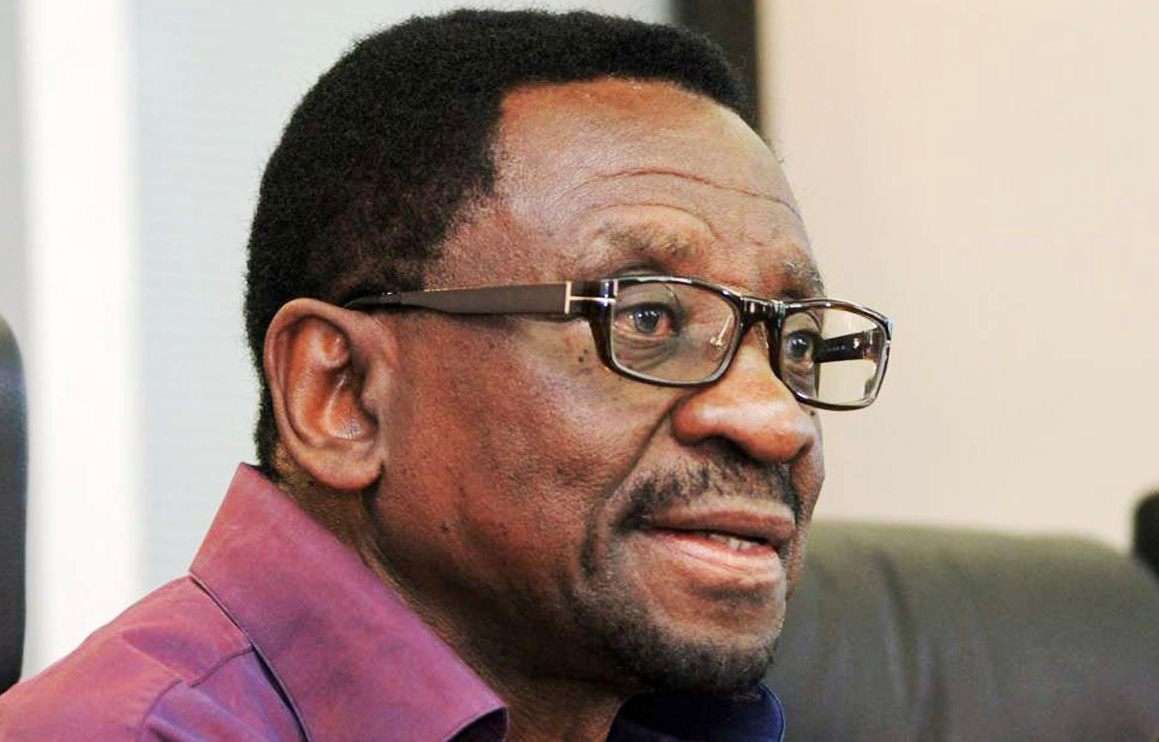
In a rare moment of honesty, Governor James Orengo lifted the curtain on the impotence of the opposition. He questioned the absence of genuine alternatives to the current regime and was met with fire. From orchestrated media attacks to whispers of impeachment, the backlash exposed a dangerous truth: dissent is no longer tolerated, even within traditional bastions of resistance.
Orengo’s critics, including self-declared professionals from Luo Nyanza, should have been allies of free speech. Instead, they chose allegiance over integrity, showcasing how even the intellectual class has been co-opted by political interests. The hypocrisy runs deep. Where were these professionals when innocent Kenyans were brutalized during last year’s protests?
The Kenya Kwanza coalition rode to power on the wings of the “hustler” dream, a promise to uplift the common man. But the dream has turned into a nightmare. Economic policies have favored the wealthy, with tax incentives for helicopter imports while informal traders are harassed and over-taxed.
Instead of empowerment, we have experienced entrenchment. The regime speaks of bottom-up economics, yet its actions scream top-down exploitation. State resources have become tools of patronage, serving those in power while abandoning the hustlers who brought them there.
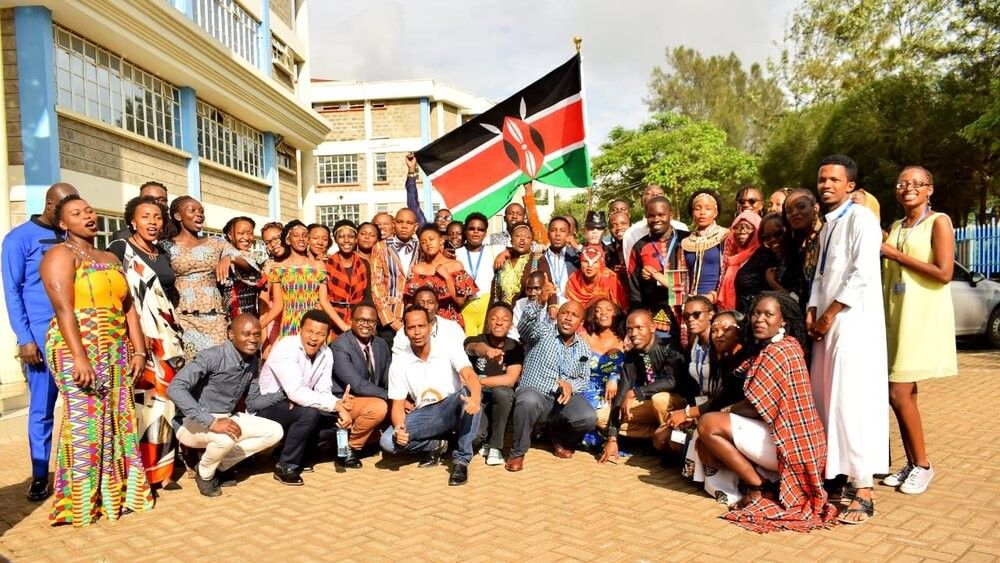
As 2027 draws closer, Kenya must resist the temptation to reduce it to another tribal showdown between old rivals. This cannot be just another “us vs. them” affair. The nation is bleeding from corruption, impunity, nepotism, and institutional decay. What is needed is a realignment of purpose, a contest of ideas, not identities.
Replacing one cohort of looters with another is no revolution. Kenya needs bold visionaries, not recycled politicians in new colors. The next election must be about integrity, inclusiveness, and innovation — not who shouts the loudest at rallies.
Kenya’s young people have long been manipulated into political foot soldiers, used for campaigns and discarded afterward. But that time is over. This generation is more aware, more connected, and more affected by the failures of the current system. They carry the burden of joblessness, inflation, and state neglect.
But they also carry the promise of renewal. The youth must not wait for permission to lead; they must take it. From student councils to startup boards, from county assemblies to civic movements, young Kenyans must build the structures they want to see.
Let the 2027 conversation start in universities, online forums, poetry slams, slum schools, and tech hubs — wherever young voices speak truth. This election cycle belongs to them.
It is not enough to demand change. Kenya needs transformation. That means refusing to normalize mediocrity, rejecting leaders who weaponize ethnicity, and rethinking what leadership truly means. We must no longer celebrate those who amass wealth in public office but those who solve problems with integrity and vision.
Transformation begins when citizens start asking harder questions, organizing smarter, and voting wiser. It starts when we stop treating politics like religion and start treating it like service.
Kenya is not doomed, but it is certainly at the brink. The winds of disillusionment are howling, but so too are the drums of hope. The choice before us is stark: continue in the illusion or awaken to possibility. We must reject the lies dressed as policy, the vanity projects sold as development, and the politicians who speak of unity but sow division.
The time for polite complaints is over. The people must demand a government that lives up to its constitution — one that is truly of, by, and for the people. The opportunity for rebirth is now. Will Kenya answer the call?






0 comments