
Your Read is on the Way
Every Story Matters
Every Story Matters
The Hydropower Boom in Africa: A Green Energy Revolution Africa is tapping into its immense hydropower potential, ushering in an era of renewable energy. With monumental projects like Ethiopia’s Grand Ethiopian Renaissance Dam (GERD) and the Inga Dams in the Democratic Republic of Congo, the continent is gearing up to address its energy demands sustainably while driving economic growth.
Northern Kenya is a region rich in resources, cultural diversity, and strategic trade potential, yet it remains underutilized in the national development agenda.

Can AI Help cure HIV AIDS in 2025

Why Ruiru is Almost Dominating Thika in 2025

Mathare Exposed! Discover Mathare-Nairobi through an immersive ground and aerial Tour- HD

Bullet Bras Evolution || Where did Bullet Bras go to?
Kenya's Agriculture and Livestock Cabinet Secretary (CS) Mutahi Kagwe has announced an immediate government intervention to clear 321,000 bags of wheat currently stuck in granaries across the country. This move comes in response to growing frustration and protests from wheat farmers, who have accused politically connected individuals of monopolizing the market and restricting their ability to sell their produce.
In recent weeks, farmers from wheat-growing regions such as Narok County have taken to the streets, decrying what they describe as elite interference in the wheat supply chain. They allege that millers are under pressure to prioritize purchases from well-connected producers, leaving thousands of small-scale farmers with unsold wheat stored in their facilities.
Speaking during a press briefing on Monday, CS Kagwe directed all wheat farmers and aggregators to begin delivering their stock to the National Cereals and Produce Board (NCPB) starting Tuesday morning.
“We are presuming that within the next two or three days, we will have cleared the entire stockpile of wheat in the country," Kagwe said. "There is absolutely no justification for anyone to hold onto wheat for more than a week when we have the structures in place to support collection and distribution.”
This clearance is intended to free up storage facilities, stabilize the local grain market, and ensure that farmers can access fair prices for their produce without undue delays.
To encourage deliveries and restore farmer confidence, Kagwe assured that payments will be processed within 30 days of delivery to NCPB warehouses countrywide.
The CS also announced stringent verification processes to prevent unscrupulous traders from introducing imported wheat into the system, which would further destabilize local farmers' earnings.
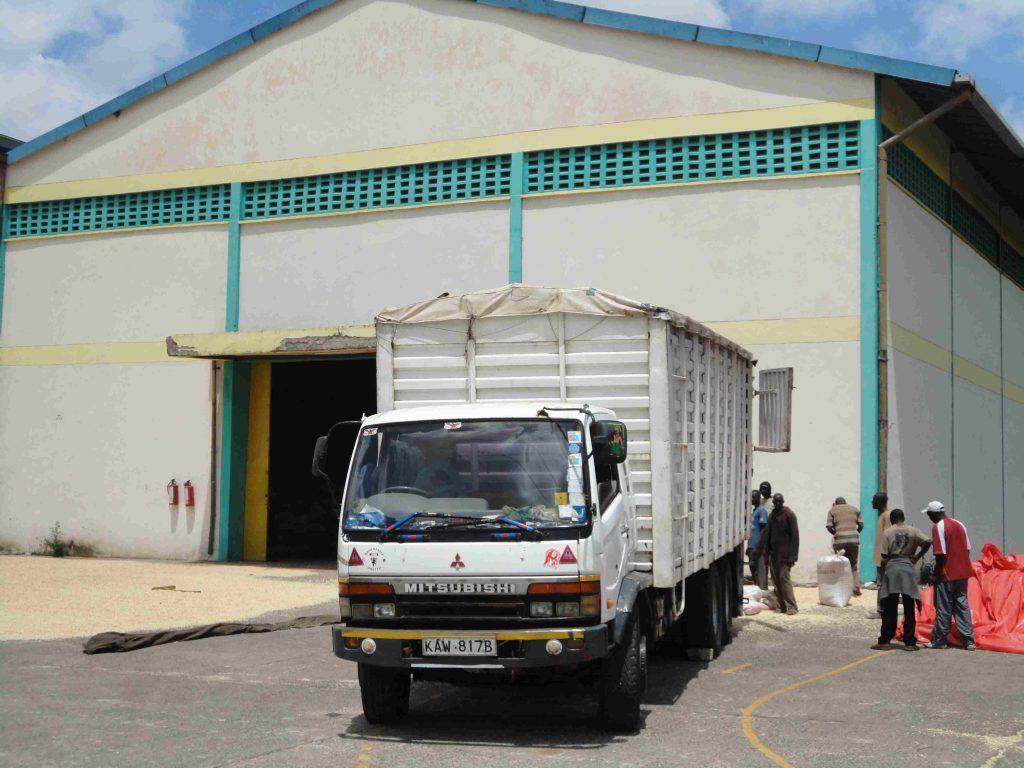
“NCPB is under strict instruction to accept only locally grown wheat," Kagwe said. "We have the capacity to verify and trace the source of wheat, and anyone attempting to hijack this process will face legal action. These measures are designed to protect our farmers.”
Kenya has traditionally relied heavily on imported wheat to meet domestic demand. According to CS Kagwe, the government's goal is to reduce this dependency by boosting local wheat production from the current 8% to over 40% of the national consumption by millers.
By working closely with stakeholders and supporting local farmers, the government hopes to increase productivity, improve food security, and reduce the nation's import bill.
Moreover, Kagwe said that data collected through this wheat collection exercise will help in creating a credible database for the fair distribution of subsidized fertilizer and other farming inputs in the future.
Kagwe’s announcement followed a high-level meeting involving government officials, millers, and farmer representatives. Among those present were Principal Secretary Dr. Paul Ronoh, NCPB Managing Director Samuel Karogo, Agriculture and Food Authority Director-General Dr. Bruno Linyiru, and Agriculture Secretary Collins Marangu.
Industry players were also represented, including Cereal Growers Association (CGA) CEO Anthony Kioko, and Cereal Millers Association (CMA) leaders Paloma Fernandez and Beju Shah. The meeting focused on addressing bottlenecks in the wheat value chain and finding sustainable solutions to ensure farmers receive fair market access.
The intervention comes just days after angry wheat farmers in Narok County staged protests over the stagnation of their sales and declining profits. Many claimed that their wheat had been lying idle in stores for months with no clear market prospects.
The farmers pointed fingers at influential figures within the government, accusing them of manipulating the system to favor their own produce, leaving thousands of other growers unable to make ends meet.
One Narok farmer remarked, “We have worked hard all season, yet our wheat is going to waste while select individuals profit. We demand fairness and accountability.”
The government’s swift response aims to restore order in the market, protect local producers, and build confidence among farmers. With the clearance process now underway, authorities hope to resolve the backlog, stabilize wheat prices, and create lasting reforms that prevent future disruptions.
CS Kagwe reaffirmed the government’s commitment to supporting farmers through policy, infrastructure, and financial interventions, emphasizing that Kenya's agricultural future depends on empowering local producers and safeguarding them from exploitative market practices.






0 comments