
Your Read is on the Way
Every Story Matters
Every Story Matters
The Hydropower Boom in Africa: A Green Energy Revolution Africa is tapping into its immense hydropower potential, ushering in an era of renewable energy. With monumental projects like Ethiopia’s Grand Ethiopian Renaissance Dam (GERD) and the Inga Dams in the Democratic Republic of Congo, the continent is gearing up to address its energy demands sustainably while driving economic growth.
Northern Kenya is a region rich in resources, cultural diversity, and strategic trade potential, yet it remains underutilized in the national development agenda.

Can AI Help cure HIV AIDS in 2025
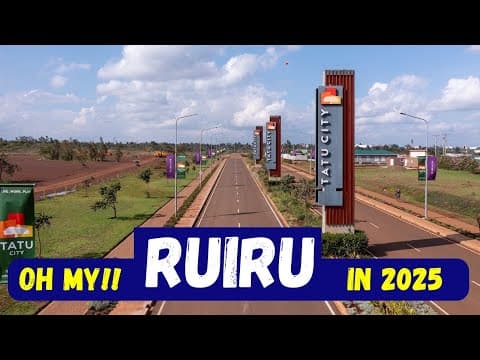
Why Ruiru is Almost Dominating Thika in 2025
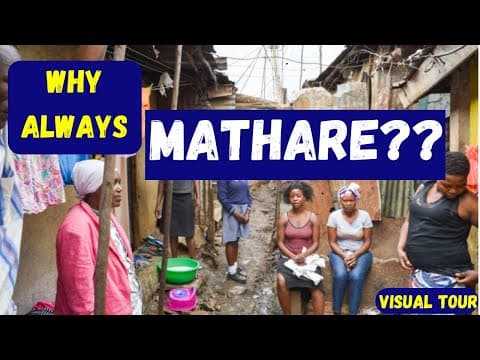
Mathare Exposed! Discover Mathare-Nairobi through an immersive ground and aerial Tour- HD

Bullet Bras Evolution || Where did Bullet Bras go to?
The Revival Ride: Inside Super Metro’s Bold Return to the Streets
It’s back—clean, punctual, and with a renewed swagger. Super Metro, the matatu Sacco that had carved a niche in Nairobi’s chaotic transport system, faced a serious bump in the road. A three-day suspension by the National Transport and Safety Authority (NTSA) grounded its fleet over concerns ranging from poorly trained drivers to vehicles that didn’t make the cut for city roads. But what could have marked a decline turned into a rare transport-sector comeback story. One driven not just by compliance, but by vision.
The Red Light Moment: When the System Hit Pause
NTSA’s suspension wasn’t just punitive—it was a wake-up call. Complaints had been stacking up: aging vehicles with questionable roadworthiness, drivers pushing limits with minimal training, and operational oversights that could no longer fly under the radar. Nairobi’s transportation puzzle is already messy, and a lapse from a trusted player like Super Metro added fuel to commuter frustration. But the authority’s move wasn’t about crippling the Sacco—it was a nudge towards professionalization in a sector long marred by shortcuts.
From Suspension to Strategy: How Super Metro Flipped the Script
Rather than buckle under pressure, Super Metro went into fix-it mode. What emerged was a leaner, smarter operation. They rolled out intensive driver retraining programs, overhauled vehicle checks, and introduced stricter compliance mechanisms. This wasn’t just a patch-up job; it was a transformation. And when NTSA gave them the green light, Super Metro didn’t just resume service—it returned as a standard-setter. Riders noticed the difference, and trust began to rebuild.
Beyond a Matatu: A Sacco with a Business Mindset
Here’s where it gets interesting. Super Metro isn’t just a fleet of minibuses—it’s a member-owned cooperative. That means every bus you see has a story behind it, often a group of individuals pooling resources to stay in the game. This model doesn’t just offer financial empowerment to its members, it also creates a self-policing structure where sloppiness isn’t just bad for business—it’s bad for everyone’s bottom line.
Getting on Board: The Price of Partnership
Joining Super Metro isn’t like signing up for a gym. It requires a membership fee, share capital, and sometimes a long queue of prospective members waiting to earn their stripes. Want to own a Super Metro-branded vehicle? Be ready to shell out anywhere from KES 5 million to KES 7 million, depending on specs and customization. It’s not a low-cost buy-in, but it’s a worthy investment for those who see the long game in Nairobi’s mobility matrix.
Who’s Driving the Ship?
Unlike traditional corporations, Super Metro doesn’t have a single owner. It’s governed by a board elected by members—mostly operators who live and breathe the chaos of city traffic. This democratic structure is part of why Super Metro has weathered storms others haven’t. It’s rooted in shared stakes and shared risk—what affects one affects all.
A Ripple Effect on the City’s Commute Culture
The return of Super Metro isn’t just good news for daily riders—it’s a reminder that Nairobi’s transport future depends on systems that are clean, accountable, and innovative. It’s also a quiet challenge to other Saccos and private operators: adapt or be left behind. In a space where unregulated vehicles still dominate many routes, Super Metro’s evolution shines a light on what’s possible when professionalism meets purpose.
Conclusion: More Than a Comeback—A Blueprint for Change
Super Metro’s suspension wasn’t a stumble—it was a strategic inflection point. By using the time off-road to refocus on quality and compliance, it’s proved that resilience is the true currency of Kenya’s matatu sector. As cities like Nairobi grapple with congestion, air quality, and safety issues, operators like Super Metro are becoming unlikely trailblazers in the urban mobility revolution. What happens next could set the tone for transport reform across the country.






0 comments