
Your Read is on the Way
Every Story Matters
Every Story Matters
The Hydropower Boom in Africa: A Green Energy Revolution Africa is tapping into its immense hydropower potential, ushering in an era of renewable energy. With monumental projects like Ethiopia’s Grand Ethiopian Renaissance Dam (GERD) and the Inga Dams in the Democratic Republic of Congo, the continent is gearing up to address its energy demands sustainably while driving economic growth.
Northern Kenya is a region rich in resources, cultural diversity, and strategic trade potential, yet it remains underutilized in the national development agenda.

Can AI Help cure HIV AIDS in 2025

Why Ruiru is Almost Dominating Thika in 2025

Mathare Exposed! Discover Mathare-Nairobi through an immersive ground and aerial Tour- HD

Bullet Bras Evolution || Where did Bullet Bras go to?
Kenya’s police recruitment system has reached a critical breaking point. With security demands rising and public trust falling, Parliament's Administration and Internal Security Committee has summoned top officials from the National Police Service (NPS) and the Ministry of Interior. At the core of this emergency meeting is a deep evaluation of a system bogged down by inadequate funding, manipulation, and outdated procedures.
Interior Cabinet Secretary Kipchumba Murkomen is leading the Ministry’s response as the Committee intensifies pressure for a full-scale overhaul. The meeting marks a turning point, signaling that Kenya’s leadership is no longer willing to let recruitment inefficiencies quietly fester.
The recruitment of 10,000 new police officers — initially announced to address understaffing across the country — has failed to take off. The reason is as basic as it is damning: there’s no money to fund it.
The NPS has operated under serious financial constraints, limiting both personnel expansion and critical reforms. Members of the Committee argue that without immediate budgetary intervention, national security operations could be compromised. The stalling of this recruitment wave has also left thousands of eligible and qualified young Kenyans in limbo.
To clean up the process, the Ministry of Interior is proposing a complete digitization of police recruitment. The proposed system includes biometric verification, digital assessments, and centralized applicant tracking.
This shift to technology is seen not just as a fix for delays, but as an antidote to the corruption that has dogged past recruitment exercises. Bribery, nepotism, and forged documents have made headlines — and trust in the system has eroded. By minimizing human discretion and maximizing traceability, Parliament hopes this shift will mark a new chapter of transparency.
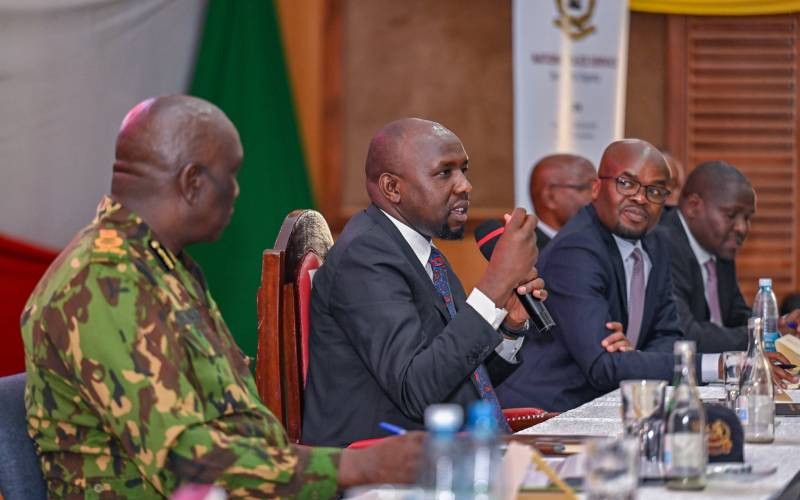
The discussion in Parliament goes beyond mere recruitment. Lawmakers are also revisiting structural recommendations made by police reform commissions. These include improving training academies, enforcing integrity standards, and aligning recruitment with community-based policing needs.
Legislators emphasized that Kenya must stop hiring in volume for its own sake and instead focus on building a force with moral and professional credibility. New recruits must reflect not just physical readiness, but mental discipline and ethical standards.
The credibility of the police begins at the recruitment desk. Kenyans are growing increasingly disillusioned with institutions that appear closed to merit and open to influence. The Committee made it clear: until the entry point into the police force is seen as fair and accountable, every other reform will fall flat.
Several MPs shared that citizens routinely complain of being locked out of the system unless they "know someone" or pay bribes. This meeting is a reckoning, and the Committee has demanded answers, not promises.
Following this session, Parliament is expected to table a report outlining key resolutions — including a call for urgent supplementary funding, a phased rollout of digital tools, and tighter scrutiny of past recruitment practices.
Weekly progress briefings to Parliament may become mandatory. The long-term goal is not just to hire more officers but to restore the institution’s integrity from the foundation up.






0 comments