
Your Read is on the Way
Every Story Matters
Every Story Matters
The Hydropower Boom in Africa: A Green Energy Revolution Africa is tapping into its immense hydropower potential, ushering in an era of renewable energy. With monumental projects like Ethiopia’s Grand Ethiopian Renaissance Dam (GERD) and the Inga Dams in the Democratic Republic of Congo, the continent is gearing up to address its energy demands sustainably while driving economic growth.
Northern Kenya is a region rich in resources, cultural diversity, and strategic trade potential, yet it remains underutilized in the national development agenda.

Can AI Help cure HIV AIDS in 2025

Why Ruiru is Almost Dominating Thika in 2025

Mathare Exposed! Discover Mathare-Nairobi through an immersive ground and aerial Tour- HD

Bullet Bras Evolution || Where did Bullet Bras go to?
President William Ruto has made a bold move to expand his administration by creating seven new Principal Secretary (PS) positions. This decision, while intended to enhance government efficiency, is already stirring debate among Kenyans. Some see it as a necessary step to improve service delivery, while others worry about the additional financial burden it places on taxpayers. With the country already facing economic hardships, the creation of more senior government roles raises questions about whether this is a justified expansion or an unnecessary strain on public resources.
The Public Service Commission (PSC) has been actively working on filling these new roles, narrowing down a massive pool of over 2,500 applicants to just 109 candidates. The list includes notable figures such as former Nairobi Governor Ann Kananu and former MPs Wilson Sossion and Abdullahi Diriye. While this recruitment process aims to bring in qualified individuals to help steer government affairs, it also means a significant increase in administrative costs.
Each Principal Secretary is entitled to a generous salary, benefits, allowances, and office infrastructure. Their appointments also require support staff, official vehicles, and other resources. This is not just about seven individuals getting jobs—it’s about a whole chain of expenses that will now be added to the national budget. At a time when Kenyans are struggling with high taxes, inflation, and a rising cost of living, many wonder whether these new appointments are truly necessary or just another political maneuver.
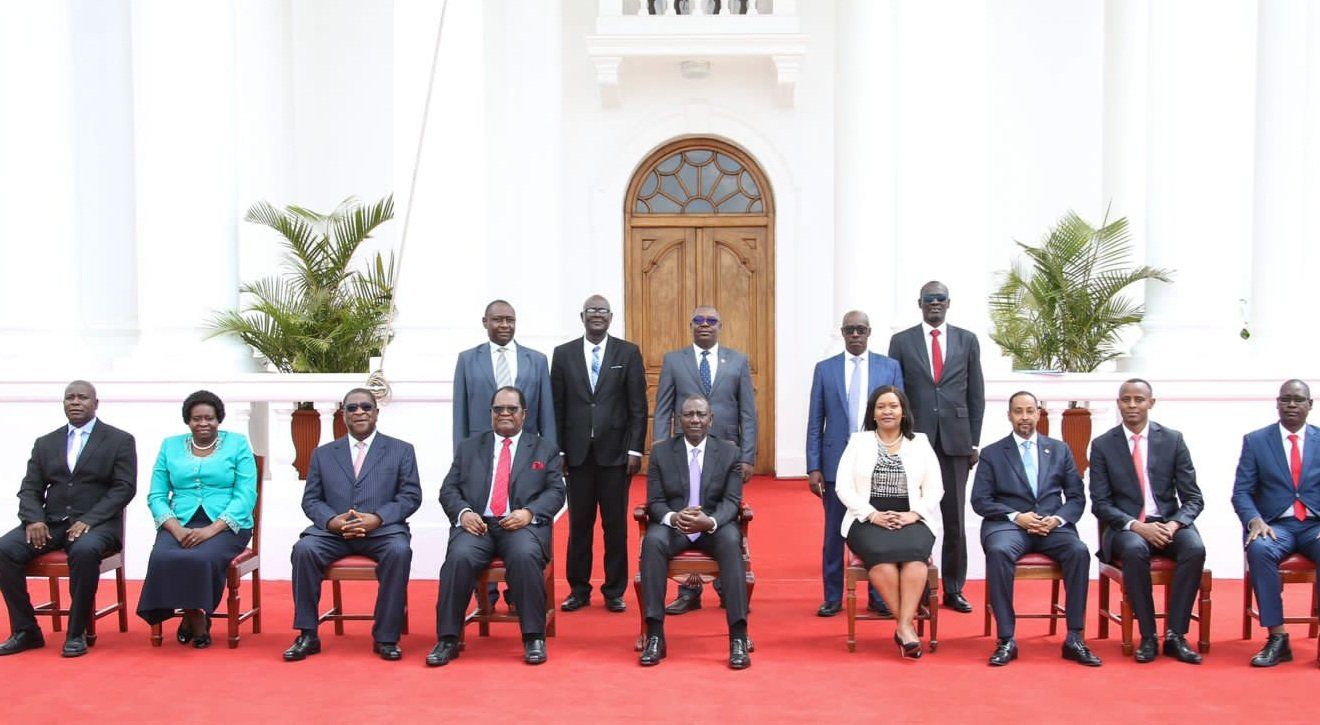
One argument in favor of these new positions is that President Ruto is trying to create a more inclusive government. By appointing individuals from diverse political backgrounds, including some who were previously aligned with opposition parties, he is attempting to unify the nation and build a broader support base. This kind of inclusivity could, in theory, lead to better governance by ensuring that different perspectives are represented in decision-making.
However, skeptics argue that these appointments are less about governance and more about political strategy. It’s no secret that many of those shortlisted for the new PS roles are political figures who either supported Ruto’s campaign or have significant political influence. By bringing them into government, Ruto could be consolidating power, rewarding loyalty, and ensuring that he faces minimal opposition in the future. If that’s the case, then taxpayers are essentially footing the bill for political maneuvering rather than genuine administrative improvements.
For ordinary Kenyans, the expansion of government often translates to one thing—higher costs. The country is already grappling with a debt crisis, heavy taxation, and rising costs of basic goods. Many citizens are feeling the squeeze of economic policies that have made everyday life more expensive. The concern is that adding more high-paying government positions could lead to additional taxes or the reallocation of funds from essential services such as healthcare, education, and infrastructure development.

The government, of course, insists that these new positions will improve service delivery and efficiency. But without clear explanations on how these appointments will directly benefit citizens, the general public remains skeptical. If these new PS roles end up being more symbolic than functional, it will only add to the frustration of taxpayers who are already carrying the weight of a bloated government.
As news of the additional PS positions spreads, reactions from the public have been divided. Some believe that having more specialized leadership in key ministries could lead to better governance and faster service delivery. Others, however, view this move as yet another example of government excess, where politicians benefit while ordinary citizens struggle.
Social media has been flooded with discussions on whether the country truly needs more government officials at a time when economic hardships are hitting families hard. Many have pointed out that the current government structure already has numerous senior officials, yet inefficiency and corruption remain major issues. The question then arises: Will more leadership positions solve these problems, or will they simply add to them?
President Ruto and his administration must now walk a tightrope between growing the government and maintaining fiscal responsibility. While expanding leadership roles can sometimes lead to better administration, it must be done in a way that does not burden the taxpayers unnecessarily.
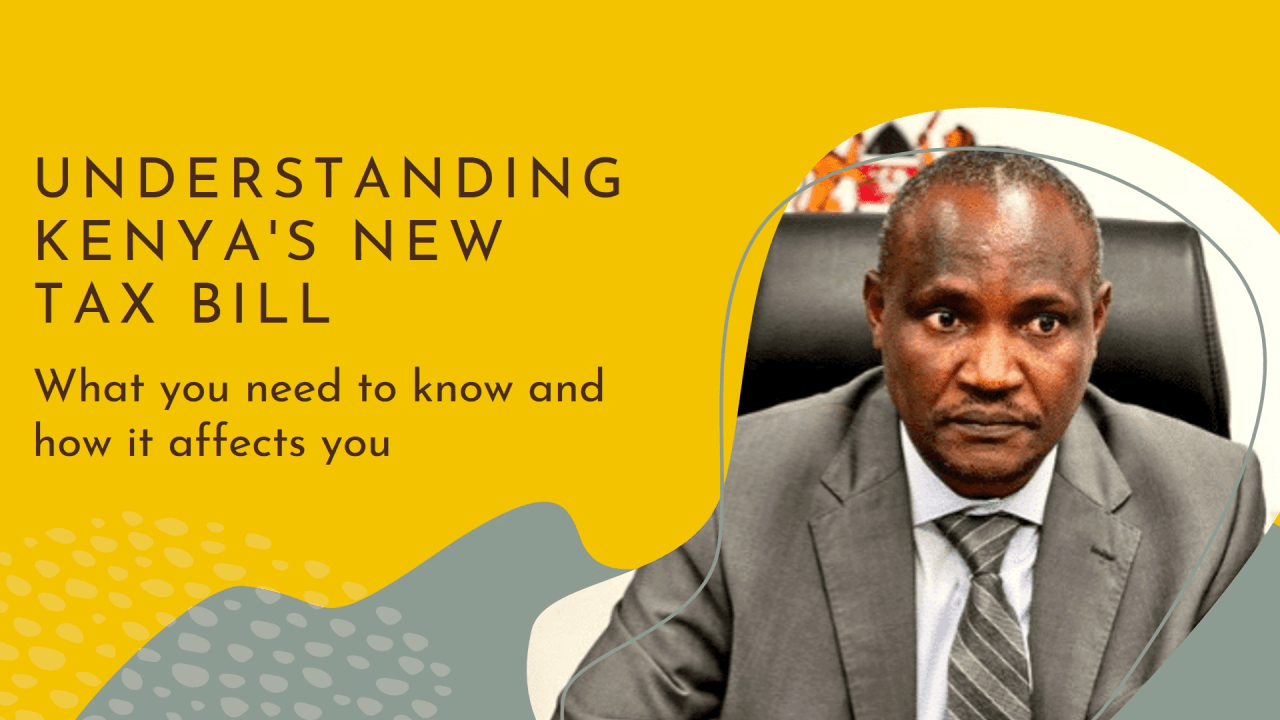
If the new PS positions bring tangible benefits, such as improved service delivery and policy implementation, then the expansion may be justified. However, if these roles turn out to be more about politics than public service, Kenyans will have every right to demand accountability. The government must be transparent about the necessity of these appointments and provide a clear plan on how they will contribute to national development without increasing the economic burden on citizens.
The creation of seven new PS positions is a significant development in Ruto’s administration. While it could enhance government functionality, the additional financial strain cannot be ignored. At a time when Kenyans are being asked to tighten their belts, the government must lead by example and ensure that every new position created is truly essential.
As this issue unfolds, one thing is clear—Kenyans will be watching closely. If the new appointments prove to be nothing more than political rewards, public trust in the government could erode further. But if they lead to real, measurable improvements in governance, then perhaps the cost will be worth it. Either way, the conversation about government expansion versus economic sustainability is far from over.






0 comments