
Your Read is on the Way
Every Story Matters
Every Story Matters
The Hydropower Boom in Africa: A Green Energy Revolution Africa is tapping into its immense hydropower potential, ushering in an era of renewable energy. With monumental projects like Ethiopia’s Grand Ethiopian Renaissance Dam (GERD) and the Inga Dams in the Democratic Republic of Congo, the continent is gearing up to address its energy demands sustainably while driving economic growth.
Northern Kenya is a region rich in resources, cultural diversity, and strategic trade potential, yet it remains underutilized in the national development agenda.

Can AI Help cure HIV AIDS in 2025

Why Ruiru is Almost Dominating Thika in 2025
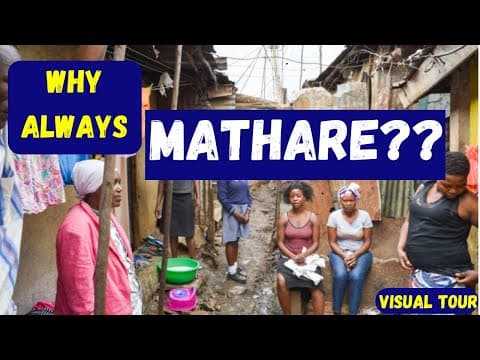
Mathare Exposed! Discover Mathare-Nairobi through an immersive ground and aerial Tour- HD

Bullet Bras Evolution || Where did Bullet Bras go to?
On Saturday, August 9, during a high-profile youth empowerment forum held at State House Nairobi, a Kenyan youth stunned the attendees, including President William Ruto, by delivering a heartfelt prayer in Shembeteng — a fast-evolving urban slang that has become a cultural phenomenon among Kenyan youths.
The event was intended to foster dialogue and support for young people’s economic empowerment, but it took an exciting and unexpected turn when this young participant seized the moment to speak in a language that resonates deeply with Nairobi’s vibrant youth culture.
Shembeteng is more than just slang; it is a linguistic innovation born from the already hybrid Sheng language, which blends Swahili, English, and local dialects. While Sheng has been widely spoken across Kenya for decades, Shembeteng takes this a step further by incorporating creative phonetic twists, syllable reversals, and inventive wordplay, effectively creating a new coded language used primarily by youths in Nairobi’s inner Eastlands estates.
What began as niche communication has now expanded rapidly, finding expression in social media, music, street conversations, and increasingly in mainstream media, signaling a cultural shift where youth identity is expressed boldly and innovatively.
The prayer came immediately after Dagoretti North MP Beatrice Elachi had offered a prayer in English, setting a solemn and respectful tone. When given the microphone, the youth confidently switched to Shembeteng, immediately capturing the attention of everyone present.
His prayer was poetic and heartfelt — thanking God for the opportunity to participate in the empowerment forum, praying for President Ruto’s successful completion of two terms, and ultimately, making a direct appeal for economic opportunities for himself and his peers.
The young man asked to be among the few youth selected to receive boda bodas — motorcycles affectionately called ‘Senke’ in youth slang — which are seen as vital tools for entrepreneurship and self-reliance. His delivery was rich with rhyme and rhythm, weaving streetwise language that brought smiles, nods, and applause from the crowd.
President William Ruto, who has consistently shown a keen interest in youth culture and innovation, responded warmly to the prayer. Known for his efforts to engage young Kenyans and promote digital and economic empowerment, Ruto nodded appreciatively and acknowledged the youth’s request.
He reassured the young man and the audience that he would ensure boda bodas would be handed over to deserving youth, reinforcing his administration’s commitment to supporting young entrepreneurs in practical and impactful ways.
The prayer and its recognition at State House symbolized the broader effort by the government to connect with and empower the youth. During the event, President Ruto personally handed over business starter kits to young people, including boda bodas, washing machines, barber sets, and salon equipment. These giveaways are part of a larger strategy to stimulate youth entrepreneurship, create jobs, and encourage self-employment among Kenya’s young population, particularly in urban areas.
This initiative is crucial given the high youth unemployment rates and the need for innovative approaches to economic inclusion. By supporting young entrepreneurs with practical tools, the government aims to foster sustainable livelihoods and reduce economic vulnerability among the youth.
The emergence of Shembeteng as a recognized mode of communication at the highest levels of government highlights the evolving cultural landscape in Kenya. It reflects a generation’s desire to carve out its own identity and communicate in ways that resonate with their experiences, challenges, and aspirations.
The slang’s reach beyond informal settings into social media, music, and now national discourse suggests a promising future for youth-led cultural innovation in Kenya.






0 comments