
Your Read is on the Way
Every Story Matters
Every Story Matters
The Hydropower Boom in Africa: A Green Energy Revolution Africa is tapping into its immense hydropower potential, ushering in an era of renewable energy. With monumental projects like Ethiopia’s Grand Ethiopian Renaissance Dam (GERD) and the Inga Dams in the Democratic Republic of Congo, the continent is gearing up to address its energy demands sustainably while driving economic growth.
Northern Kenya is a region rich in resources, cultural diversity, and strategic trade potential, yet it remains underutilized in the national development agenda.

Can AI Help cure HIV AIDS in 2025

Why Ruiru is Almost Dominating Thika in 2025

Mathare Exposed! Discover Mathare-Nairobi through an immersive ground and aerial Tour- HD

Bullet Bras Evolution || Where did Bullet Bras go to?
What began as a controversial arrest quickly spiraled into a national crisis. Albert Ojwang, a vocal blogger and respected educator, was taken into custody earlier in June after reportedly publishing critical commentary about high-ranking police officials. Within days, he was dead. Authorities claimed he succumbed to a fall or seizure during detention, but an autopsy revealed grim signs of head trauma, asphyxiation, and bruising — indications of deliberate abuse.
The death, seen by many as yet another example of unchecked state violence, quickly ignited public fury. Kenyans from all walks of life took to the streets, demanding justice and accountability, not just for Ojwang, but for numerous other victims of past police brutality.
In major cities, especially Nairobi, the response was swift and organic. Protesters, many of them young and politically aware, marched with placards, blocked roads, and chanted for justice. Social media campaigns amplified their voices, coordinating efforts and spreading awareness nationwide.
The government responded with a heavy hand. Police dispersed crowds using water cannons and tear gas. Central business districts became gridlocked with tension as security forces sought to suppress growing demonstrations. But the movement refused to be silenced. Protesters adapted, regrouped, and pressed forward with their demands.
At the heart of the outrage lies a familiar demand: accountability from the highest ranks. Protesters have called for the resignation of Deputy Inspector General Eliud Lagat, under whose oversight the arrest and alleged torture occurred. Although Lagat has since stepped aside pending investigations, critics argue that such an action is insufficient without formal resignation or prosecution.
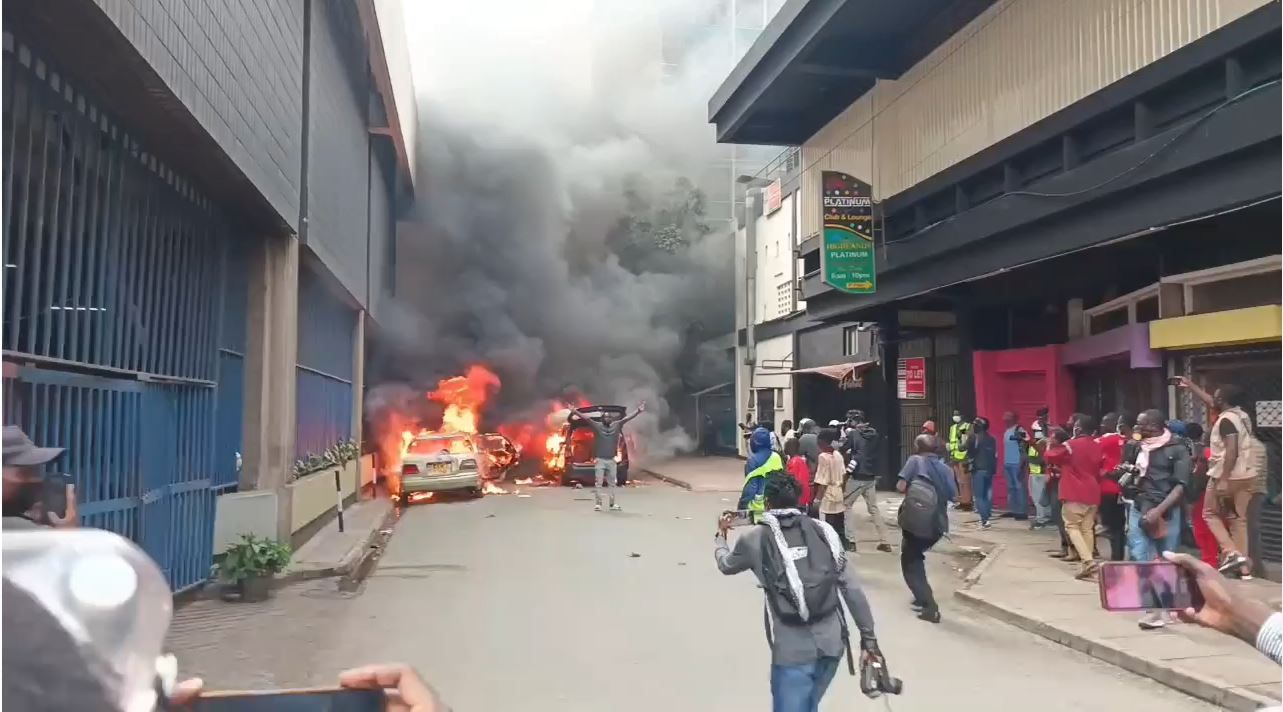
Meanwhile, several officers implicated in Ojwang’s detention have been suspended, and at least two are now facing legal action. But for many demonstrators, these moves are seen as reactive and symbolic — an attempt to quell unrest rather than confront systemic failures.
The driving force behind this wave of resistance is Kenya’s younger generation. Emboldened by last year’s successful campaign that forced the withdrawal of an unpopular finance bill, Gen Z and millennial activists are taking center stage once again.
Their demands are focused and non-negotiable: justice for Albert Ojwang, structural police reform, prosecution of those responsible, and a reckoning with the legacy of brutality that continues to plague law enforcement institutions. Their protests are not only against a single death, but a cry against the system that allows such deaths to occur.
In a poignant turn, civil rights groups and victims' families have announced a nationwide memorial march set for June 25. The event will commemorate not only Ojwang, but also the scores of young men and women who were killed during last year's finance bill protests — victims whose stories remain unresolved, and whose names are etched into the hearts of a restless generation.
The march aims to transform grief into resolve, sending a message to Kenya’s leaders: the people are watching, and silence is no longer an option.
The protests of June 17, 2025, mark a pivotal moment in Kenya’s political landscape. The death of Albert Ojwang is more than a tragedy. It is a mirror reflecting the deep fractures within state institutions and the resilience of a people who refuse to be complicit through inaction. Whether these demonstrations will lead to meaningful change or be absorbed into the cycle of outrage and forgetfulness remains to be seen.
But one thing is certain. Kenya’s youth have awakened, and their voices are only growing louder.






0 comments