
Your Read is on the Way
Every Story Matters
Every Story Matters
The Hydropower Boom in Africa: A Green Energy Revolution Africa is tapping into its immense hydropower potential, ushering in an era of renewable energy. With monumental projects like Ethiopia’s Grand Ethiopian Renaissance Dam (GERD) and the Inga Dams in the Democratic Republic of Congo, the continent is gearing up to address its energy demands sustainably while driving economic growth.
Northern Kenya is a region rich in resources, cultural diversity, and strategic trade potential, yet it remains underutilized in the national development agenda.

Can AI Help cure HIV AIDS in 2025

Why Ruiru is Almost Dominating Thika in 2025

Mathare Exposed! Discover Mathare-Nairobi through an immersive ground and aerial Tour- HD

Bullet Bras Evolution || Where did Bullet Bras go to?
Treasury Cabinet Secretary John Mbadi today stepped into the national spotlight as he presented Kenya’s Ksh.4.2 trillion budget for the 2025–2026 financial year. Speaking before Parliament in Nairobi, Mbadi outlined a spending plan that reflects the Ruto administration’s push for growth through infrastructure, service digitization, and improved revenue collection. It’s his first major act as finance minister and a clear signal that his tenure will not shy away from bold targets.
Mbadi, a seasoned politician and former Minority Leader, now serves as President William Ruto’s economic point man. His appointment was viewed as a strategic attempt to bring political balance into the finance docket, but today’s numbers show that he’s here to deliver, not just to balance optics.
To fund the ambitious Ksh.4.2 trillion budget, the Treasury has set a tax revenue target of Ksh.2.7 trillion. This figure makes up 64 percent of the planned expenditure and is the cornerstone of Mbadi’s fiscal framework. He is expected to unveil fresh revenue-raising strategies that could include tightening compliance, expanding the tax base, and increasing certain duties.
In a country where tax compliance is weak and public resistance to new levies is high, Mbadi’s task will not be easy. He has already defended giving KRA access to customer data, arguing that Kenyans cannot be trusted to pay taxes voluntarily. His rhetoric suggests a more aggressive approach to enforcement.
Besides taxes, the Treasury hopes to raise Ksh.560 billion from Appropriations-in-Aid. This includes fees charged for services across various ministries, agencies, and parastatals. It brings total expected revenue to about Ksh.3.3 trillion.
But even with these optimistic projections, Kenya still faces a shortfall of Ksh.876 billion. That gap is where borrowing comes in — and in a big way.
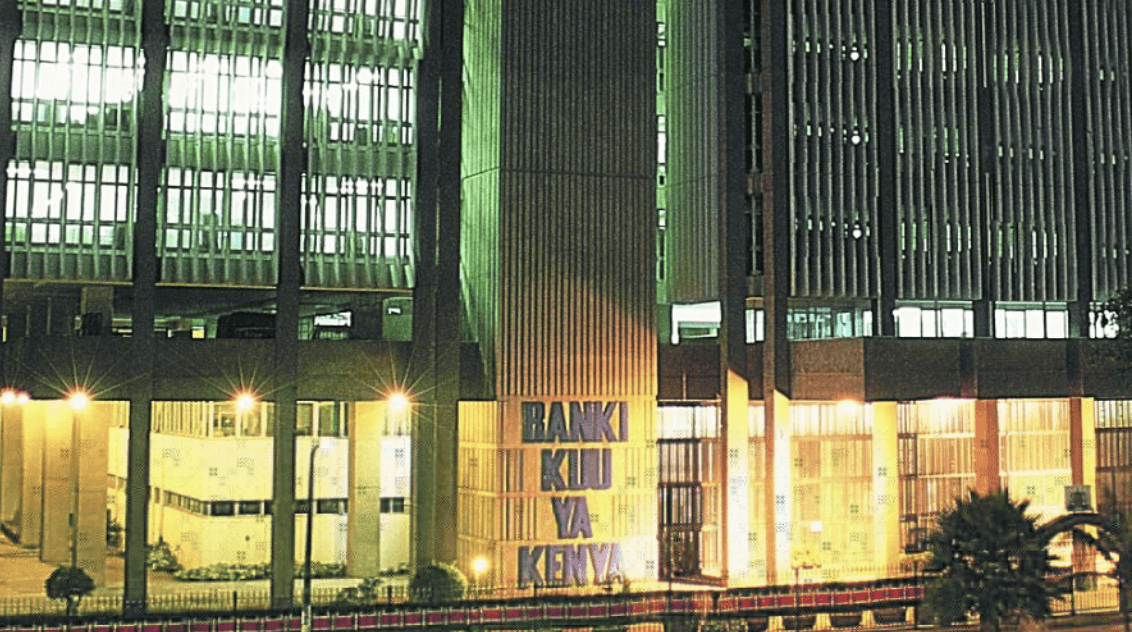
To cover the Ksh.876 billion deficit, the government plans to borrow Ksh.592 billion from the domestic market and another Ksh.284 billion from external sources. This mix leans heavily on local borrowing, which could crowd out private sector credit and strain interest rates further.
This strategy comes even as the Central Bank of Kenya has cut the base lending rate six times in a bid to make credit cheaper and more accessible. Whether that easing will survive under the weight of Treasury’s borrowing plan remains to be seen.
This is more than just a budget. It’s Mbadi’s proving ground. As the first finance minister appointed by Ruto from outside his political core, he carries both expectation and risk. His performance will define how far the Kenya Kwanza coalition can push its economic agenda while still maintaining public support.
Mbadi’s challenge is balancing austerity with ambition. He must convince both investors and ordinary citizens that this budget is realistic and impactful. That includes managing debt, ensuring transparency, and delivering visible results.
More taxes, tighter compliance, and likely price increases in fuel, imports, and other essentials. Importers are already grappling with increased car duty fees, and the squeeze could extend further into other sectors. With KRA on a data-driven mission to catch evaders, even average earners may feel the heat.
Despite the pressure, there is also hope. If executed well, this budget could expand infrastructure, strengthen public services, and stimulate job creation. But that hinges on how efficiently the Treasury implements its plan — and how honestly it accounts for every shilling.






0 comments