
Your Read is on the Way
Every Story Matters
Every Story Matters
The Hydropower Boom in Africa: A Green Energy Revolution Africa is tapping into its immense hydropower potential, ushering in an era of renewable energy. With monumental projects like Ethiopia’s Grand Ethiopian Renaissance Dam (GERD) and the Inga Dams in the Democratic Republic of Congo, the continent is gearing up to address its energy demands sustainably while driving economic growth.
Northern Kenya is a region rich in resources, cultural diversity, and strategic trade potential, yet it remains underutilized in the national development agenda.

Can AI Help cure HIV AIDS in 2025

Why Ruiru is Almost Dominating Thika in 2025

Mathare Exposed! Discover Mathare-Nairobi through an immersive ground and aerial Tour- HD

Bullet Bras Evolution || Where did Bullet Bras go to?
Police brutality in Kenya is not a new phenomenon. It is deeply rooted in systemic failures — poor training, lack of accountability, and political interference have all contributed to a culture of impunity within the police service. Protesters, youth, informal workers, and journalists are often the primary victims. The unchecked use of live ammunition, arbitrary arrests, and targeted violence reflect an institution in need of urgent and aggressive reform.
For Kenya to move forward, it must treat police brutality not just as a security issue but as a national human rights emergency. Real solutions require structural, legal, and cultural change — all at once.
The starting point is to clean up the force from the inside. Recruitment must be based on merit and ethics, not political patronage or tribal affiliations. Training programs should emphasize emotional intelligence, human rights, and crisis management. Officers who commit acts of violence must be expelled from the service and prosecuted.
Internal oversight mechanisms, such as the Internal Affairs Unit, must be empowered to act without fear or influence. This means better staffing, more funding, and legal protection from retaliation. No officer should be above scrutiny simply because of rank or political connections.
The Independent Policing Oversight Authority (IPOA) was created to hold police accountable — but its power has been limited by budget constraints and political resistance. To be effective, IPOA must be given full independence, prosecutorial authority, and unrestricted access to investigate abuses.
There should be a national civilian complaints portal, available in multiple languages, that allows victims to report misconduct without fear. Community-based watchdog groups must also be legalized, resourced, and allowed to monitor law enforcement in real-time.
Every officer on patrol — especially those involved in crowd control or protests — should wear a functioning body camera. These devices deter abuse and provide critical evidence in case of disputes. Similarly, patrol cars should be equipped with dashcams.
Footage must be automatically uploaded to secure servers and remain tamper-proof. Strict data access policies must be enforced to prevent manipulation. A centralized unit should be established to review recordings in real time and identify patterns of abuse.
Kenya needs specific laws that define police brutality and establish harsh penalties for violations. Excessive use of force, torture, arbitrary detention, and extrajudicial killings must carry criminal consequences. Trials should be public, and guilty officers should serve prison time.
The legal reforms must also guarantee victims access to justice. Compensation mechanisms must be funded and fast-tracked, with a focus on rehabilitation, counseling, and community healing. Ending brutality requires making it legally risky for perpetrators and legally empowering for survivors.
Policing is high-stress work — and stress often leads to aggression. Officers should undergo psychological evaluations before deployment, especially in crowd control and protest assignments. Mental health support must be part of their professional care.
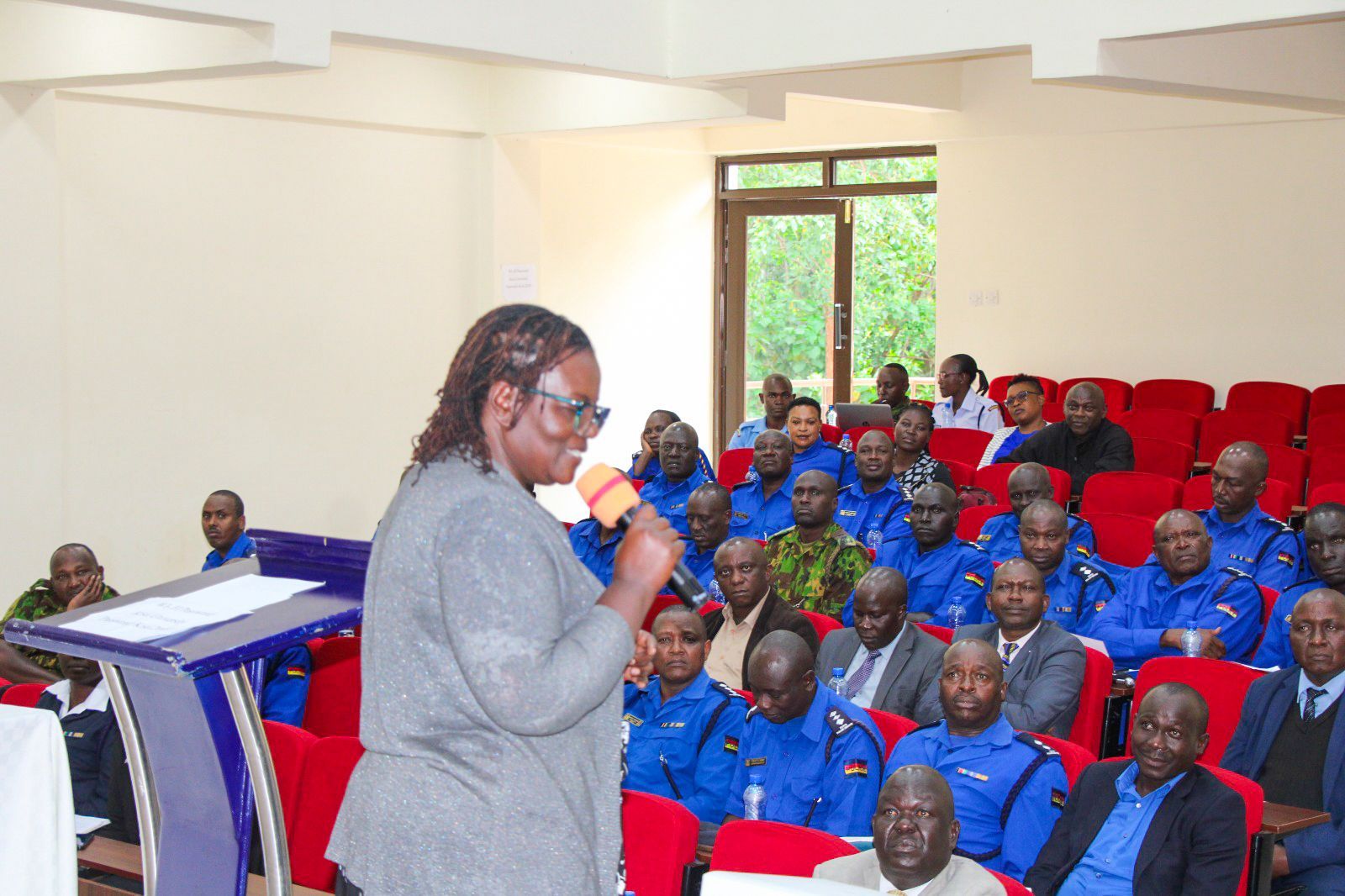
In addition, training must not end at the police academy. Officers need ongoing education in human rights, public relations, conflict resolution, and de-escalation techniques. Those who fail retraining programs should be demoted or removed from active duty.
Trust between police and the public must be rebuilt. This can only happen through structured community policing. Officers should be assigned to the areas they serve long-term and encouraged to work with local leaders, youth groups, and civil society.
Regular community forums should be organized where the public can raise concerns and propose safety solutions. The goal is to change the role of the police — from feared enforcers to trusted public servants.
Police must be ordered to prioritize non-lethal means of crowd control. Rubber bullets, tear gas, stun guns, and water cannons should always precede the use of live ammunition. When live rounds are used, every shot must be documented, justified, and investigated.
Clear operational rules must be set and followed. Officers who shoot without command or fail to follow de-escalation protocols should be suspended immediately pending investigation.
Transparency is the enemy of impunity. Kenya must create a national database that logs every case of police misconduct — including the names of officers involved, the nature of the abuse, and the outcome of investigations. This data should be updated regularly and made available to the public.
A national map of police violence hotspots would help policymakers target reforms where they are needed most. Journalists, researchers, and civil rights groups should be allowed to access this data freely and without restrictions.
Police brutality is not accidental — it is enabled by weak systems and tolerated by silence. Kenya cannot claim to be a modern democracy while its police continue to kill, maim, and terrorize citizens with little consequence.
The solutions exist. What is lacking is the political will to enforce them. Civil society, the judiciary, and Parliament must work together to demand urgent reforms. Until the police are brought under full civilian control, and until every abuse is punished, the violence will continue.






0 comments