
Your Read is on the Way
Every Story Matters
Every Story Matters
The Hydropower Boom in Africa: A Green Energy Revolution Africa is tapping into its immense hydropower potential, ushering in an era of renewable energy. With monumental projects like Ethiopia’s Grand Ethiopian Renaissance Dam (GERD) and the Inga Dams in the Democratic Republic of Congo, the continent is gearing up to address its energy demands sustainably while driving economic growth.
Northern Kenya is a region rich in resources, cultural diversity, and strategic trade potential, yet it remains underutilized in the national development agenda.

Can AI Help cure HIV AIDS in 2025

Why Ruiru is Almost Dominating Thika in 2025

Mathare Exposed! Discover Mathare-Nairobi through an immersive ground and aerial Tour- HD

Bullet Bras Evolution || Where did Bullet Bras go to?
George Natembeya, the Governor of Trans Nzoia County, has been embroiled in serious corruption allegations that have led to significant legal actions against him. Investigations by the Ethics and Anti-Corruption Commission (EACC) allege that Natembeya was involved in unlawful acquisition of public property and conflict of interest related to kickbacks totaling over 3.2 million Kenyan shillings. These accusations form the foundation of a case that has prompted courts to impose restrictions to preserve the integrity of the ongoing investigations.
In response to the severity of the allegations and concerns about possible interference with the investigative process, the court issued orders barring Governor Natembeya from accessing all county government offices.
Initially, the restriction was limited to the county headquarters, but it was extended after evidence showed attempts to circumvent these orders by relocating official duties to sub-county offices. The court’s decision aims to prevent any obstruction of justice and maintain the impartiality of the inquiry.
Following his arraignment on multiple charges, Natembeya was granted bail with strict conditions. Among these conditions were prohibitions against entering any government offices related to his official duties and restrictions on making public statements regarding the case.
The prosecution opposed his release on bail, citing concerns over potential witness tampering and the risk of destroying or tampering with evidence. These measures reflect the judiciary’s commitment to ensuring that the legal process proceeds without undue influence.
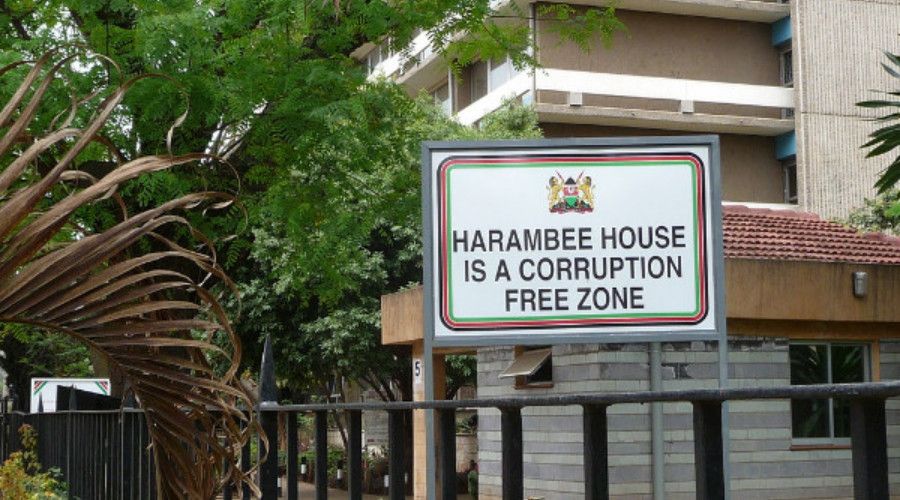
The legal actions against Governor Natembeya have intensified political tensions within Trans Nzoia County and beyond. Supporters of the governor argue that the charges and restrictions are politically motivated attempts to undermine his leadership.
On the other hand, critics emphasize the necessity of enforcing accountability and transparency, particularly for public officials accused of corruption. This case has sparked a broader debate about governance, ethics, and the fight against corruption in Kenya.
The Ethics and Anti-Corruption Commission continues to gather evidence to build a strong case against Natembeya. The outcome of these proceedings could have far-reaching consequences for governance standards and anti-corruption efforts in Kenya. It underscores the judiciary’s role in upholding the rule of law and the commitment to holding public officials accountable for misuse of office.
As the legal process unfolds, the case against Governor Natembeya serves as a critical test for Kenya’s anti-corruption framework and the broader commitment to transparent governance.
How the judiciary and oversight bodies handle this matter will send a strong message about the country’s resolve to confront corruption at all levels. For citizens and public officials alike, it highlights the importance of ethical leadership and the rule of law as pillars of a functioning democracy.






0 comments