
Your Read is on the Way
Every Story Matters
Every Story Matters
The Hydropower Boom in Africa: A Green Energy Revolution Africa is tapping into its immense hydropower potential, ushering in an era of renewable energy. With monumental projects like Ethiopia’s Grand Ethiopian Renaissance Dam (GERD) and the Inga Dams in the Democratic Republic of Congo, the continent is gearing up to address its energy demands sustainably while driving economic growth.
Northern Kenya is a region rich in resources, cultural diversity, and strategic trade potential, yet it remains underutilized in the national development agenda.

Can AI Help cure HIV AIDS in 2025

Why Ruiru is Almost Dominating Thika in 2025

Mathare Exposed! Discover Mathare-Nairobi through an immersive ground and aerial Tour- HD

Bullet Bras Evolution || Where did Bullet Bras go to?
Kenyans are eating their way into a public health emergency—and the government is finally sounding the alarm. The Ministry of Health has flagged a growing concern: a dangerous rise in the consumption of ultra-processed, nutrient-poor foods, especially among urban households. With over 90% of packaged food products failing to meet basic nutritional standards, the warning lights are blinking red.
The revelation came through the 2025 Kenya Market Assessment Report, which painted a bleak picture of the nation’s eating habits. The report found that only 10% of packaged food products in the market meet the criteria set by the Kenya Nutrient Profile Model. Worse still, the Access to Nutrition Initiative (ATNI) confirmed that most of the food being sold in supermarkets is alarmingly high in fat, salt, and sugar.
What was once an occasional indulgence has now become the norm. From carbonated drinks and instant noodles to sweetened dairy products and flavored snacks, processed food has become a staple in many households. This shift is especially prominent in urban areas, where time-strapped lifestyles and convenience-driven shopping have eclipsed traditional, wholesome meals.
But this convenience comes at a steep cost. Health officials now warn that these dietary habits are fueling a silent surge in non-communicable diseases (NCDs) such as diabetes, hypertension, obesity, and heart disease. The Ministry of Health is bracing for a medical time bomb—one that could strain Kenya’s health system for decades.
The ATNI audit broke down some damning numbers. Out of thousands of packaged food products assessed—including cereals, biscuits, juices, pasta, sauces, and confectionery—only 32.2% met the criteria to be classified as “healthy.” Yet, many of these products are promoted using misleading marketing that implies health benefits, often through vibrant packaging and buzzwords that hide more than they reveal.
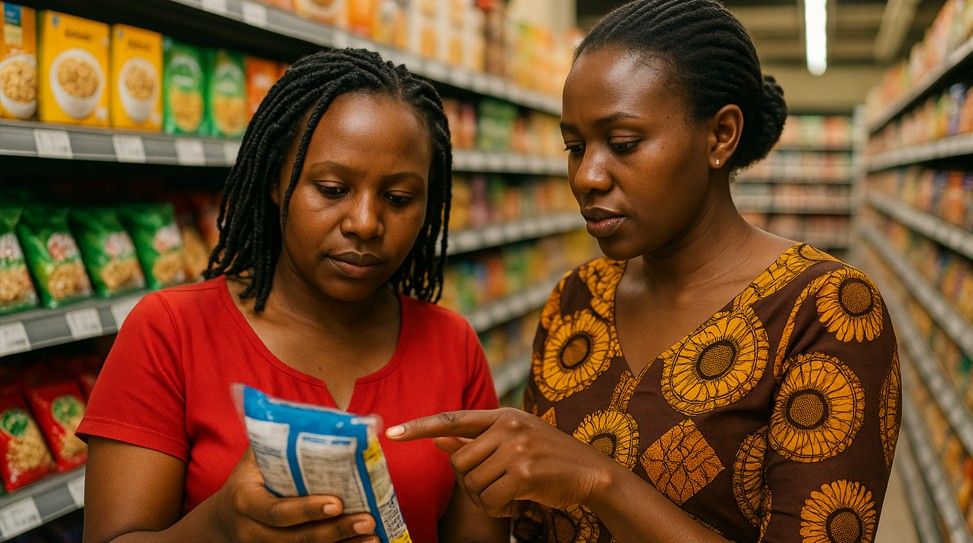
Principal Secretary for Public Health and Professional Standards, Mary Muthoni, pointed out that many food products use front-of-pack branding techniques that gloss over the unhealthy truth. “Attractive graphics and labeling are being used to push foods high in sugar and salt,” she said. “We want consumers to know what they’re eating—transparently and truthfully.”
In response, the Ministry of Health is rolling out new regulations that will target 21 categories of processed foods, including dairy products, cereals, snacks, and beverages. These rules will place specific limits on fat, sugar, and sodium content within each food category. The goal is to align processed food options with a scientifically informed nutrient profile that prioritizes public health.
The ministry will also introduce stricter packaging rules. No longer will brands be allowed to decorate their products with attractive branding without disclosing nutritional red flags. Front-of-pack labeling will become mandatory, clearly flagging whether a product meets health standards. This shift aims to empower consumers to make informed choices, not be misled by corporate marketing gimmicks.
This isn’t just about government policing; it's about returning agency to everyday Kenyans. The Ministry of Health is placing a strong emphasis on transparency and education. By improving front-of-pack labeling and tightening oversight on what enters supermarket shelves, the ministry hopes to arm citizens with information they can actually use.
As urbanization accelerates and processed foods continue to dominate diets, the Health Ministry is taking a proactive stance. But the success of this campaign will rely heavily on compliance from food producers, enforcement by regulators, and vigilance by consumers.
Kenya now stands at a dietary crossroads. The path forward is clear—but it will require political will, public cooperation, and a national rethink of what it means to eat well.






0 comments