
Your Read is on the Way
Every Story Matters
Every Story Matters
The Hydropower Boom in Africa: A Green Energy Revolution Africa is tapping into its immense hydropower potential, ushering in an era of renewable energy. With monumental projects like Ethiopia’s Grand Ethiopian Renaissance Dam (GERD) and the Inga Dams in the Democratic Republic of Congo, the continent is gearing up to address its energy demands sustainably while driving economic growth.
Northern Kenya is a region rich in resources, cultural diversity, and strategic trade potential, yet it remains underutilized in the national development agenda.

Can AI Help cure HIV AIDS in 2025

Why Ruiru is Almost Dominating Thika in 2025

Mathare Exposed! Discover Mathare-Nairobi through an immersive ground and aerial Tour- HD

Bullet Bras Evolution || Where did Bullet Bras go to?
Fourteen years after the world bid farewell to Wangari Maathai, the indomitable force behind Africa’s most influential environmental movement, Kenya stands at a dangerous tipping point. Once a beacon of sustainable activism, the country now faces a ruthless deforestation crisis tearing through its critical ecosystems. The water towers that nourish millions, the Mau Forest, Aberdare Range, and Karura, are being stripped bare. Nairobi’s green spaces are disappearing beneath unchecked urbanization and sprawling concrete jungles.
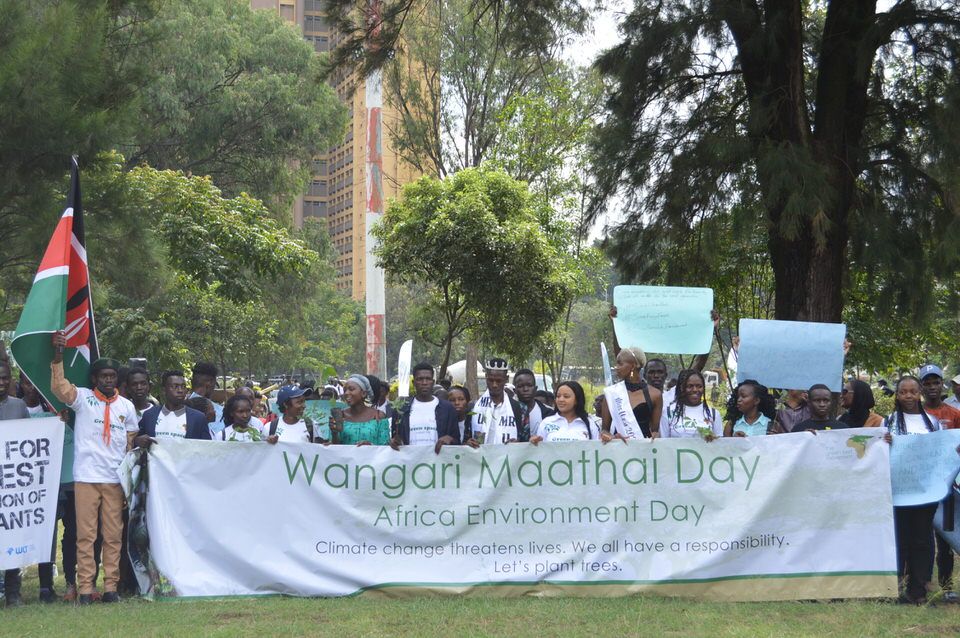
As environmentalists gathered this year to commemorate Wangari Maathai Day, the mood was sobering. Instead of reflecting on progress, they confronted the sobering reality that the very vision Maathai fought for, a green, peaceful, and just Kenya, is being dismantled by the same forces she once challenged: greed, complacency, and government neglect.
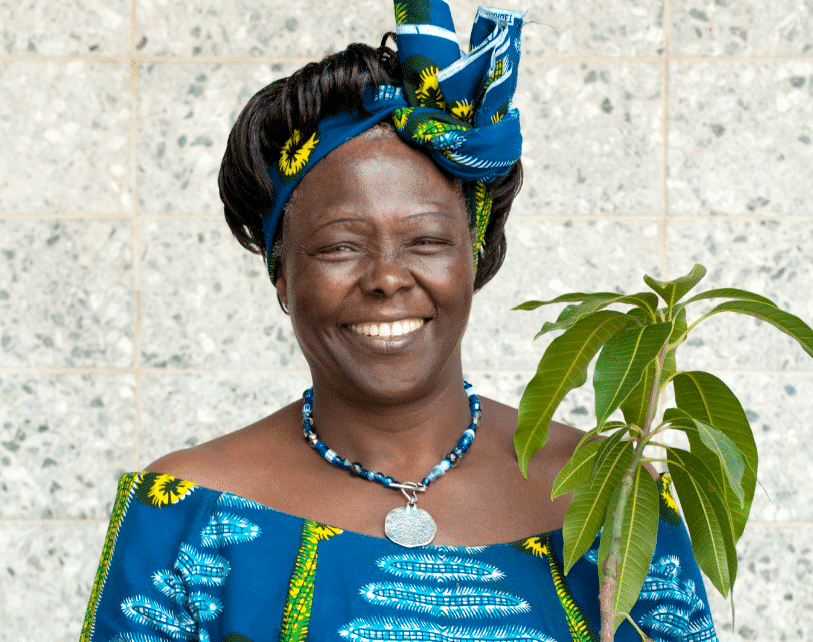
Wangari Maathai revolutionized environmental action in Africa by connecting ecological restoration with community empowerment. In 1977, she founded the Green Belt Movement, a grassroots initiative that mobilized women to plant trees across Kenya. Over the decades, these women, armed with little more than seeds and determination, restored degraded lands, reclaimed water sources, and created a living symbol of resistance.
To Maathai, planting a tree was never just an environmental act. It was an act of defiance, a blow against poverty, corruption, and inequality. She believed that by restoring the land, people could restore their dignity, their health, and their democracy. Her work saved millions of trees, but more importantly, it grew hope where there had been despair.
Wangari Maathai’s accomplishments extend far beyond forests. Her relentless dedication reshaped how the world views environmental justice and women's roles in leadership. Some of her most profound contributions include:
• Winning the Nobel Peace Prize in 2004, becoming the first African woman to achieve this honor for her unwavering commitment to sustainable development, democracy, and peace.
• Empowering over 900,000 women through the Green Belt Movement, giving them economic opportunities and a voice in local governance.
• Protecting public land, as seen in her historic defense of Nairobi’s Uhuru Park from illegal development.
• Inspiring a global movement, as her tree-planting model has been replicated in dozens of countries worldwide.
The Founding of the Green Belt Movement (1977)
Amid Kenya’s growing environmental degradation, Maathai took the radical step of involving ordinary women in reforestation efforts. This wasn’t just a program, it became a movement that gave women power, income, and purpose.
The Battle for Uhuru Park (1989)
When the government planned to erect a 60-story skyscraper on Nairobi’s beloved public park, Maathai led protests, wrote letters, and faced arrest. Her activism saved the park and became a symbol of the people’s right to public spaces.
The Nobel Peace Prize (2004)
Recognized internationally for linking peace with environmental sustainability, Maathai’s Nobel Prize cemented her as one of the most important figures of her time, inspiring millions to protect the planet and each other.
The Wangari Maathai Foundation exists to keep her spirit alive. Its vision is simple but powerful: to cultivate a culture of courageous leadership and environmental responsibility in Africa. The foundation believes that nurturing young leaders is the key to ensuring Maathai’s dream of a green and peaceful continent thrives for generations.
By offering mentorship programs, educational resources, and advocacy platforms, the foundation continues to push for a world where environmental protection and social justice are inseparable goals. Their ultimate mission is to build a future where people and nature coexist in harmony, a future Maathai herself spent her life trying to secure.
Wangari Maathai’s path was never smooth. She faced brutal opposition from those who saw her environmental activism as a threat to their power. Among her challenges were:
• State violence. Maathai endured beatings, tear gas, and arrests for standing up to authorities.
• Gender discrimination. In a deeply patriarchal society, she was ridiculed and demeaned for stepping into male-dominated political spaces.
• Cultural backlash. Detractors accused her of being un-African for adopting Western ideologies, though her work was deeply rooted in indigenous knowledge.
Despite these hurdles, Maathai stood tall. She famously said:
“Until you dig a hole, you plant a tree, you water it and make it survive, you haven’t done a thing. You are just talking.”
Maathai’s battles with the Kenyan government became legendary. She exposed the rampant corruption behind illegal land deals and demanded accountability from those entrusted to protect public resources. The very people who should have safeguarded Kenya’s forests often profited from their destruction.
But Maathai never backed down. Whether facing presidents or police batons, she maintained that environmental protection was not just about trees, it was about democracy. By defending the land, she was defending the people’s right to a healthy, sustainable future.
Wangari Maathai didn’t just change Kenya, she changed the entire global conversation on what it means to protect the planet.
• She united social justice with environmentalism, proving that you can’t have one without the other.
• She inspired grassroots movements worldwide, showing ordinary people that they hold extraordinary power.
• She created economic pathways for women, linking environmental work with poverty alleviation.
• She demonstrated that environmental defense is political, and that silence in the face of destruction is complicity.
While Maathai’s voice may no longer fill the air, her warnings linger louder than ever. Deforestation rages on. Politicians deliver speeches about sustainability but approve projects that clear forests. Nairobi’s green spaces are falling under steel and cement. Rural communities watch helplessly as their water sources dry up due to forest destruction.
Environmentalists are now calling on every Kenyan to act, not out of nostalgia for Maathai, but out of urgency for survival. The Green Belt Movement and the Conservation Alliance of Kenya have launched nationwide campaigns, urging citizens to plant trees, defend public land, and hold leaders accountable.
“There comes a time when humanity must shift to a new level of consciousness.”
That time is now. If Kenyans fail to rise, Maathai’s dream dies. But if they fight as she did, one tree, one protest, one voice at a time, they can save the land she loved and secure a future where her soul can finally rest in peace.






0 comments