
Your Read is on the Way
Every Story Matters
Every Story Matters
The Hydropower Boom in Africa: A Green Energy Revolution Africa is tapping into its immense hydropower potential, ushering in an era of renewable energy. With monumental projects like Ethiopia’s Grand Ethiopian Renaissance Dam (GERD) and the Inga Dams in the Democratic Republic of Congo, the continent is gearing up to address its energy demands sustainably while driving economic growth.
Northern Kenya is a region rich in resources, cultural diversity, and strategic trade potential, yet it remains underutilized in the national development agenda.

Can AI Help cure HIV AIDS in 2025

Why Ruiru is Almost Dominating Thika in 2025

Mathare Exposed! Discover Mathare-Nairobi through an immersive ground and aerial Tour- HD

Bullet Bras Evolution || Where did Bullet Bras go to?
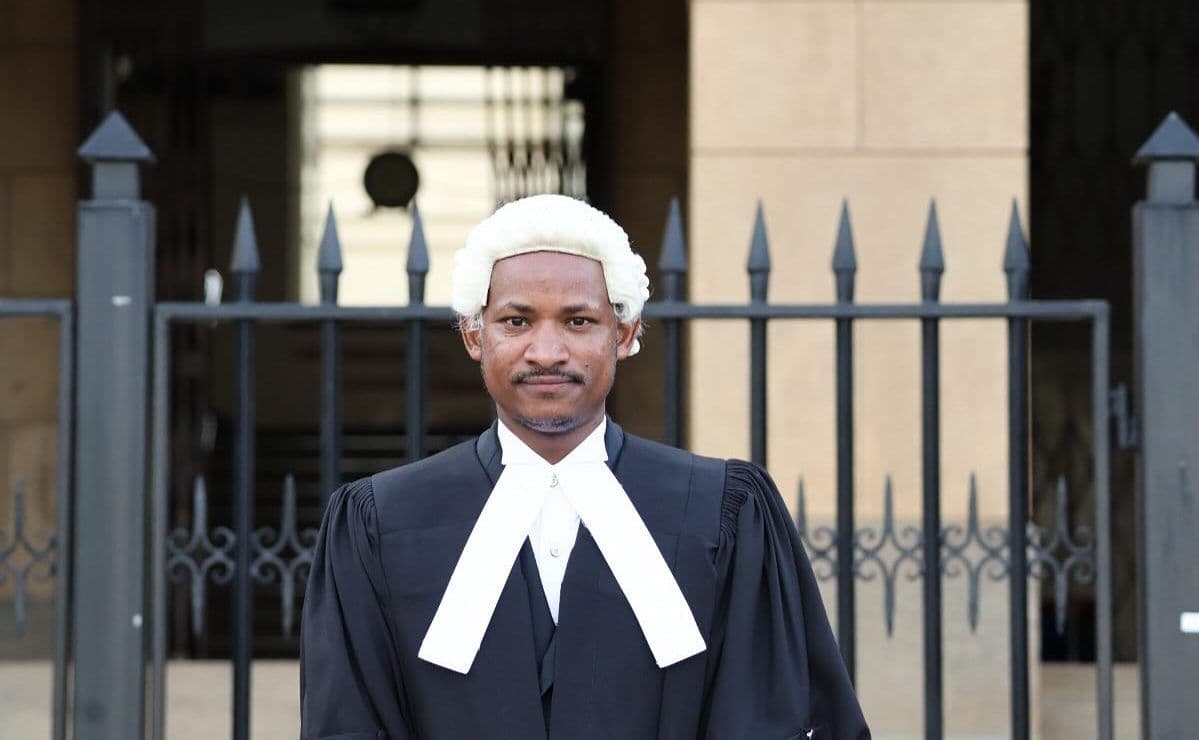
On the day Dr. Babu Owino took his oath to become an Advocate of the High Court of Kenya, the headlines were already buzzing with speculation. Many expected the Embakasi East MP to use the moment for publicity or political grandstanding. Instead, what unfolded was a bold and deeply symbolic act that cut across political and legal boundaries. Owino wasted no time donning the robes of a legal warrior; he headed straight to Nairobi West Prison and took action in the most direct way possible—facilitating the release of over 200 inmates incarcerated for petty offenses.
This was no ordinary legal gesture. It was the deliberate use of freshly gained legal authority to challenge a system that has long marginalized the poor and voiceless. Owino, a man who rose from humble beginnings himself, chose to start his legal journey not in courtrooms or boardrooms, but at the heart of Kenya’s injustice: the prison system.
The inmates Babu Owino helped walk free were not murderers, robbers, or hardened criminals. They were ordinary Kenyans, many of whom had committed minor infractions such as traffic violations, loitering, public intoxication, or the use of illicit brews. What bound them together was not the severity of their crimes, but their economic reality. These were individuals who lacked the money to pay fines or secure bail.
Their incarceration was not about justice—it was about poverty. In a justice system where a small fine can mean months behind bars, Owino saw an opportunity to intervene with more than words. He offered legal representation and financial assistance, cutting through bureaucratic red tape to restore freedom to men and women who had been left to rot for no good reason. In many cases, these prisoners were simply forgotten, their families unable to help, their voices unheard. Owino became that voice, bringing a form of justice that was swift, empathetic, and desperately needed.
For Babu Owino, the law is not merely a career milestone; it is a new arsenal in his long-standing war against inequality. His journey through student activism, academia, and Parliament has always been marked by a confrontational but purposeful style. With his legal qualifications, Owino now has a legitimate platform to take the fight for justice to an even deeper level. His move to become an advocate of the High Court is not about status or prestige.

It is about sharpening his political tools and expanding his influence in spaces where policy alone has often failed. On that day at Nairobi West Prison, Owino made it clear that his interpretation of law is not limited to courtrooms or legal opinions—it is about real-world impact. For him, the law must serve the people, particularly those too often crushed under its weight. It must be a weapon of liberation, not oppression. His first legal action, therefore, was not just symbolic; it was a declaration of how he intends to wield this new power.
Dr. Babu Owino’s admission to the Bar was not just a personal victory; it was a carefully timed political move, one that adds depth to his already influential public image. While many Kenyan politicians rest on legislative power alone, Owino has now merged that authority with legal expertise, giving him a rare dual perspective in the corridors of justice and governance. The decision to immediately apply that power toward helping marginalized citizens underlines a political strategy grounded in visibility, effectiveness, and empathy.
He understands optics—but more importantly, he understands that real impact is felt through action. By choosing to begin his legal career with a humanitarian gesture, Owino not only uplifted the lives of over 200 people but also drew a stark contrast with the political elite often accused of being out of touch. This act wasn’t about a photo-op; it was a direct, tactile intervention into the daily struggles of ordinary people, and it resonated far beyond the walls of the prison.
In a nation where laws are often seen as instruments of control rather than care, Dr. Babu Owino offered a glimpse into what justice might look like when human dignity takes priority. He showed that being a lawyer is not just about legal arguments or courtroom drama—it’s about making a difference where it counts.
His decision to help those who had been imprisoned due to financial incapacity wasn't just an act of charity—it was a structural critique of a system that criminalizes poverty. His intervention gave these individuals a second chance, yes, but it also gave society a model of what socially responsible legal practice can look like. This was justice with a face and a name, not an abstract principle.
It was the kind of moment that restores public faith, not just in the law, but in leadership itself. By showing up in person, offering both representation and payment, Owino didn’t just speak for the people—he stood with them.





0 comments