
Your Read is on the Way
Every Story Matters
Every Story Matters
The Hydropower Boom in Africa: A Green Energy Revolution Africa is tapping into its immense hydropower potential, ushering in an era of renewable energy. With monumental projects like Ethiopia’s Grand Ethiopian Renaissance Dam (GERD) and the Inga Dams in the Democratic Republic of Congo, the continent is gearing up to address its energy demands sustainably while driving economic growth.
Northern Kenya is a region rich in resources, cultural diversity, and strategic trade potential, yet it remains underutilized in the national development agenda.

Can AI Help cure HIV AIDS in 2025

Why Ruiru is Almost Dominating Thika in 2025

Mathare Exposed! Discover Mathare-Nairobi through an immersive ground and aerial Tour- HD

Bullet Bras Evolution || Where did Bullet Bras go to?
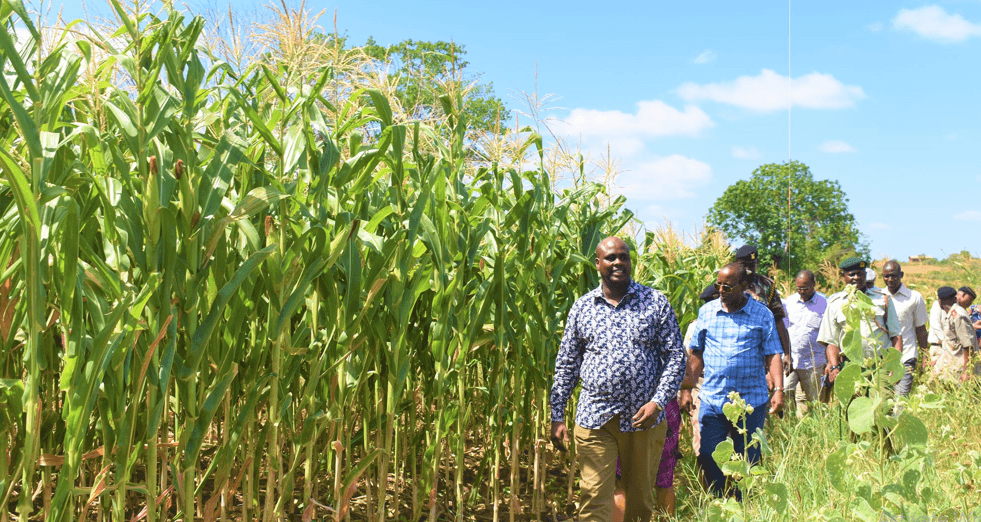
In a daring shift that’s bound to rattle trade partners and stir debate at home, Kenya has announced a sweeping decision: starting in 2025, the country will halt all maize and sugar imports. This isn’t just a policy tweak—it’s a radical departure from decades of dependency, a high-stakes gamble that aims to transform the nation’s agricultural future.
At the heart of this decision lies a national imperative: food self-sufficiency. Years of importing maize and sugar to fill local deficits have drained Kenya’s foreign reserves and exposed it to price shocks on global markets. From erratic rains to disrupted supply chains, the vulnerabilities of relying on international markets have become glaringly evident—especially during the COVID-era and global inflation spikes.
The government’s pivot stems from years of groundwork. A mix of public investments and private partnerships has been nurturing a new agricultural backbone. Modern irrigation systems, climate-resilient seed varieties, subsidized fertilizer programs, and mechanized farming initiatives have all begun reshaping the local farming landscape.
In counties like Uasin Gishu and Trans Nzoia—Kenya’s breadbaskets—farmers are reporting better yields. Meanwhile, coastal and western regions, previously sidelined in sugar production, have seen renewed vigor thanks to revitalized factories and new cooperatives.
It’s not just about growing more. It’s about producing smarter, wasting less, and processing more locally. The Ministry of Agriculture is also launching capacity-building programs aimed at educating farmers on post-harvest handling, crop diversification, and sustainable practices.
Kenya’s announcement doesn’t come without controversy. Critics fear domestic production isn’t quite ready to meet national demand. The memories of past shortages—when shelves went bare and prices soared—are still fresh in many Kenyans’ minds. There’s also concern over market distortions: will prices stay fair if the country turns inward?
But the government is banking on a different outcome. By protecting local producers from cheap imports, it hopes to stimulate domestic enterprise, create jobs, and increase food security. The strategy is also expected to wean the country off import-driven inflation, which has historically driven up the cost of staple goods.
The decision also has geopolitical implications. Regional trade ties will be tested, especially with countries like Uganda and Zambia who have long supplied maize and sugar to Kenya. Yet Nairobi remains resolute—it would rather irritate its neighbors than sacrifice its path to self-reliance.
Looking ahead, Kenya is gearing up for a nationwide audit of its food systems. The goal? Identify gaps, forecast future needs, and ensure policy aligns with actual capacity. A domestic stockpile system is also in the works, intended to act as a buffer during lean seasons.
In tandem, investments in agro-processing are expected to grow, with new sugar refineries and grain mills set to open near production zones. This decentralization not only shortens supply chains but also reduces post-harvest losses.
At the policy level, incentives for agritech startups and precision farming solutions are being rolled out. The hope is to not just meet demand—but to leapfrog into a future where Kenya can export surplus and serve as a regional agricultural hub.






0 comments